Homeopathy is used only as supportive care in cancer treatment and does not replace standard oncology treatment Though it plays a role, it does so only when used beside regular medical care, never taking its place. What matters most is knowing this path adds support – nothing more, nothing less – especially when guided by trained professionals.
Understanding Lung Cancer
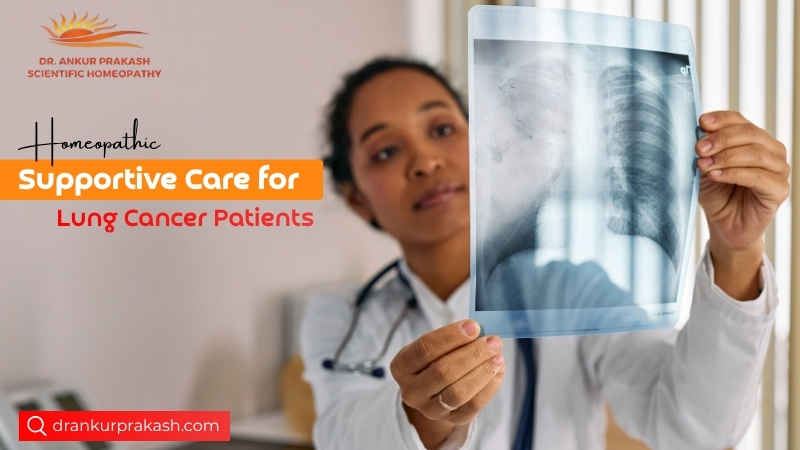
Out of nowhere, damaged cells in the lungs start multiplying too fast. When that happens, they might block regular breathing duties – unless someone steps in early. Tumors take shape as these odd cells pile up. Without steady care, they travel beyond the lungs, causing more harm along the way.
Common symptoms include
Persistent cough that does not go away
Chest pain or discomfort
Shortness of breath
Fatigue and weakness
Unexplained weight loss
Blood might appear when coughing, if the condition has progressed far enough
Heavy breathing isn’t the only burden. Feelings like dread, sadness, or constant worry often follow diagnosis. Because of this weight, helping patients cope emotionally has grown central to treatment plans today.
Supportive Care in Cancer?
Most days, comfort matters just as much as medicine when facing illness. Instead of attacking tumors, some therapies ease the weight of symptoms. These methods help people handle nausea, pain, or fatigue from treatments like chemo. Emotions often run high – support can soften anxiety or sadness too. Relief comes in many forms beyond pills or scans. Living better sits at the center, even when curing isn’t the goal.
Also Read:
How Air Pollution Causes Lung Cancer?
For people dealing with lung cancer, help might mean handling discomfort, getting food advice, talking through emotions, or trying options like homeopathic methods. Sometimes relief comes not just from medicine but from eating right, staying emotionally steady, even exploring less common paths. Care stretches beyond treatment alone – comfort matters too, whether through listening, adjusting meals, or gentle alternatives alongside standard approaches.
Just one thing matters
Some days bring extra strength, others a sense of calm. Comfort grows slowly, woven through small moments. Emotional balance appears when least expected, often in quiet talks or familiar routines. The journey reshapes how feelings move, not just where they land.
Homeopathy in cancer support care
A person’s unique symptoms guide how homeopathy works. Instead of targeting illness alone it looks at body mind and life together. During cancer support some choose a practitioner trained specifically here their aim sits with comfort not claims of fixing the sickness.
Homeopathy may be used to support:
General weakness and fatigue
Loss of appetite
Anxiety and emotional distress
Sleep disturbances
Side effects of chemotherapy or radiation
Each person gets looked at closely by someone who knows the practice well. Physical signs come into view first, then feelings start to show their role. Life habits follow close behind in importance. The full past of health matters is never skipped. Out of all this, a way to help takes shape slowly.
Supportive care options for lung cancer using homeopathy
Comfort each day might get easier when homeopathy steps alongside standard cancer treatment. Alongside doctors’ plans, it tries to support how the body handles therapy’s effects. Some find a calmer rhythm while going through medical routines. Help comes without replacing what medicine already offers. Instead of standing apart, this path walks next to hospital protocols. Even small shifts in wellbeing matter during tough phases.
1. Managing Physical Weakness
Fatigue creeps in fast when cancer takes hold, treatment only deepens the drain. Vitality gets a nudge through homeopathy, easing the weight of each day. Movement feels clearer now, routines gain small wins without force.
2. Supporting Breathing Comfort
Heavy breathing troubles many people with lung cancer. To help them feel better, care focuses on easing discomfort tied to trouble taking air in. Supportive care may help improve comfort, while breathing difficulties require proper medical treatment
3. Lessening treatment side effects
Some people turn to homeopathy when dealing with tough moments during cancer treatment. Nausea, throwing up, losing hair, feeling weak – these show up with chemo and radiation. Help may come in small doses, gently easing how hard those symptoms hit.
4. Emotional and Psychological Support
Shock hits hard when cancer shows up. Fear creeps in, then worry, sometimes sadness follows close behind. Instead of just chasing symptoms, homeopathy leans into quieting the mind, easing inner tension. This shift lets people face daily pressure without crumbling under weight they didn’t ask for.
5. Improving Quality of Life
Comfort matters most, even when fighting serious illness. A calm mind often follows gentle support during tough treatments. Peace can grow where care listens closely. Living better becomes possible once relief takes root. Supportive care aims right there – where days feel lighter.
Individualized Treatment Matters
Homeopathy puts each person first. Every cancer patient gets a different approach. Before suggesting support methods, the specialist spends time learning your full story.
This includes:
Detailed medical history
Physical symptoms analysis
Emotional and mental state evaluation
Lifestyle and dietary habits
From this full review, a tailored support strategy takes shape. Tracking improvements over time helps refine how care is given.
Working With Today’s Cancer Therapies
Homeopathy fits beside standard cancer care – never takes its place. Sticking to the treatment plan from your doctor matters most.
Putting things together could work for:
Better tolerance to chemotherapy and radiation
Improved emotional strength
Enhanced comfort during treatment cycles
Better overall patient experience
Together, these pieces shape a steady path through cancer treatment. What matters most shows up in how each part supports the whole journey.
Homeopathic Doctor as Cancer Specialist
A person who treats cancer with homeopathy walks beside the patient, step by step. Care comes first here, not grand claims. A Homeopathic Doctor in India focuses on patient comfort, guidance, and individualized attention rather than bold promises. Comfort matters more than guarantees, and support is offered through careful listening and understanding. Healing isn’t rushed, but approached with patience and balance. Promises stay small, because honesty and ethical care remain the priority throughout the journey.
Key responsibilities include:
Providing compassionate care
Monitoring patient progress regularly
Offering individualized supportive treatment
Coordinating with ongoing medical care
Focusing on patient well-being and comfort
Finding ways to walk beside people through care can lighten the weight they carry. Moments of connection often show up quietly, yet matter deeply.
Emotional Health During Cancer Treatment
Worries about the future weigh heavily on those facing cancer. Treatment fears pop up, often tangled with money troubles. Physical well-being gets attention, yet feelings matter just as much. Some days feel steady, others unravel fast without warning.
Supportive care helps in:
Reducing anxiety and stress
Improving sleep quality
Enhancing emotional resilience
Promoting a positive mindset
When the mind stays quiet, facing medical care feels more manageable. Stillness inside often makes tough routines easier to handle.
Lifestyle and Supportive Measures
Home remedies aside, folks might also try keeping up good daily routines like these. Sometimes alongside natural treatments, making smart choices every day plays a role too. A different path shows up when regular self-care steps join in. Outside of alternative medicine, small consistent actions matter just as much. When healing comes into play, personal habits tend to shift naturally toward balance
Balanced and nutritious diet
Adequate rest and sleep
Move gently when you feel up to it
Stress management techniques
Emotional support from family and caregivers
Together with supportive cancer treatments, these steps help boost general health. Well-being gets a lift when such approaches combine.
Conclusion
Comfort often lifts when homeopathy joins standard lung cancer care. Though not a fix for the illness itself, relief can emerge through calmer moods and steadier days. Side by side with medical therapy, subtle shifts happen – sleep may deepen, tension might ease. What shows up isn’t magic, just softer edges during hard times. Help comes quietly, not in shouts but in small balances. Even without curing, presence matters. Moments feel lighter, breathing less strained. Not every gain is measured in scans. Sometimes it’s simply feeling more like oneself.