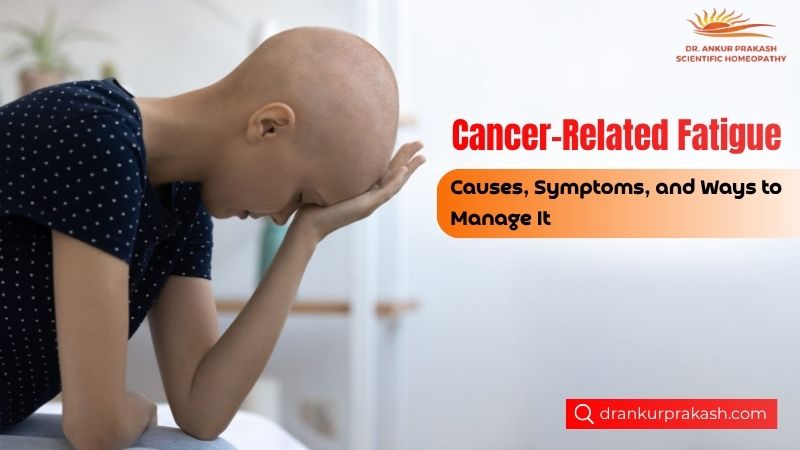
Cancer-related fatigue is one of the most common symptoms experienced by people with cancer, affecting around 80% to 100% of patients, especially during active treatment. Unlike normal tiredness, it does not always improve with rest and may interfere with daily activities, recovery, and quality of life.
It can result from cancer itself, treatments such as chemotherapy and radiation therapy, or other factors including anemia, pain, sleep problems, nutrition issues, and emotional stress.
Managing cancer-related fatigue involves identifying and treating contributing factors, maintaining appropriate activity levels, improving nutrition and sleep habits, conserving energy, and working closely with the healthcare team.
There is no single medication that treats cancer-related fatigue itself, but healthcare providers can address specific causes such as anemia, pain, nutritional deficiencies, or sleep-related problems.
At a Glance: Normal Tiredness vs Cancer-Related Fatigue
Normal Tiredness | Cancer-Related Fatigue |
Usually occurs after physical or mental activity | May occur even without activity |
Improves after a good night’s sleep | Often persists despite adequate rest |
Typically lasts a few hours | Can continue for weeks or months |
Rarely interferes with daily life | May significantly affect work, relationships, and self-care |
Energy returns after rest | Energy often remains low even after sleeping |
Key Takeaway: Cancer-related fatigue is more than simply feeling tired. It is a persistent sense of exhaustion that can affect every aspect of daily life and often requires medical evaluation and supportive management.
What Is Cancer-Related Fatigue?
Cancer-related fatigue is a persistent feeling of physical, emotional, and mental exhaustion caused by cancer or its treatment. It is one of the most frequently reported symptoms among people living with cancer and can occur before, during, or after treatment.
Unlike ordinary fatigue that improves after rest, cancer-related fatigue often continues despite getting enough sleep. Many patients describe it as feeling completely drained, lacking motivation, or struggling to perform even simple daily activities such as walking, cooking, working, or concentrating on conversations.
This type of fatigue can affect people receiving:
- Chemotherapy
- Radiation therapy
- Surgery
- Immunotherapy
- Targeted therapy
- Hormone therapy
Some people also experience fatigue after cancer treatment, sometimes lasting for months or even longer during recovery. This is commonly referred to as cancer survivorship fatigue.
The severity varies from person to person. For some, fatigue is mild and manageable, while for others it becomes one of the most difficult challenges of living with cancer.
How Is Cancer-Related Fatigue Different from Normal Tiredness?
Many people assume fatigue during cancer treatment is simply a result of being busy or sleeping poorly. However, cancer fatigue is a recognized medical condition with characteristics that make it very different from everyday tiredness.
Normal tiredness
Normal tiredness usually develops after physical work, emotional stress, or inadequate sleep. Most people recover after resting, eating well, or sleeping.
Cancer-related fatigue
Cancer-related fatigue is often disproportionate to the level of activity performed. A person may wake up feeling exhausted despite sleeping through the night or may become extremely tired after completing simple tasks.
Common features include:
- Persistent exhaustion that lasts for weeks or longer
- Little or no improvement after resting
- Difficulty concentrating or remembering things
- Reduced motivation
- Feeling physically weak
- Difficulty completing everyday tasks
- Reduced participation in work, hobbies, or social activities
Because fatigue can significantly reduce quality of life, patients should discuss persistent symptoms with their oncology team rather than assuming it is something they simply have to live with.
What Causes Cancer-Related Fatigue?
Cancer-related fatigue usually has more than one cause. It can result from the cancer itself, cancer treatments, or other physical and emotional factors. Identifying these causes helps healthcare professionals develop an appropriate management plan.
1. The Cancer Itself
Cancer can trigger inflammation and alter the body’s normal metabolism, increasing energy demands and causing persistent tiredness. Some cancers may also reduce appetite and lead to weight loss, making it harder to maintain strength.
2. Chemotherapy Fatigue
Chemotherapy fatigue is one of the most common side effects of cancer treatment. Chemotherapy affects not only cancer cells but also healthy cells in the bone marrow, which may reduce red blood cell production and lead to anemia. As a result, less oxygen reaches the body’s tissues, causing weakness and fatigue. Symptoms often become more noticeable a few days after each treatment cycle.
3. Radiation Therapy Fatigue
Radiation therapy fatigue commonly develops gradually during treatment and may continue after treatment ends. The body uses additional energy to repair healthy tissues affected by radiation, while frequent appointments, treatment schedules, and emotional stress may further contribute to tiredness.
For many patients, radiation-related fatigue improves within a few weeks after treatment. However, some people may experience fatigue for several months depending on the treatment area, radiation dose, overall health, and other cancer therapies being received.
4. Anemia
Anemia is a common cause of fatigue in cancer patients. Low red blood cell levels reduce the amount of oxygen delivered to muscles and organs, making even routine activities feel exhausting.
Common symptoms include:
- Weakness
- Shortness of breath
- Dizziness
- Pale skin
- Reduced exercise tolerance
If anemia is contributing to fatigue, your healthcare provider may recommend appropriate treatment based on its cause and severity. Management may include nutritional support, correction of vitamin deficiencies such as vitamin B12 or folate deficiency, or medications that stimulate red blood cell production in selected patients. Treating anemia may help improve energy levels and reduce weakness in some individuals.
5. Pain
Persistent cancer-related pain can interfere with sleep, reduce physical activity, and increase emotional stress, all of which contribute to cancer-related exhaustion. Effective pain control is therefore an important part of managing cancer-related fatigue.
6. Sleep Problems
Many people undergoing cancer treatment experience sleep disturbances such as:
- Difficulty falling asleep
- Frequent nighttime waking
- Anxiety-related insomnia
- Poor sleep quality
- Daytime sleepiness
Poor-quality sleep can make fatigue worse throughout the day.
7. Poor Nutrition and Dehydration
Cancer and its treatment may reduce appetite or cause nausea, vomiting, mouth sores, taste changes, or swallowing difficulties. Without enough nutrients and fluids, the body has less energy to repair tissues and maintain normal function. Maintaining good nutrition and hydration is an important part of cancer fatigue management.
8. Emotional Stress
Stress, anxiety, depression, uncertainty about treatment, and financial or family concerns can all contribute to persistent tiredness and cancer-related fatigue. Managing emotional health through counseling, relaxation techniques, or support groups may help improve overall well-being.
9. Reduced Physical Activity
While rest is important, prolonged inactivity can weaken muscles and reduce stamina, creating a cycle in which fatigue leads to less activity and even greater fatigue. For many patients, light physical activity recommended by their healthcare provider is an effective strategy for managing cancer-related fatigue.
Common Causes of Cancer-Related Fatigue at a Glance
Cause | How It Contributes to Fatigue |
Cancer itself | Inflammation and increased energy demands |
Chemotherapy | Bone marrow suppression, anemia, tissue repair |
Radiation therapy | Ongoing tissue healing and inflammation |
Surgery | Recovery and healing require additional energy |
Anemia | Reduced oxygen delivery to tissues |
Pain | Disrupted sleep and increased physical stress |
Poor nutrition | Reduced energy production and muscle loss |
Sleep disorders | Inadequate restorative sleep |
Emotional distress | Increased mental and physical exhaustion |
Reduced physical activity | Loss of strength and endurance |
Common Symptoms of Cancer-Related Fatigue
Cancer-related fatigue affects more than just physical energy. It can influence emotional well-being, mental clarity, and the ability to perform everyday activities. Symptoms may develop gradually or appear suddenly, and their severity often changes throughout the course of treatment.
Many people describe cancer fatigue as feeling “completely drained” even after a full night’s sleep.
Common symptoms include:
- Persistent tiredness that does not improve with rest
- Feeling physically weak or lacking strength
- Difficulty walking long distances or climbing stairs
- Reduced ability to concentrate or remember information
- Feeling mentally “foggy”
- Loss of motivation to perform daily activities
- Increased need to rest throughout the day
- Difficulty completing household tasks or work responsibilities
- Reduced interest in hobbies or social interactions
- Feeling emotionally overwhelmed or irritable
- Slower thinking and decision-making
- Shortness of breath during routine activities in some patients
Some people experience fatigue only during treatment, while others continue to have fatigue after cancer treatment, particularly during recovery. This is known as cancer survivorship fatigue and may persist for months in some individuals.
Important: Sudden, severe, or rapidly worsening fatigue should always be discussed with your healthcare team, as it may indicate an underlying medical problem that requires evaluation.
Who Is More Likely to Experience Cancer-Related Fatigue?
Although fatigue in cancer patients can affect anyone, certain factors increase the likelihood of developing moderate to severe fatigue.
You may be at greater risk if you:
- Are receiving chemotherapy or radiation therapy
- Have advanced or metastatic cancer
- Have anemia or low red blood cell levels
- Experience chronic pain
- Have poor nutritional intake or unintentional weight loss
- Have sleep disturbances or insomnia
- Are experiencing anxiety or depression
- Have infections or other chronic medical conditions
- Take medications that cause drowsiness
- Have reduced physical activity for an extended period
Understanding these risk factors helps healthcare providers identify patients who may benefit from earlier supportive care and symptom management.
How Is Cancer-Related Fatigue Diagnosed?
There is no single blood test or imaging scan that can diagnose cancer-related fatigue. Instead, healthcare providers evaluate your symptoms, medical history, current cancer treatment, and overall health to identify possible causes. Since fatigue often has multiple contributing factors, finding and treating any underlying medical condition is an important part of diagnosis.
Medical History
Your doctor will ask about your fatigue, including:
- When did the fatigue begin?
- Is it constant or does it come and go?
- Does rest improve your symptoms?
- How is fatigue affecting your daily activities?
- Are you eating and sleeping well?
- Have you experienced dizziness, shortness of breath, or weight loss?
Keeping a fatigue diary can help track symptoms and identify possible triggers.
Physical Examination
A physical examination helps identify health problems that may contribute to fatigue, such as:
- Muscle weakness
- Dehydration
- Weight loss
- Signs of infection
- Nutritional deficiencies
- Heart or lung conditions
Blood Tests
Your healthcare provider may recommend blood tests to look for treatable conditions that can worsen fatigue in cancer patients, including:
- Anemia
- Electrolyte imbalances
- Thyroid disorders
- Liver or kidney problems
- Vitamin deficiencies
- Infection or inflammation
Treating these underlying conditions may help reduce fatigue in some patients.
Treatment Review
Your oncology team will also assess whether cancer treatment fatigue is related to:
- Chemotherapy
- Radiation therapy
- Immunotherapy
- Hormone therapy
- Targeted therapy
- Surgery
- Pain medicines or other supportive medications
Understanding when fatigue started and how it relates to your treatment helps your healthcare team develop an appropriate management plan.
Evidence-Based Ways to Manage Cancer-Related Fatigue
There is no single medication or treatment that eliminates cancer-related fatigue for everyone. Because fatigue often develops from multiple causes, effective management focuses on identifying contributing factors and combining medical care with lifestyle adjustments and supportive strategies.
1. Stay Physically Active When Possible
Although rest may feel like the natural response to fatigue, appropriate physical activity is one of the most effective strategies for managing cancer-related fatigue for many patients.
After discussing it with your healthcare provider, activities may include:
- Walking
- Gentle stretching
- Yoga
- Light strength exercises
- Stationary cycling
- Tai Chi
Regular movement can help improve energy levels, maintain muscle strength, reduce weakness, improve mood, and support quality of life during and after cancer treatment.
The goal is gradual and consistent activity rather than intense exercise. Even short periods of light activity, such as 15 to 30 minutes on most days, may be beneficial for some patients.
2. Practice Energy Conservation Techniques
Energy conservation techniques help patients manage limited energy and complete important daily activities without becoming overly exhausted.
Helpful strategies include:
- Prioritizing essential tasks each day
- Planning activities during times when energy levels are highest
- Breaking larger tasks into smaller steps
- Taking short, planned rest breaks
- Sitting while performing activities such as cooking or dressing
- Asking family members for help with physically demanding tasks
- Using supportive equipment if recommended by a healthcare professional
Using energy wisely can reduce physical strain while helping patients remain active and independent.
3. Maintain a Balanced, Nutritious Diet
Good nutrition supports energy production, tissue repair, and recovery during cancer treatment.
Helpful dietary choices may include:
- Protein-rich foods such as eggs, fish, poultry, beans, and dairy products
- Whole grains for sustained energy
- Fruits and vegetables for essential nutrients
- Healthy fats from nuts, seeds, and olive oil
- Small, frequent meals if appetite is reduced
Treatment side effects such as nausea, mouth sores, taste changes, or swallowing difficulties can make eating challenging. In such cases, consult your healthcare provider or a registered dietitian for personalized guidance.
4. Stay Properly Hydrated
Dehydration can worsen cancer treatment fatigue and contribute to weakness, dizziness, and headaches.
Many healthcare providers recommend aiming for adequate fluid intake throughout the day. Some general guidance suggests around 64 ounces (approximately 1.9 liters) of fluids daily, although individual needs vary depending on treatment type, kidney function, medications, and your doctor’s advice.
Patients should follow personalized fluid recommendations, especially if they have heart, kidney, or other medical conditions requiring fluid restrictions.
5. Improve Sleep Quality
Although adequate sleep is important, excessive rest or spending long hours in bed does not always improve cancer-related fatigue.
Healthy sleep habits include:
- Following a consistent sleep schedule
- Limiting caffeine later in the day
- Avoiding screens before bedtime
- Creating a quiet and comfortable sleep environment
- Taking short naps when needed, ideally around 30 minutes or less, to avoid disrupting nighttime sleep.
If sleep problems continue, discuss them with your healthcare team, as insomnia and poor sleep quality may require additional support.
6. Manage Pain and Other Symptoms
Symptoms such as pain, nausea, breathlessness, anxiety, and depression can increase fatigue and reduce daily functioning.
Managing these symptoms effectively may help improve energy levels and overall comfort. Inform your healthcare provider if any symptoms become difficult to control.
7. Treat Underlying Medical Conditions
Sometimes fatigue in cancer patients improves when underlying medical problems are identified and treated.
Possible contributors include:
- Anemia
- Infections
- Thyroid disorders
- Nutritional deficiencies
- Depression
- Medication side effects
Addressing these factors is an important part of cancer fatigue management and can help improve quality of life during and after treatment.
Daily Fatigue Management Checklist
Lorem ipsum dolor sit amet, consectetur adipiscing elit. Ut elit tellus, luctus nec ullamcorper mattis, pulvinar dapibus leo.
Small changes in your daily routine can make a meaningful difference over time.
✔ Plan important activities during your most energetic hours.
✔ Accept help from family or caregivers when needed.
✔ Take short breaks between activities.
✔ Eat nutritious meals at regular intervals.
✔ Stay hydrated throughout the day.
✔ Engage in light physical activity if approved by your healthcare provider.
✔ Follow your prescribed treatment plan.
✔ Keep a record of your fatigue and discuss any changes with your oncology team.
Myth vs. Fact: Understanding Cancer-Related Fatigue
Myth | Fact |
Fatigue means the cancer is getting worse. | Not necessarily. Fatigue is a common side effect of both cancer and its treatments and does not always indicate disease progression. |
Sleeping more will completely cure fatigue. | Cancer-related fatigue often persists despite adequate rest because it has multiple underlying causes. |
Exercise should be avoided if you feel tired. | For many patients, light to moderate physical activity recommended by a healthcare professional can actually help reduce fatigue. |
Fatigue is something patients simply have to accept. | Many contributing factors can be identified and managed, helping improve quality of life. |
Nothing can be done to improve cancer-related fatigue. | A combination of medical care, nutrition, physical activity, symptom management, and supportive strategies can help many patients manage fatigue more effectively. |
Key Takeaway
Managing cancer-related fatigue is not about pushing through exhaustion or staying in bed all day. The goal is to identify the underlying causes, maintain safe levels of activity, support your body’s nutritional and emotional needs, and work closely with your healthcare team to develop an individualized management plan.
Can Homeopathy Help in Managing Cancer-Related Fatigue?
Homeopathy may be considered as a complementary approach to support overall well-being in some people experiencing cancer-related fatigue, but it should not replace conventional cancer treatment. Managing fatigue requires identifying and addressing possible causes such as anemia, pain, sleep problems, nutritional issues, treatment side effects, or emotional stress.
At Dr. Ankur Prakash Homeopathy Clinic, homeopathy is offered as an individualized supportive approach, with the goal of supporting overall well-being and symptom experience while the patient’s oncology treatment plan continues under the guidance of their cancer care team.
This approach considers factors such as:
- Overall health and medical history
- Current cancer treatment
- Fatigue symptoms and severity
- Sleep, appetite, and emotional well-being
Conventional cancer treatments, including chemotherapy, radiation therapy, surgery, immunotherapy, targeted therapy, and hormone therapy, remain the primary treatments recommended by oncologists. Any complementary therapy should be discussed with the healthcare team to ensure safe and coordinated care.
When Should You Contact Your Healthcare Team?
You should contact your healthcare provider if cancer-related fatigue becomes severe, suddenly worsens, does not improve over time, or starts affecting your ability to manage daily activities or continue treatment. While mild to moderate fatigue is common during cancer treatment, certain changes may indicate an underlying problem that requires medical evaluation.
- Seek medical advice if you experience:
- Your fatigue suddenly becomes much worse.
- You are unable to get out of bed, eat, drink, or perform basic self-care.
- Symptoms continue for several weeks without improvement.
- Severe weakness, dizziness, or fainting develops.
- Shortness of breath occurs even with minimal activity.
- You develop persistent fever or chills.
- Unexplained bleeding or bruising occurs.
- Pain is no longer controlled with prescribed treatment.
- Significant anxiety, depression, or feelings of hopelessness affect your daily life.
- Fatigue begins to interfere with your cancer treatment schedule.
Early evaluation can help identify treatable causes and ensure appropriate support during cancer treatment and recovery.
Warning Signs That Require Immediate Medical Attention
Although fatigue itself is not usually an emergency, seek urgent medical care immediately if extreme tiredness is accompanied by any of the following symptoms:
- Chest pain
- Difficulty breathing or severe shortness of breath
- High fever or signs of infection
- Sudden confusion or difficulty staying awake
- Loss of consciousness
- Severe dizziness or repeated fainting
- Heavy bleeding
- New weakness affecting one side of the body
- Inability to drink fluids because of persistent vomiting
- Severe dehydration
These symptoms may indicate a serious medical condition that requires immediate assessment.
Fatigue After Cancer Treatment
Many people expect their energy levels to return immediately after completing cancer treatment. However, fatigue after cancer treatment is common, and recovery may take weeks or months depending on the type of cancer, treatment received, overall health, and other medical factors.
The duration of fatigue varies depending on the treatment received and each person’s recovery.
- During chemotherapy, fatigue may improve between treatment cycles but can continue throughout treatment and sometimes after it ends. .
- For many people receiving radiation therapy, energy levels begin to improve within a few weeks, although recovery may take several months for some patients.
- In some cases, fatigue associated with immunotherapy can continue for several months even after treatment has finished.
- Following stem cell or bone marrow transplantation, recovery-related fatigue may persist for many months and, for some people, up to a year.
Recovery from cancer survivorship fatigue is often gradual and may improve with:
- Regular follow-up with the healthcare team
- Gradually increasing physical activity
- Balanced nutrition and adequate hydration
- Healthy sleep habits
- Management of ongoing symptoms or medical conditions
If fatigue continues long after treatment or affects daily activities, discuss it with your healthcare provider to identify possible causes and appropriate supportive care.
Practical Tips for Family Members and Caregivers
Cancer-related fatigue affects not only patients but also the people who care for them. Family members and caregivers can play an important role in providing practical and emotional support.
Helpful ways to assist include:
- Encourage the patient to balance activity with planned rest rather than remaining inactive all day.
- Help organize daily tasks according to the patient’s energy levels.
- Assist with shopping, cooking, household chores, or transportation to appointments when needed.
- Encourage nutritious meals and adequate fluid intake.
- Join the patient for light walks or gentle exercise if approved by the healthcare team.
- Attend medical appointments together to better understand treatment recommendations.
- Listen without judgment and encourage open conversations about fatigue, stress, or emotional concerns.
Caregivers should also remember to care for their own physical and emotional well-being. Taking regular breaks, asking for support, and maintaining personal health are important for providing sustainable care.
Living Well Despite Cancer-Related Fatigue
Although cancer-related fatigue can be one of the most challenging aspects of living with cancer, many people find that combining medical care with healthy lifestyle habits and supportive strategies helps them regain confidence and improve their quality of life.
Setting realistic goals can make daily activities feel more manageable. Rather than trying to complete everything at once, focus on small achievements, celebrate progress, and allow yourself time to recover when needed.
Remember that every person’s experience is different. Comparing your recovery with someone else’s can create unnecessary frustration. Working closely with your healthcare team allows your management plan to be adjusted as your needs change throughout treatment and recovery.
Key Takeaways
- Cancer-related fatigue is one of the most common side effects of cancer and its treatment.
- Unlike ordinary tiredness, it often does not improve with rest alone.
- Multiple factors, including cancer itself, chemotherapy, radiation therapy, anemia, pain, poor nutrition, sleep problems, and emotional distress, may contribute to fatigue.
- Early recognition and evaluation help identify treatable causes.
- Evidence-based management includes physical activity, balanced nutrition, adequate hydration, sleep hygiene, symptom control, and treating underlying medical conditions.
- Homeopathy may be considered as an individualized complementary approach for selected patients under professional guidance, but it should never replace conventional cancer treatment.
- Persistent or worsening fatigue should always be discussed with the healthcare team.
Frequently Asked Questions (FAQs)
1. What is cancer-related fatigue?
Cancer-related fatigue is a persistent feeling of physical, mental, and emotional exhaustion caused by cancer or its treatment. Unlike normal tiredness, it often does not improve with sleep or rest and can interfere with daily activities, work, and overall quality of life.
2. How long does cancer-related fatigue last?
The duration varies from person to person. Some people experience fatigue only during treatment, while others continue to have fatigue after cancer treatment for weeks or months. Recovery depends on factors such as the type of cancer, treatment received, overall health, and whether underlying conditions like anemia or poor nutrition are present.
3. Does chemotherapy always cause fatigue?
Fatigue is one of the most common side effects of chemotherapy, but not everyone experiences it to the same degree. The severity depends on the type of chemotherapy, treatment schedule, overall health, nutritional status, sleep quality, and other medical conditions.
4. Can exercise help manage cancer-related fatigue?
Yes. For many patients, light to moderate physical activity approved by their healthcare provider can help improve energy levels, muscle strength, mood, and overall quality of life. Walking, gentle stretching, yoga, and low-impact exercises are commonly recommended based on an individual’s health and treatment plan.
5. When should I be concerned about cancer-related fatigue?
You should contact your healthcare team if fatigue suddenly becomes severe, prevents you from eating or drinking, continues to worsen, or is accompanied by symptoms such as fever, chest pain, shortness of breath, dizziness, confusion, or heavy bleeding. These symptoms may require prompt medical evaluation.
6. Can homeopathy cure cancer-related fatigue?
There is no evidence that homeopathy cures cancer-related fatigue or cancer itself. At Dr. Ankur Prakash Homeopathy Clinic, homeopathy is offered as an individualized complementary approach for selected patients alongside conventional cancer care. It should never replace chemotherapy, radiation therapy, surgery, immunotherapy, or any treatment recommended by an oncologist.
7. Can emotional stress make cancer fatigue worse?
Yes. Anxiety, depression, emotional distress, and the psychological impact of a cancer diagnosis can contribute to fatigue. Addressing mental health through counseling, support groups, relaxation techniques, or professional psychological support may help improve overall well-being.
8. Is cancer-related fatigue common after treatment ends?
Yes. Some cancer survivors continue to experience fatigue even after completing treatment. This is known as cancer survivorship fatigue. Recovery is often gradual, and maintaining healthy lifestyle habits, staying physically active, and following up with the healthcare team can support long-term improvement.
Conclusion
Cancer-related fatigue is more than normal tiredness and can significantly affect daily life during and after cancer treatment. Understanding its causes, recognizing symptoms early, and addressing contributing factors such as anemia, pain, sleep problems, nutrition, and emotional stress can help patients manage fatigue more effectively.
At Dr. Ankur Prakash Homeopathy Clinic, homeopathy is offered as an individualized complementary approach to support overall well-being alongside appropriate cancer care. It should always be used with, and not as a replacement for, treatments recommended by qualified oncology professionals.
If persistent fatigue is affecting your recovery or quality of life, consult your healthcare provider for proper evaluation and personalized support.