
Homeopathy Kidney Failure Treatment in Agra
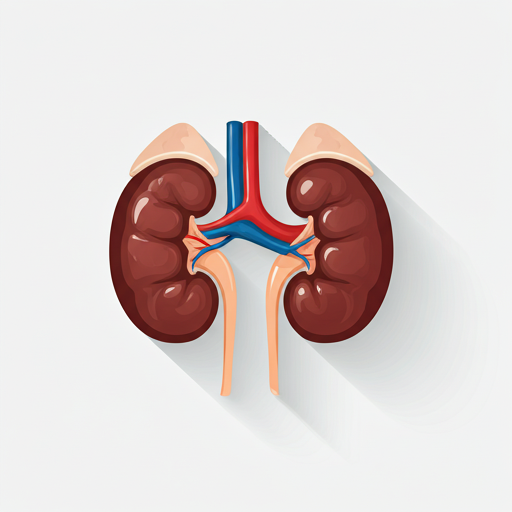
What is Kidney Failure?
Understanding the Stages
Chronic Kidney Disease (CKD) often progresses silently through five distinct stages. In the early stages, the kidneys can still function effectively.
Homeopathic treatment aims to stabilize renal parameters, manage underlying causes like hypertension or diabetes, and slow down the progression to dialysis.
- Personalized Medicine
- Non-Invasive Approach
- Symptom Management
Types of Kidney Failure
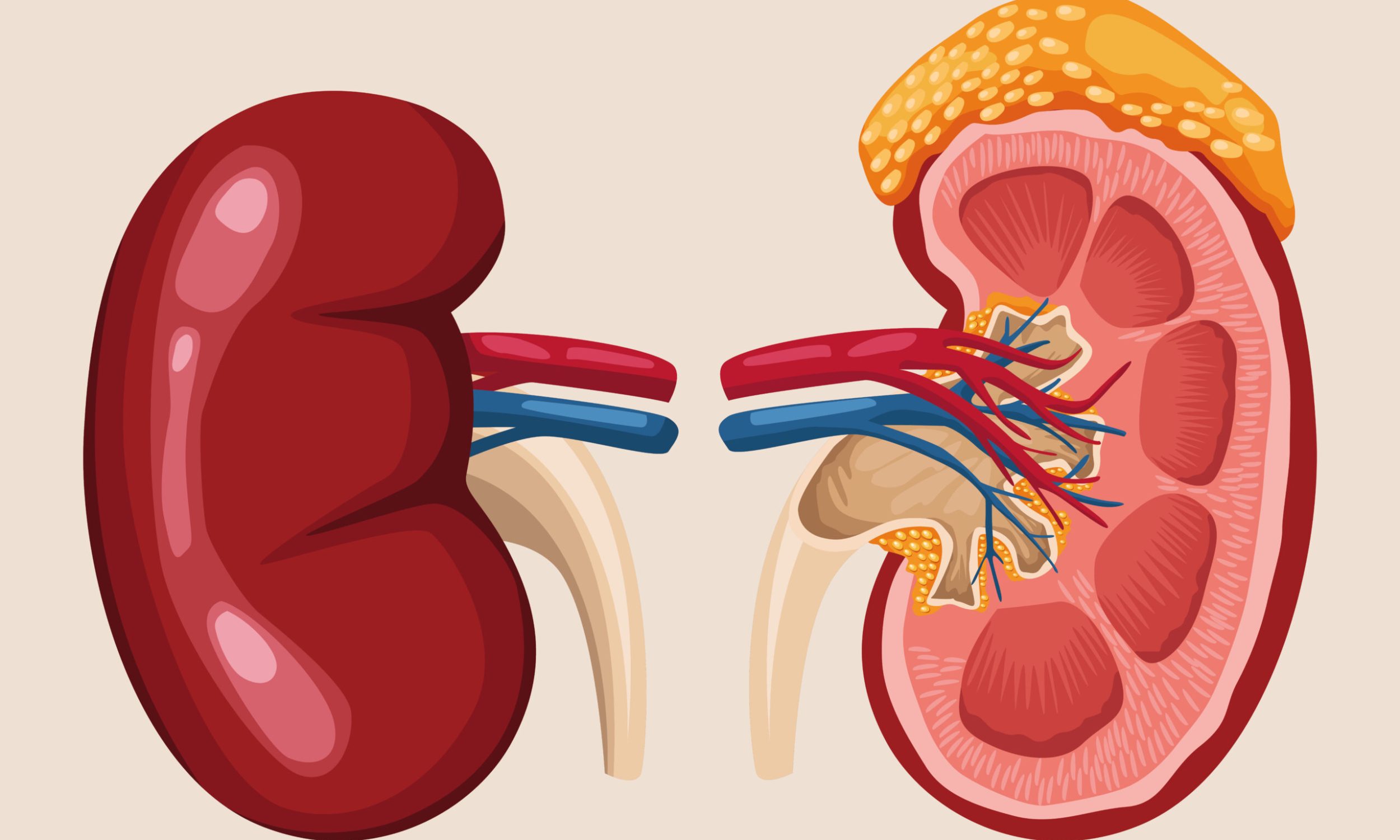
TYPE 1: SUDDEN ONSET
AKI (Acute Kidney Injury)
A sudden episode of kidney failure or kidney damage that happens within a few hours or a few days. AKI causes a build-up of waste products in your blood and makes it hard for your kidneys to keep the right balance of fluid in your body.
EMERGENCY CARE ALERT
Acute cases may require urgent hospital intervention. Seek immediate medical attention if symptoms occur suddenly.
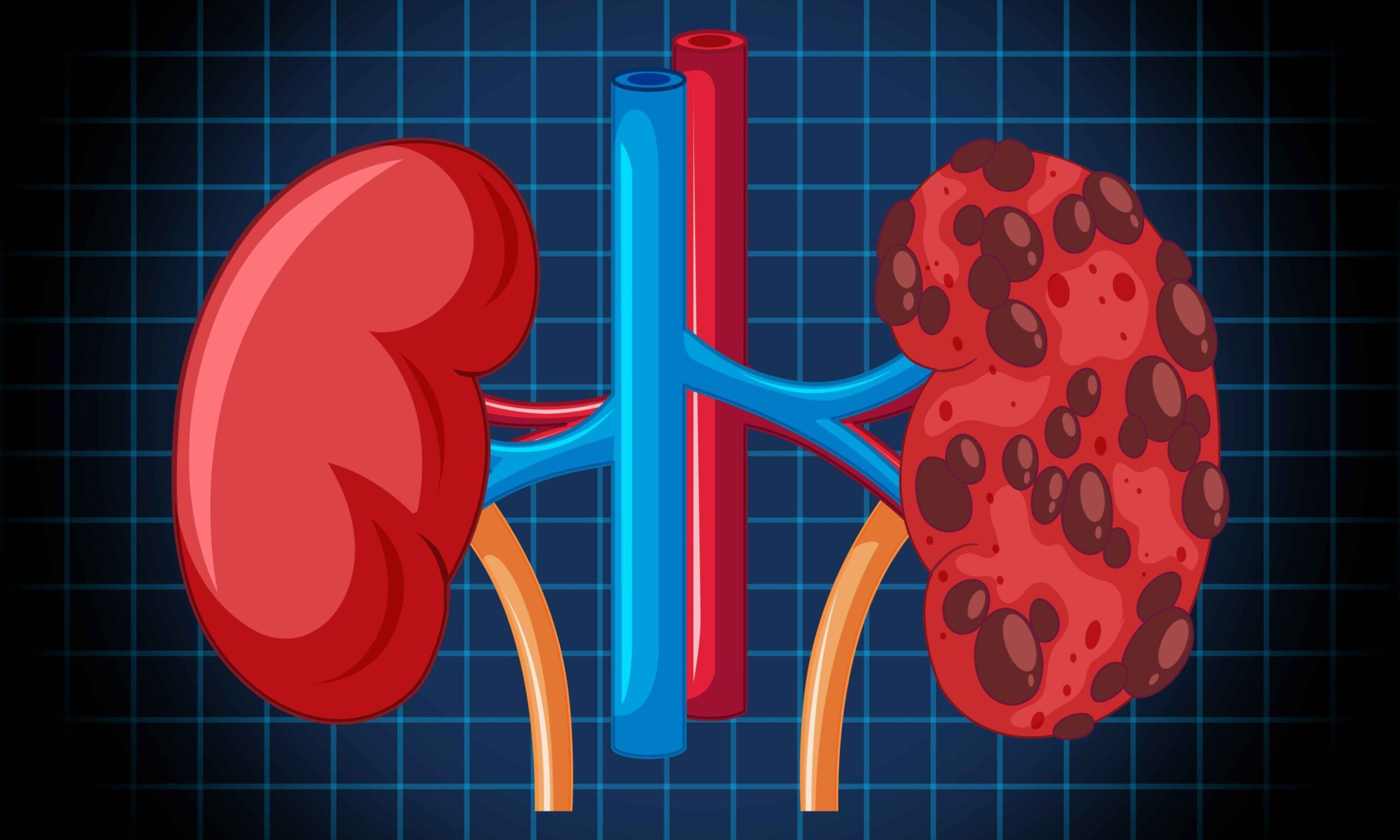
Type 2: Chronic Management (OUR – SPECIALITY)
CKD (Chronic Kidney Disease)
A long-term condition where the kidneys don’t work as well as they should. It’s a progressive loss in kidney function over a period of months or years. Our homeopathic protocols focus on stabilizing and slowing progression.
HOMEOPATHIC FOCUS
Our primary focus is long-term renal health, stabilization, and reducing dependency on invasive procedures.
CKD Stages Explained
Normal GFR
GFR 90 or higher
- Kidneys are healthy and working well
- Usually no physical symptoms
- Protein in urine might be present
Mild CKD
GFR 60 to 89
- Mild loss of kidney function
- Often asymptomatic; found during checkup
- Focus on BP and diet control
Moderate CKD
GFR 30 to 59
- Split into 3a (Mild-Mod) and 3b (Mod-Severe)
- Fatigue, puffiness in hands/feet
- High efficacy for homeopathic stabilization
Severe CKD
GFR 15 to 29
- Severe loss of kidney function
- Likely anemia or bone disease symptoms
- Intensive constitutional care required
ESRD
GFR less than 15
- Kidneys are close to failure or failed
- Nausea, loss of appetite, itching
- priority_highCritical medical monitoring essential
Common Medical Indicators/Symptoms:
- Fatigue: Persistent tiredness and loss of energy due to toxin buildup.
- Edema (Swelling): Noticeable swelling in feet, ankles, hands, or puffiness around the eyes caused by fluid retention.
- Decreased Output: Noticeable reduction in urine volume and frequency.
- Nausea: Frequent feeling of sickness, vomiting, or metallic taste.
- Breath Issues: Shortness of breath due to fluid buildup in the lungs.
- Sleep Issues: Difficulty falling or staying asleep caused by itching or discomfort.
- Urinary Changes: Changes in frequency, color, or the presence of foam/bubbles indicating protein leakage.
Commonly Used Tests
Serum Creatinine
Measures the waste product levels in the blood.
BUN
Blood Urea Nitrogen levels to assess kidney filtration.
eGFR
Estimated Glomerular Filtration Rate for staging.
Urine Analysis
Detection of albumin, protein, or blood cells.
Electrolytes
Monitoring Sodium, Potassium, and Chloride balance.
Cystatin C
A highly sensitive marker for early renal dysfunction.
Renal Ultrasound
Visualizing size and structural health of kidneys.
KFT Panel
Comprehensive Kidney Function Test profile.
Treatment Approach
Our methodology combines clinical rigor with the holistic principles of classical homeopathy.
Detailed Case Analysis
We conduct a deep-dive consultation covering your medical history, genetic predispositions, and lifestyle factors that impact renal health.
Holistic Clinical Diagnosis
Integration of pathological reports with homeopathic symptom mapping to identify the root cause of the kidney dysfunction.
Personalized Remedy Selection
Prescribing highly specific, non-toxic homeopathic medicines aimed at revitalizing kidney tissues and optimizing GFR levels.
Progress Monitoring
Regular follow-ups and repeat clinical tests to track improvement and adjust treatment protocol based on your body’s response.
CLINICAL INSIGHT
Understanding Creatinine Levels
Creatinine is a chemical waste product that’s produced by your muscle metabolism and to a smaller extent by eating meat. Healthy kidneys filter creatinine and other waste products from your blood.
Why it Matters
If your kidneys aren’t functioning properly, an increased level of creatinine may accumulate in your blood. A serum creatinine test measures the level of creatinine in your blood and provides an estimate of how well your kidneys filter (glomerular filtration rate).
Normal Ranges
Adult Males
0.7 to 1.3 mg/dL
Adult Females
0.6 to 1.1 mg/dL
Children
0.3 to 0.7 mg/dL
*Ranges may vary slightly by laboratory. Consult your specialist for a personalized analysis.
Suitability for Kidney Health & Chronic Care
Our specialized homeopathic approach is designed to support the body across various stages of renal dysfunction, focusing on slowing progression and improving quality of life.

CKD Management
Early to moderate stages of Chronic Kidney Disease (CKD) support.
Renal Calculi
Natural expulsion and prevention of recurring kidney stones.
High Creatinine Levels
Natural management strategies to help stabilize creatinine fluctuations.
Kidney Detoxification
Stimulating natural drainage and metabolic waste clearance.
Proteinuria Relief
Addressing foamy urine and excessive protein leakage safely.
PKD Support
Complementary support for Polycystic Kidney Disease management.
Frequently Asked Questions
Common questions about our homeopathic kidney treatments and recovery paths.
Most patients observe a stabilizing trend within the first 4–6 weeks of consistent treatment. Actual reduction levels vary based on the initial stage of kidney damage and adherence to the prescribed diet.
Homeopathy is generally considered safe when prescribed by a qualified doctor. Treatment is personalized and planned based on disease stage and reports.
No. Dialysis is a life-saving procedure in advanced kidney failure. Homeopathy may be used only as supportive care under medical supervision.
Chronic kidney disease requires long-term management. Duration depends on CKD stage, severity, and individual response.