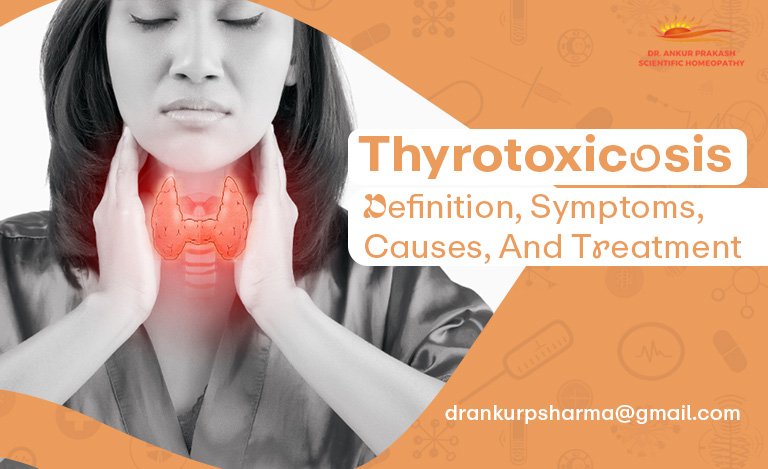
What is Thyrotoxicosis?
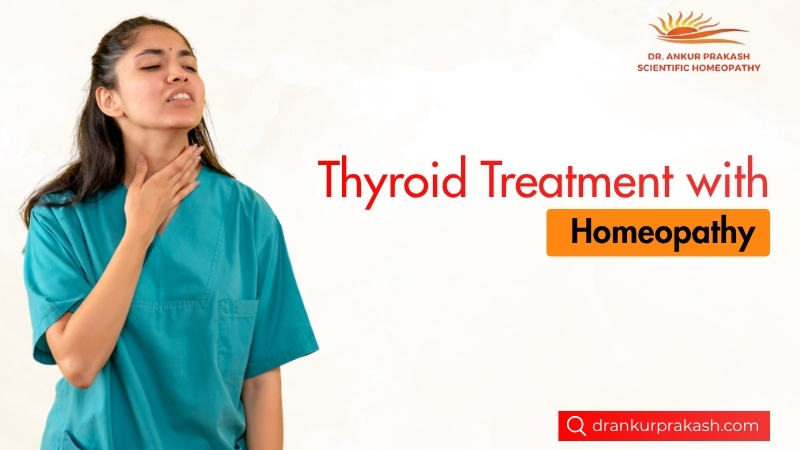
Thyrotoxicosis refers to a condition where there is an excess of thyroid hormones in the bloodstream, which accelerates the body’s metabolism. The thyroid gland, located in the neck, produces thyroid hormones (T3 and T4) that play a critical role in regulating various bodily functions such as heart rate, energy levels, temperature regulation, and digestion. When the thyroid produces too much hormone, the body functions speed up, leading to symptoms of overactivity and health issues.
Thyrotoxicosis is often used interchangeably with hyperthyroidism, but it’s important to note that while hyperthyroidism refers specifically to the overproduction of thyroid hormones by the thyroid gland, thyrotoxicosis can also occur due to other factors, such as thyroiditis or excessive intake of thyroid hormone medication. For those seeking an alternative treatment, hyperthyroidism treatment in homeopathy can provide a natural approach to managing symptoms and balancing thyroid hormone levels.
What Are the Symptoms of Thyrotoxicosis?
Understanding the thyrotoxicosis symptoms is important because the condition can affect your metabolism, heart, mood, and overall health. Below are the most common signs to watch for.
- Rapid Heartbeat (Tachycardia)
Heart rate becomes unusually fast, even while resting. - Unexplained Weight Loss
Losing weight despite eating normally or more than usual. - Heat Intolerance
Feeling overheated, sweating excessively, or discomfort in warm temperatures. - Nervousness and Anxiety
Increased irritability, restlessness, or constant nervousness. - Hand Tremors
Shaking hands or fingers, especially when trying to hold objects steady. - Increased Appetite
Feeling hungry more often and craving food frequently. - Fatigue and Muscle Weakness
Feeling physically weak or tired, even after minimal activity. - Sleep Disturbances
Trouble falling asleep, staying asleep, or waking up frequently. - Frequent Bowel Movements
More frequent stools or mild diarrhea without other digestive problems. - Heart Palpitations
Fluttering, pounding, or irregular heartbeat sensations.
Most Common Cause of Thyrotoxicosis
Thyrotoxicosis occurs when the thyroid gland releases too much thyroid hormone into the bloodstream, speeding up body functions. The most common cause of thyrotoxicosis is an overactive thyroid gland, but several medical conditions can trigger this hormonal imbalance. Below are the leading causes.
1. Graves’ Disease: This is the most common cause of thyrotoxicosis. It’s an autoimmune condition in which the immune system mistakenly attacks the thyroid gland, causing it to overproduce thyroid hormones.
2. Hyperthyroidism: This condition occurs when the thyroid gland itself is overactive and produces excessive amounts of thyroid hormones. This can be due to thyroid nodules (small growths in the thyroid) or other thyroid disorders.
3. Thyroiditis: Inflammation of the thyroid gland (often caused by viral infections or autoimmune conditions) can cause thyroid cells to leak thyroid hormones into the bloodstream, leading to thyrotoxicosis.
4. Excessive Iodine Intake: Iodine is essential for thyroid hormone production, but too much iodine from supplements or certain medications can trigger the thyroid to overproduce hormones.
5. Overuse of Thyroid Medication: Individuals taking thyroid hormone medication to treat hypothyroidism may inadvertently take too much, causing symptoms of thyrotoxicosis.
6. Thyroid Cancer: In rare cases, thyroid cancer can cause an overproduction of thyroid hormones, leading to thyrotoxicosis.
What is the Treatment for Thyrotoxicosis?
Thyrotoxicosis, a condition characterized by an excess of thyroid hormones in the bloodstream, can be treated through several approaches depending on its cause and severity. The primary treatment options include antithyroid medications, radioactive iodine therapy, and surgery. Antithyroid drugs, such as methimazole and propylthiouracil, work by blocking the production of thyroid hormones. In some cases, radioactive iodine is used to destroy overactive thyroid tissue, effectively reducing hormone levels. If other treatments are not effective or suitable, surgery to remove part or all of the thyroid may be recommended. Additionally, beta-blockers may be prescribed to manage symptoms like rapid heart rate or anxiety. In cases of thyroid storm, a life-threatening complication, immediate and aggressive treatment is necessary, often involving a combination of medications and supportive care. Regular monitoring of thyroid function is essential throughout treatment to ensure optimal management and prevent complications.
What Are the Risk Factors for Thyrotoxicosis?
Thyrotoxicosis, a condition characterized by an excess of thyroid hormones in the body, can be triggered by various factors. The most common risk factors include autoimmune diseases such as Graves’ disease, where the immune system mistakenly stimulates the thyroid gland to produce too much hormone. Other causes include thyroid nodules, which can become overactive and release excessive hormones, and thyroiditis, an inflammation of the thyroid that may lead to the release of stored hormones. Additionally, certain medications, such as iodine-containing drugs or excess thyroid hormone replacement, can contribute to thyrotoxicosis. Age, gender, and family history also play significant roles, with women being more susceptible, particularly those between the ages of 20 and 40. In some cases, stress and pregnancy may trigger or worsen the condition. It’s essential to address these risk factors to prevent complications and ensure timely treatment.
Conclusion
Thyrotoxicosis is a serious condition that should be diagnosed and treated by a healthcare professional. If left untreated, it can lead to serious complications, including heart problems, bone thinning, and even a thyroid storm—a life-threatening condition. If you experience symptoms like unexplained weight loss, rapid heartbeat, or fatigue, it’s important to consult with a healthcare provider who can diagnose the condition and recommend appropriate treatments to manage it.
Consult us for Better Health
Dr. Ankur Prakash is recognized as one of the best homeopathy doctors in India, renowned for his specialized treatment in kidney disorders, thyroid issues, skin problems, and even cancer. With a compassionate approach, Dr. Prakash prioritizes his patients’ well-being by focusing on the root cause of health concerns.