
Eosinophils are a type of white blood cell that play an important role in the body’s immune response, particularly in allergies, inflammation, and parasitic infections. While mildly elevated eosinophils are often linked to common and non-serious conditions, persistently high eosinophils in blood can sometimes raise concerns about underlying diseases, including certain cancers. In such cases, patients often explore supportive options like Cancer Treatment in Homeopathy to improve overall well-being alongside conventional care.
Many people worry about what level of eosinophils indicate cancer, especially when blood reports show abnormal values. Understanding eosinophil levels, normal ranges, associated symptoms, and possible causes helps reduce anxiety and ensures timely medical evaluation. In India, Homeopathic Treatment for Cancer in India is commonly used as a complementary approach to support symptom management, immunity, and quality of life under professional guidance.
What Are Eosinophils?
Eosinophils are a specific type of white blood cell, crucial to your body’s immune system. They originate in the bone marrow and circulate in the bloodstream, ready to respond when needed. Their primary roles include:
- Fighting parasitic infections: Particularly those caused by helminths (worms).
- Mediating allergic reactions: Eosinophils release substances like histamine that cause inflammation during allergies and asthma.
- Modulating inflammation: They help regulate immune responses to prevent tissue damage.
Eosinophils typically make up 1-4% of your total white blood cells. When the body detects a threat like parasites, allergens, or certain diseases, eosinophil numbers can rise—a condition called eosinophilia.
Normally, eosinophils help maintain immune balance. However, an increased number of eosinophil in blood is called eosinophilia, which may indicate infections, allergies, autoimmune conditions, or rarely, cancer.
What is The Normal Range of Eosinophils?
Understanding your blood report starts with knowing the normal range of eosinophils, as these immune cells play a vital role in identifying allergic reactions, infections, and more serious conditions. Recognizing what’s considered a healthy eosinophil level can help detect early signs of imbalances in your body.
- Absolute Eosinophil Count
Normal eosinophils: 0–500 cells/µL
Mild eosinophilia: 500–1,500 cells/µL
Significant eosinophilia: Above 1,500 cells/µL
Persistently high eosinophils above this range may require further investigation.
- Eosinophils Normal Range Percentage
Normal eosinophil count percentage: 1%–4%
High eosinophil percentage: Above 4%
For example:
Eosinophils 7 means mildly elevated levels, often linked to allergy or infection
Eosinophils 14 means significantly high and should not be ignored
Always interpret eosinophils percentage, eosinophils range, and absolute values together.
Know More About Symptoms of Cancer
Although an elevated eosinophil count can be caused by many benign factors, it can sometimes be linked to certain types of cancer. Understanding eosinophilia cancer symptoms is important for early detection. Knowing what warning signs to watch for helps ensure timely diagnosis and proper care. Common symptoms include:
- Unexplained weight loss without changes in diet or exercise
Significant or rapid weight loss, especially more than 5–10% of your body weight over a few months, may be a red flag for underlying cancers like lymphoma, gastrointestinal cancers, or leukemia. - Persistent fatigue and weakness that do not improve with rest
Unlike ordinary tiredness, cancer-related fatigue is constant and may interfere with daily activities even after adequate sleep or relaxation. - Night sweats or fever without infection
Drenching night sweats or low-grade fevers not caused by infection can signal immune system overactivity, often associated with blood cancers like Hodgkin’s lymphoma. - Swollen lymph nodes or lumps under the skin
Persistent, painless swelling of lymph nodes—especially in the neck, underarms, or groin—can be an indicator of an underlying immune response or a potential malignancy such as lymphoma or leukemia. Nodes that are firm, immobile, and continue to enlarge over time should be evaluated promptly, as they may reflect abnormal cell growth or metastatic spread from other cancers. - Unexplained pain or discomfort in specific areas
Ongoing pain that cannot be attributed to injury, overuse, or known medical conditions—such as deep abdominal discomfort, bone aches, or chronic headaches—can sometimes be an early warning sign of hidden cancers. - Recurrent infections or bleeding issues
Frequent infections or unusual bruising/bleeding may indicate that cancer is affecting blood cell production, especially in leukemia or bone marrow disorders.
If you notice these eosinophilia cancer symptoms along with a high eosinophil count, it is important to consult your healthcare provider for timely evaluation and further investigations.
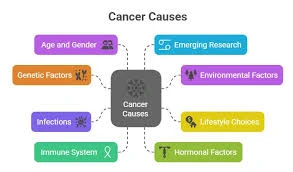
Causes and Risk Factors of Cancer
Cancer is a complex disease with multiple causes. The risk of developing cancer that may cause eosinophilia can be influenced by:
- Genetics: A family history of certain cancers—such as breast, colon, or blood cancers—can significantly increase an individual’s risk due to inherited genetic mutations or predispositions.
- Environmental exposures: Prolonged exposure to harmful substances like industrial chemicals, ionizing radiation, pesticides, or carcinogens such as tobacco smoke can damage cellular DNA and increase cancer risk over time.
- Chronic inflammation or infections: Conditions that cause long-term immune system activation, such as inflammatory bowel disease or infections like HPV or Hepatitis B/C, can contribute to cellular changes that may lead to cancer.
- Immune system disorders: Autoimmune diseases and immune deficiencies can elevate eosinophil levels and impair the body’s ability to detect and eliminate abnormal cells, increasing cancer susceptibility.
- Age: The likelihood of developing cancer increases with age, as genetic mutations accumulate over time and the body’s repair mechanisms weaken.
- Lifestyle: Unhealthy habits such as a poor diet high in processed foods, physical inactivity, excessive alcohol intake, and smoking are all modifiable risk factors that significantly contribute to cancer development.
What Level of Eosinophils Indicate Cancer?
There is no single eosinophil level that definitively indicates cancer. However:
- A persistent eosinophil count above 1.5 x 10^9/L (or 1500 cells per microliter) is often considered significant eosinophilia.
- When elevated eosinophils are unexplained by common causes like allergy or infection, doctors investigate for possible malignancies.
- Cancer-related eosinophilia may also present with very high counts, sometimes exceeding 5.0 x 10^9/L.
Still, elevated eosinophils alone do not confirm cancer. Additional diagnostic steps are essential for accurate diagnosis, including:
- Imaging tests (CT, MRI, PET scans)
- Biopsy of suspicious tissues or lymph nodes
- Bone marrow examination
- Blood tests for tumor markers
In some blood cancers like leukemia or lymphoma, eosinophil levels may rise significantly, sometimes exceeding 5,000 cells/µL. Still, elevated eosinophils alone do not diagnose cancer and must always be evaluated alongside other findings.
How to Decrease Eosinophils Safely?
Treatment focuses on addressing the underlying cause. Common approaches for how to decrease eosinophils include:
- Treating allergies with antihistamines or steroids
- Managing infections with appropriate medications
- Controlling autoimmune conditions
- Avoiding known allergens and irritants
- Using corticosteroids in selected cases
- Cancer-specific treatment when malignancy is diagnosed
- Never self-medicate for eosinophils high without medical advice.
Eosinophils Blood Test Low – Is It a Concern?
In most cases, eosinophils blood test low is not a cause for concern and may occur due to stress, infections, or steroid use. Doctors focus more on elevated eosinophils rather than low values unless symptoms are present.
Prevention and Cancer Risk Reduction
While not all cancers are preventable, you can lower your risk by:
- Avoid tobacco and limit alcohol consumption
- Maintain a balanced diet rich in fruits, vegetables, and whole grains
- Exercise regularly and maintain healthy body weight
- Protect your skin from UV radiation
- Stay up-to-date with vaccinations (like HPV and Hepatitis B)
- Attend regular cancer screening tests as advised for your age and risk profile
- Reduce exposure to environmental toxins and carcinogens
Prevention and early detection remain the most effective weapons against cancer.
Homeopathy Treatment for Cancer
Homeopathy Treatment for Cancer is a complementary approach some patients use alongside conventional treatments such as chemotherapy, radiation, or surgery. While it is not a cure, it may provide supportive benefits when used responsibly under medical guidance.
Potential benefits of homeopathy in cancer care include:
- Improving overall well-being
– Homeopathic remedies are often used to help enhance energy levels, improve sleep, stabilize mood, and restore a sense of emotional balance, which may positively impact the overall quality of life during treatment. - Reducing side effects of chemotherapy or radiation
– Certain homeopathic remedies are believed to help ease common side effects such as fatigue, skin irritation, mouth sores, hair loss-related distress, or gastrointestinal discomfort experienced during cancer treatment. - Managing symptoms such as pain, nausea, or anxiety
– Homeopathy may assist in the holistic management of physical symptoms like chronic pain, nausea, or vomiting, as well as emotional issues like anxiety, fear, or depression, which are common during cancer journeys.
It is important to emphasize that homeopathy should never replace conventional cancer treatment. Always discuss any homeopathic or alternative therapies with your oncologist and a certified homeopath to ensure they are safe, non-interfering, and part of a well-coordinated care plan.
Final Thought
Eosinophils are vital immune cells, and their levels provide important clues about your health. While high eosinophil counts can sometimes indicate cancer, many benign conditions can also cause eosinophilia. Understanding the context, associated symptoms, and follow-up tests is essential for an accurate diagnosis. In such cases, supportive approaches like Cancer Treatment in Homeopathy are often explored alongside conventional care to help improve overall well-being.
If you notice persistent eosinophilia or symptoms concerning cancer, don’t delay seeking expert medical advice. Dr. Ankur Prakash and his team are here to help you navigate these complex questions with compassion and advanced care, offering guidance that may include integrative options such as Cancer Treatment in Homeopathy under professional supervision.
Frequently Asked Questions (FAQs)
1 What Are the Normal Eosinophil Levels in a Healthy Person?
Normal Eosinophil Levels Typically Range Between 0.0 to 0.5 X 10^9/l or 1-4% of White Blood Cells.
2. Can Eosinophilia Occur in Non-Cancerous Conditions?
Yes. Allergies, Parasitic Infections, Autoimmune Diseases, Certain Medications, and Infections Commonly Cause Elevated Eosinophils.
3. Are Elevated Eosinophils a Reliable Indicator for Detecting Cancer?
No. Elevated Eosinophils May Raise Suspicion but Are Not Reliable Alone. Further Diagnostic Work-Up Is Necessary to Confirm Cancer.
4. What Tests Are Typically Done Alongside Eosinophil Count to Detect Cancer?
Tests Include Imaging Scans (Ct, Mri, Pet), Tissue Biopsy, Bone Marrow Analysis, and Blood Tumor Markers.
5. Can a Decrease in Eosinophils Indicate Cancer?
a Decrease in Eosinophils Is Generally Not Linked to Cancer and Is Usually Not a Cause for Concern.