Skin pigmentation issues such as melasma, hyperpigmentation, dark spots, and uneven skin tone are common concerns among people of all ages. If you are looking for a safe and natural skin pigmentation treatment in Agra India , Ankur homeopathy offers an effective, long-term solution without harmful side effects.
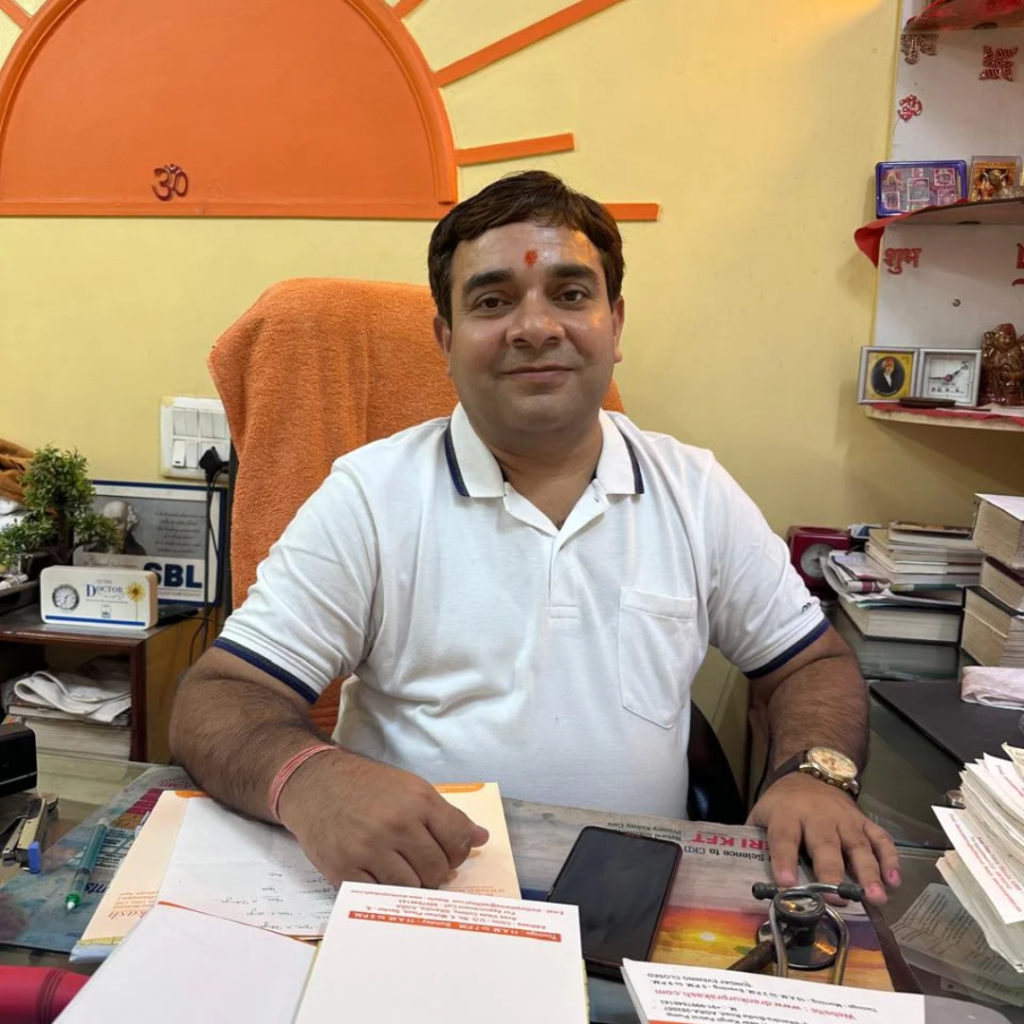
Dr. Ankur Prakash, a well-known homeopathy doctor in Agra, specializes in treating skin pigmentation through a holistic and personalized approach. With years of clinical experience, he focuses on identifying and treating the root cause of pigmentation, rather than providing short-term cosmetic fixes.
What is Skin Pigmentation?
Skin pigmentation is the natural color of the skin, which is determined by a pigment called melanin. Melanin is produced by skin cells known as melanocytes and plays an important role in protecting the skin from sun damage while giving it its normal tone.
This problems occur when melanin production becomes uneven or excessive, leading to visible changes in skin color. These changes may appear as dark spots, patches, discoloration, or uneven skin tone, commonly on the face and other exposed areas of the body. Factors such as sun exposure, hormonal changes, aging, inflammation, genetics, and lifestyle habits can influence skin pigmentation.
In simple terms, skin pigmentation refers to both the natural skin color and any variation in skin tone caused by changes in melanin levels, affecting the overall appearance and health of the skin.
Types of Skin pigmentation
Pigmentation can appear in different forms depending on the underlying cause, melanin activity, and skin response. Below are the most common types of skin pigmentation explained in detail:
Melasma: Melasma is a common type of hyperpigmentation characterized by dark brown or greyish patches, mainly on the face, including the cheeks, forehead, nose, and upper lip. It is often associated with hormonal changes, such as pregnancy, oral contraceptive use, thyroid imbalance, or prolonged sun exposure. Melasma is more common in women and individuals with darker skin tones.
Vitiligo: Vitiligo is a pigmentation disorder in which the skin develops white or light-colored patches due to the loss or destruction of melanocytes. This condition can affect any part of the body, including the face, hands, scalp, and mucous membranes. Vitiligo is considered an autoimmune-related condition and may progress gradually over time.
Albinism: Albinism is a genetic condition present from birth in which the body produces little or no melanin. People with albinism typically have very light skin, hair, and eye color. Because melanin also protects against sunlight, individuals with albinism are more sensitive to sun exposure.
Post-Inflammatory Hyperpigmentation (PIH): Post-inflammatory hyperpigmentation appears as dark spots or patches that develop after skin injury or inflammation. Common triggers include acne, burns, cuts, eczema, or cosmetic procedures. PIH occurs when inflammation stimulates excess melanin production and is especially common in acne-prone and darker skin types.
Solar Lentigines (Sunspots): Solar lentigines, commonly known as sunspots or age spots, are flat, darkened areas that develop due to long-term sun exposure. They usually appear on sun-exposed areas such as the face, hands, shoulders, and arms and are more common in older adults.
Freckles: Freckles are small, light to dark brown spots that appear mainly on the face and arms. They are influenced by genetics and sun exposure and tend to become darker with increased sunlight. Freckles are harmless and commonly seen in people with lighter skin tones.
Understanding the skin pigmentation types helps in identifying the condition correctly and choosing the most suitable treatment approach for healthy and even-toned skin.
Signs and Symptoms for skin pigmentation treatment
Symptoms of Skin pigmentation can vary depending on the cause, severity, and individual skin type. These symptoms may develop gradually or appear suddenly and can affect any part of the body, especially sun-exposed areas.
Changes in Skin Color
One of the most noticeable symptoms is a visible change in skin color. This may appear as darker or lighter areas compared to the surrounding skin, resulting in an uneven skin tone.
Patchy or Uneven Skin Tone
Pigmentation often causes irregular or patchy discoloration, where certain areas of the skin appear uneven or blotchy in color. These patches can vary in size and intensity.
Spots or Small Dots
The appearance of freckles, sunspots, age spots, or dark dots is a common sign of pigmentation. These spots may increase with sun exposure or aging.
Blotches or Large Discolored Areas
Some pigmentation conditions lead to large blotches of discoloration, which may spread across the skin and appear randomly on the face, neck, arms, or other body parts.
Changes in Skin Texture
In certain cases, pigmentation disorders are accompanied by changes in skin texture, such as dryness, roughness, or uneven surface along with color variation.
Increased Skin Sensitivity
Pigmented areas may become more sensitive to sunlight, heat, or irritation, making the skin more prone to redness or discomfort when exposed.
Signs of Premature Skin Aging
Chronic pigmentation, especially caused by sun damage, may be associated with early signs of aging, including fine lines, wrinkles, and loss of skin elasticity in affected areas.
What Are The Common Causes of Skin Pigmentation?
Pigmentation can be influenced by a variety of factors, leading to changes in the color and uniformity of an individual’s skin tone. Here’s a breakdown of common causes of skin pigmentation, explained in a simple and clear manner:
Sun Exposure
One of the most common causes of pigmentation changes. When skin is exposed to the sun, it produces more melanin as a protective response, which can lead to darkening of the skin or sunspots.
Hormonal Changes
Hormonal fluctuations, especially during pregnancy, menopause, or due to birth control pills, can trigger changes in skin pigmentation. This is often seen as melasma or chloasma, which are dark, irregular patches commonly found on the face.
Inflammation
Post-inflammatory hyperpigmentation occurs after an injury or inflammation of the skin, such as cuts, burns, acne, or lupus. The affected area may become darker than the surrounding skin as it heals.
Genetic Factors
Genetics play a significant role in determining skin color and can influence the likelihood of developing certain pigmentation disorders.
Medical Conditions
Certain diseases and conditions, like Addison’s disease or hemochromatosis, can cause pigmentation changes as a symptom.
Medication Side Effects
Some medications, including chemotherapy drugs, antimalarials, and antiseizure drugs, can cause pigmentation changes as a side effect.
Skin Damage
Damage to the skin from cuts, burns, or other injuries can lead to pigmentation changes as part of the healing process.
Homeopathy Treatment for Skin pigmentation
Skin issues like dark spots, freckles, and uneven tone affect many people. Hormonal imbalance, excess sun exposure, stress, lifestyle habits, and genetics trigger these problems. Homeopathy treatment for skin pigmentation in Agra offers a safe, natural, and long-lasting solution by treating the problem from its root.
At Dr. Ankur Prakash – Best Homeopathic Doctor in Agra, skin pigmentation is treated with a personalized and holistic approach. Each patient undergoes a detailed consultation to understand their skin condition, medical history, diet, hormonal health, and emotional well-being. This individualized method helps achieve gradual yet permanent improvement in skin pigmentation without harmful side effects. signs of pigmentation but also to correct the internal imbalances that contribute to skin issues.
How Homeopathy Helps in skin pigmentation treatment
Homeopathy focuses on internal healing rather than temporary cosmetic fixes. Under the expert care of Dr. Ankur Prakash in Agra, homeopathic treatment helps to:
- Reduce dark spots, melasma, and facial pigmentation.
- Improve overall skin clarity and even skin tone.
- Correct hormonal and metabolic imbalances.
- Prevent recurrence of pigmentation.
- Enhance natural glow safely and naturally.
Homeopathic Medicine for Pigmentation on Face
Homeopathic medicine for pigmentation on face focuses on treating the root causes of skin discoloration such as hormonal imbalance, sun exposure, or nutritional issues. It helps reduce dark spots, improve skin tone, and support natural healing from within. Homeopathy offers a safe, gentle, and long-lasting solution without side effects.
How Homeopathic Medicine Works for Facial Pigmentation?
Homeopathy focuses on correcting internal imbalances that reflect on the skin. Instead of bleaching or peeling the skin, homeopathic medicines for facial pigmentation work from within to support the body’s natural healing process. These medicines help regulate hormones, improve digestion, reduce inflammation, and detoxify the system—leading to gradual and lasting improvement in skin tone.
FAQs For Pigmentation on Face
What is the main reason for pigmentation on the face?
Pigmentation usually occurs due to sun exposure, hormonal changes, acne marks, stress, or inflammation. Identifying the root cause is essential for effective treatment.
Can pigmentation on the face be completely removed?
Yes, in many cases pigmentation can be significantly reduced or cleared with consistent homeopathic treatment that addresses internal imbalances.
Are there safe home remedies for pigmentation on the face?
Yes, remedies like aloe vera, turmeric with honey, or potato juice may help mild pigmentation, but results vary and work best with expert guidance.
Is homeopathic medicine safe for facial pigmentation?
Yes, homeopathic medicines are safe, natural, and non-steroidal, making them suitable for long-term use without side effects.
Why choose homeopathy for facial pigmentation treatment?
Homeopathy treats pigmentation from the root cause, offers long-lasting results, and improves overall skin health naturally.
Best Skin Doctor in Agra
Looking for the best skin doctor in Agra? Visit Dr. Ankur Prakash at his renowned Homeopathy Clinic for personalized and effective skin care treatments. Harness the power of pigmentation treatment in homeopathy for dark spots and uneven skin tone, along with solutions for acne and aging. Dr. Prakash’s holistic healing approach ensures gentle, safe, and long-lasting results. Book your appointment today for healthier, radiant skin with Agra’s trusted skin expert.