
Psoriasis Treatment in Homeopathy
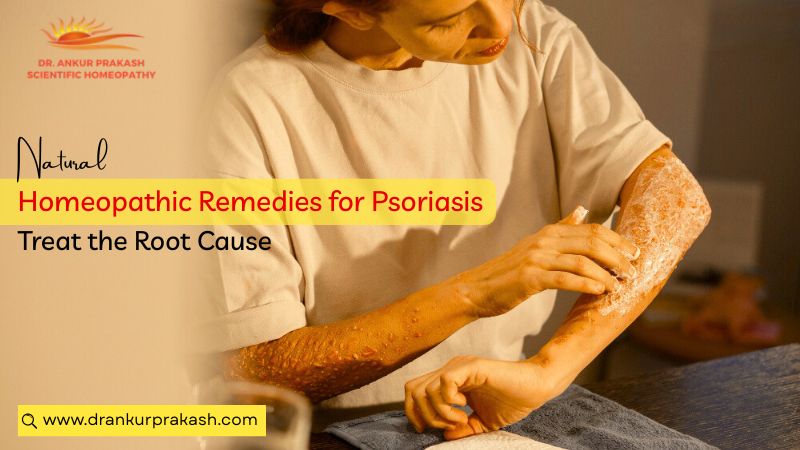
Homeopathy offers a holistic approach to treating psoriasis, emphasizing the individual’s specific symptoms and overall health to formulate a personalized treatment plan. This method operates on the principle of “like cures like,” using highly diluted substances that, in larger amounts, would cause symptoms similar to those being treated. Homeopathic remedies for psoriasis are selected based on the unique characteristics of the patient’s condition, including the appearance of the skin lesions, their location on the body, and any emotional or environmental factors that may influence the person’s health. By addressing the root causes and triggers of Skin inflammation, homeopathy aims to reduce the frequency and severity of outbreaks, improve skin health, and enhance the patient’s overall well-being. It’s important for individuals considering homeopathy for psoriasis to consult with a qualified homeopathic practitioner to ensure a comprehensive and effective treatment plan.
What is Psoriasis?
Psoriasis accelerates the life cycle of skin cells, causing them to accumulate rapidly on the skin surface. This results in red, inflamed patches covered with silvery scales. Though the exact cause is unknown, it is linked to abnormal activity of T cells and neutrophils, which mistakenly attack healthy skin cells. Psoriasis can also lead to complications such as psoriatic arthritis, affecting joints alongside skin.
Types
Exploring the diverse manifestations of a chronic autoimmune skin condition, we uncover five main categories, each with distinct characteristics:
Plaque Psoriasis: Raised, red lesions with silvery scales; common on scalp, elbows, knees, and lower back.
Guttate Psoriasis: Small, water-drop-shaped lesions; often triggered by infections like strep throat.
Inverse Psoriasis: Bright red lesions in skin folds; worsens with friction and moisture.
Pustular Psoriasis: White pustules surrounded by inflamed skin; can be localized or generalized.
Erythrodermic Psoriasis: Widespread red, inflamed skin; severe itching and peeling; requires urgent care.
Symptoms of Psoriasis
Here’s a point-by-point description of the symptoms associated with this skin condition, carefully crafted to meet your requirements:
Red Patches of Skin: The most recognizable sign is the appearance of raised, inflamed patches that are covered with silvery-white scales. These patches can vary in size and severity.
Dry, Cracked Skin: The skin may become so dry that it cracks and bleeds. This symptom can cause discomfort and, in some cases, lead to infection.
Itching, Burning, or Soreness: Affected areas are often itchy or sore. In severe cases, the itching can be intense, leading to a burning sensation.
Thickened, Pitted or Ridged Nails: Nail changes are common, with nails becoming thickened, pitted, or ridged. These changes can affect both fingernails and toenails.
Stiff and Swollen Joints: In some individuals, the condition extends beyond the skin, leading to swollen and stiff joints, a symptom that is often associated with psoriatic arthritis.
Scaling Spots: Especially noticeable in children, these small scaling spots can appear on any part of the body, including the trunk, limbs, and scalp.
Causes of Psoriasis
Genetic Factors: A strong link exists between genetic predisposition and the development of this skin condition. Individuals with a family history of the disease are more likely to experience its onset, indicating that certain genes may influence its emergence.
Immune System Dysfunction: The condition is often associated with an overactive immune system, particularly involving T cells and other white blood cells known as neutrophils. These cells mistakenly attack healthy skin cells, accelerating their growth cycle and leading to the characteristic buildup on the skin’s surface.
Environmental Triggers: Various external factors can initiate or exacerbate outbreaks. These include weather changes, particularly cold and dry conditions, injuries to the skin such as cuts or sunburns, and exposure to certain medications or chemicals.
Stress: Emotional stress is recognized as a significant trigger that can lead to the onset or worsening of symptoms. Stress impacts the body’s immune response, thereby influencing the severity and frequency of episodes.
Infections: Certain infections, especially those affecting the throat, such as streptococcal pharyngitis, can act as a catalyst for the condition. The immune system’s response to these infections may inadvertently trigger skin cell overproduction.
Lifestyle Factors: Smoking, alcohol consumption, and obesity have been linked to an increased risk of developing the condition. These factors can affect immune system function and overall skin health, potentially leading to more severe manifestations.
Advantages of Homeopathy in Psoriasis
- Treats root causes, not just surface symptoms (can homeopathy cure psoriasis)
- Prevents recurrence of lesions
- Personalized remedies for each patient (homeopathy for psoriasis)
- Safe and natural with minimal side effects
- Can be used alongside conventional treatments (psoriasis treatment in allopathy)
Homeopathic Medicines for Psoriasis Treatment
Here are several homeopathic medicines commonly recommended for psoriasis, each targeting different aspects and manifestations of the condition:
Arsenicum Album: Best suited for individuals experiencing dry, scaly, itchy skin that feels better with warmth. It’s often prescribed for Skin inflammation that worsens during the night and in cold weather.
Graphites: Recommended for those with thick, rough skin lesions covered in sticky discharges. Graphites are particularly effective for Skin inflammation that appears on the scalp, behind the ears, and on the knees and elbows.
Sulphur: Ideal for fiery red, inflamed lesions that are itchy and burning. Sulphur is often used when symptoms worsen with heat and water, indicating a deep-seated, systemic issue.
Rhus Toxicodendron: Suitable for Chronic skin condition that improves with motion but worsens in cold, damp weather or during rest. This remedy is often used for individuals with joint pain associated with psoriatic arthritis.
Petroleum: Prescribed for deep cracks and fissures in the skin, especially on the hands and feet. It is especially beneficial for skin condition that worsens in the winter and improves in summer.
Sepia: Effective for Chronic skin condition that appears in folds of skin, such as under the arms, behind the knees, or in the groin. Sepia is also recommended for individuals who feel better with exercise and worse in cold, damp climates.
Calcarea Carbonica: Best for individuals with chilly, clammy skin and a tendency to sweat easily, especially on the scalp. This remedy is suited for people who are easily fatigued and crave sweets.
Best Psoriasis Treatment in India
Discovering the best psoriasis treatment in India involves exploring various methods to manage this chronic skin condition effectively. Among the diverse treatment options available, homeopathy stands out for its personalized approach and natural remedies. Tailored to individual symptoms and health conditions, homeopathy offers a holistic solution aiming at not just the external symptoms, but also addressing the underlying causes of Psoriatic arthritis. This method minimizes the risk of side effects and promotes long-term relief, making it a sought-after choice for patients seeking a gentle yet effective management of Psoriatic arthritis in India.
Looking for a trusted skin doctor in Agra? Meet Dr. Ankur Prakash, your go-to expert for all skin-related concerns. With years of experience and a dedication to personalized care, Dr. Prakash offers comprehensive solutions for a wide range of dermatological issues. Whether you’re dealing with acne, eczema, or any other skin condition, you can rely on his expertise for effective treatment and advice.
FAQ:-
Which Treatment Is Better for Psoriasis Homeopathy or Allopathy?
For psoriasis, homeopathy is considered effective by its proponents because it aims to treat the underlying causes and individual symptoms of the condition. Unlike allopathy, which often focuses on symptomatic relief, homeopathy offers a personalized approach, potentially leading to long-term benefits without the side effects associated with conventional medications.