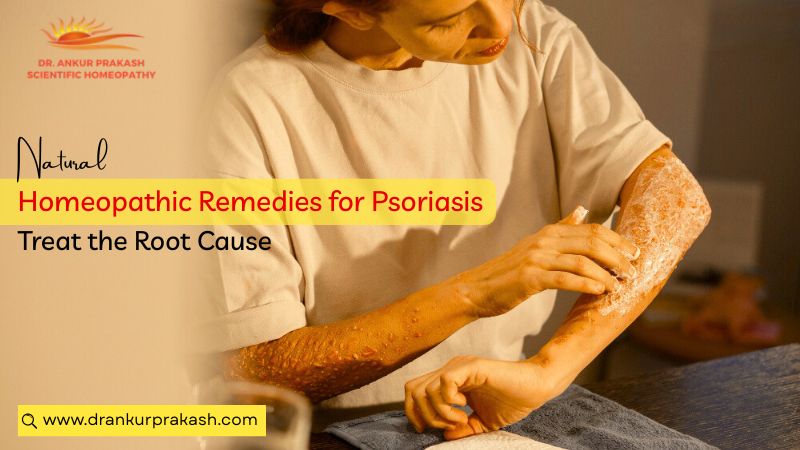

In India, conditions such as eczema, psoriasis, acne, fungal infections, urticaria, and chronic dermatitis commonly occur due to climate variations, pollution, dietary habits, stress, and changing lifestyles. These concerns often cause persistent irritation, discomfort, and visible changes that can affect confidence and daily activities. In many cases, repeated flare-ups indicate deeper internal imbalances rather than temporary external triggers, This pattern highlights the need for an approach that goes beyond short-term symptom relief and focuses on overall well-being.
At Dr. Ankur Prakash’s clinic, homeopathy is practiced with a personalized and holistic focus. The doctor plans treatment after understanding each individual’s constitution and triggers, supporting natural healing and long-term improvement in a safe and gentle manner.
Why Skin Diseases Are So Common in India?
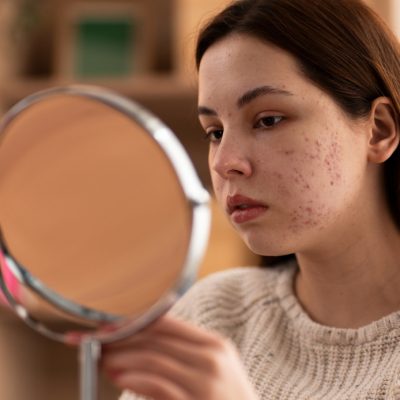
Skin problems are widely prevalent in India due to a combination of environmental, lifestyle, and internal health factors. Many people develop chronic or recurring concerns when treatment fails to address root causes.
Some of the most common contributing factors include:
Hot and humid weather: Excessive sweating creates an ideal environment for fungal and bacterial growth.
Increasing pollution: Dust, smoke, and airborne toxins weaken the body’s natural protective barrier.
Modern lifestyle patterns: Irregular sleep, poor hydration, and processed foods reduce the body’s ability to heal effectively.
Hormonal changes: Common during adolescence, pregnancy, or stress-related phases, often leading to breakouts and discoloration.
Reduced immunity: A weakened defense system makes individuals more prone to recurring infections and delayed recovery.
Emotional stress: Anxiety and mental pressure can trigger or aggravate long-standing conditions such as eczema or psoriasis.
Excessive use of chemical products: Long-term application of steroid-based creams or harsh cosmetics may suppress symptoms temporarily, but often leads to recurrence.
Because these issues tend to return after short-term relief, many individuals seek homeopathy for skin disease as a safer and more sustainable approach. Homeopathic care focuses on correcting internal imbalances, strengthening immunity, and supporting natural recovery without harmful side effects.
How Homeopathy Helps in Skin Diseases?
Homeopathy works on the principle of treating the person as a whole rather than suppressing skin symptoms. Instead of using topical steroids or harsh chemicals, homeopathic remedies stimulate the body’s natural healing response.
Key benefits include:
- Gentle and non-invasive treatment
- Suitable for long-term and chronic skin conditions
- Focus on root causes like immunity, digestion, and stress
- Safe for children and adults
When the best homeopathy doctor for skin disease prescribes these medicines, these medicines can help control flare-ups and reduce recurrence over time.
Most Effective Homeopathic Remedies for Common Skin Conditions
Experienced homeopaths select remedies based on individual symptoms for skin conditions, selected based on individual symptoms, body constitution, and overall health status. These medicines should always be taken under professional supervision for safe and effective results.
1. Sulphur
Often recommended for chronic dermal complaints marked by dryness, itching, or burning sensations. It is especially useful when discomfort worsens with heat or bathing.
2. Graphites
Used in conditions involving thickened, cracked, or oozing surface tissues, particularly around folds, behind the ears, and on the scalp. It is frequently considered for eczema-like presentations.
3. Natrum Muraticum
Suitable for oily complexions, acne, and pigmentation issues that tend to worsen due to emotional stress or hormonal changes.
4. Arsenicum Album
Practitioners prescribe this option for dry, scaly eruptions with intense itching or burning, especially when symptoms become more troublesome at night.
5. Rhus Toxicodendron
Helpful for allergic reactions, urticaria, and inflammatory conditions where itching improves with warmth or gentle movement.
6. Sepia
Often considered for concerns linked to hormonal imbalance, particularly in women experiencing discoloration or long-standing rashes.
7. Thuja Occidentalis
Commonly used for problems related to warts, fungal infections, and heightened immune sensitivity affecting the outer layer of the body.
8. Calcarea Carbonica
Prescribed for individuals prone to recurrent infections, excessive perspiration, and slow-healing dermal lesions.
These homeopathic remedies for skin problems are selected only after a detailed clinical evaluation, as no single medicine is suitable for every individual.
Common Skin Diseases Treated with Homeopathy
Homeopathy is commonly used in the management of:
- Acne and pimples
- Eczema and dermatitis
- Psoriasis
- Fungal infections
- Chronic itching and rashes
- Allergic skin conditions
- Pigmentation and dull skin
By strengthening immunity and correcting internal imbalances, homeopathic remedies support gradual and lasting improvement.
Importance of Personalized Treatment

Self-medication may provide temporary relief but often delays true recovery and can worsen existing symptoms. Consulting an experienced homeopath helps ensure that An experienced homeopath evaluates the condition, medical history, daily habits, medical history, daily habits, and emotional well-being. Dr. Ankur Prakash strongly emphasizes an individualized approach, which plays a vital role in achieving visible improvement and maintaining long-term healthy outcomes.
Consult the Skin Expert Today
Problems affecting the body’s outer surface may look minor at first, but they often point to deeper internal imbalances. With proper guidance, homeopathy for skin diseases offers a safe, effective, and long-term approach without harmful side effects.
If you are facing recurring or long-standing concerns, consulting Dr. Ankur Prakash, regarded as one of the best homeopathy doctors for skin diseases, can help you move toward healthier outcomes through natural and personalized care.