
Homeopathic Medicine for Mouth Ulcer
Homeopathic medicine for mouth ulcer is treatment chosen for the individual, not the ulcer — a homeopathic doctor matches a remedy to your specific symptoms, health history, and likely triggers rather than prescribing the same thing to everyone. It can ease pain, support healing, and reduce how often ulcers return, but persistent, severe, or frequently recurring ulcers should still be evaluated by a doctor to rule out an underlying condition.
This guide covers what causes mouth ulcers, the different types, how to prevent them, the homeopathic remedies commonly used, and when to see a doctor instead of treating it yourself. It also draws on the approach used at Dr. Ankur Prakash’s Homeopathy Clinic in Agra, where recurring mouth ulcers are one of the more common complaints patients bring in.
What Is a Mouth Ulcer?
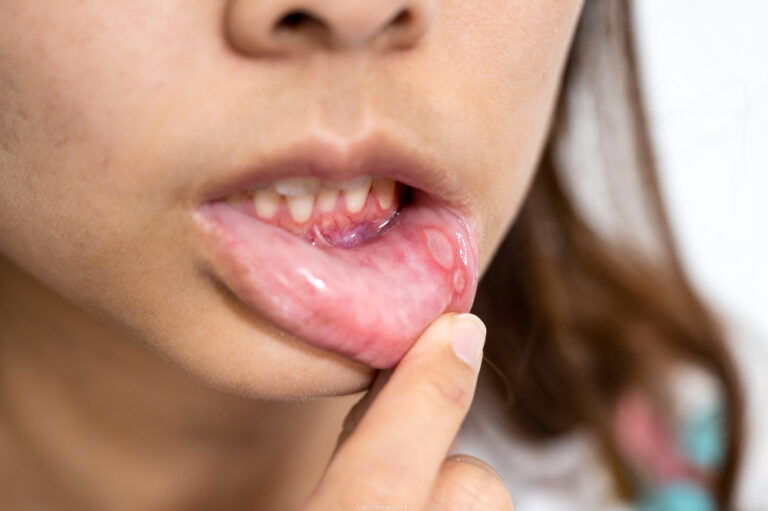
A mouth ulcer is a small, painful open sore on the soft tissue inside the mouth — usually the tongue, inner cheeks, lips, or gums. Most heal on their own in 7 to 14 days without scarring. An ulcer that’s unusually large, lasts past two weeks, or keeps coming back can point to an underlying cause and should be checked by a doctor. Mouth ulcers are not the same as cold sores and are not contagious.
Types of Mouth Ulcers
Mouth ulcers fall into three main types — minor, major, and herpetiform — and the type affects both how long healing takes and whether you need a doctor’s input.
Minor Ulcers
Minor ulcers are the most common type: small, round or oval sores that heal within one to two weeks without scarring. They’re painful but usually don’t need treatment beyond basic care.
Major Ulcers
Major ulcers are larger, deeper, and more painful, and can take several weeks to heal, sometimes leaving scars. Repeated major ulcers warrant a doctor’s check for nutritional deficiencies or immune-related causes.
Herpetiform Ulcers
Herpetiform ulcers are clusters of many tiny sores that can merge into one larger ulcer. Despite the name, they aren’t caused by the herpes virus, but they can be more painful and more prone to recurring than the other types.
Symptoms of Mouth Ulcers
The main symptom is a painful sore inside the mouth, often with redness, swelling, and a burning or tingling feeling before the ulcer even appears. Symptoms vary with the ulcer’s size, location, and cause.
Painful Mouth Sores
The most noticeable symptom is a painful sore inside the mouth. The pain often becomes more intense while eating spicy, salty, acidic, or hot foods.
Burning or Tingling Sensation
Many people experience a mild tingling or burning feeling one or two days before the ulcer becomes visible. This can serve as an early sign of an upcoming ulcer.
White or Yellow Centre with a Red Border
Most mouth ulcers have a white, yellow, or grey center surrounded by a red, inflamed edge. This characteristic appearance helps distinguish them from other oral conditions.
Redness and Swelling
The surrounding tissue often becomes red, swollen, and sensitive to touch. Brushing teeth or eating rough-textured foods may temporarily worsen the discomfort.
Difficulty Eating, Drinking, or Speaking
Depending on where the ulcer develops, routine activities such as chewing, swallowing, talking, or brushing teeth may become uncomfortable until the sore heals.
Increased Sensitivity
Spicy foods, citrus fruits, salty snacks, and very hot beverages may further irritate the ulcer and increase pain.
Less Common Symptoms
In some cases, particularly when mouth ulcers are severe or associated with an underlying illness, a person may also experience:
- Mild fever
- Swollen lymph nodes
- Fatigue
- General discomfort
If these symptoms occur along with persistent mouth ulcers, medical assessment is recommended.
What Causes Mouth Ulcers?
Mouth ulcers can develop due to several factors, including minor injuries, stress, nutritional deficiencies, hormonal changes, certain foods, medications, digestive disorders, and immune-related conditions. Identifying the underlying cause can help reduce recurrence and guide appropriate treatment.
Minor Injuries Inside the Mouth
Everyday injuries are one of the most common reasons for mouth ulcers. These may include:
- Accidentally biting the inside of the cheek or tongue
- Aggressive tooth brushing
- Sharp or broken teeth
- Poorly fitting dentures
- Dental braces or appliances
- Burns from hot food or beverages
These injuries usually heal on their own but may trigger painful ulcers in sensitive individuals.
Stress and Emotional Factors
Emotional stress and anxiety are common triggers for recurrent mouth ulcers. High stress levels may affect the body’s immune response and slow the healing process.
Practicing relaxation techniques such as meditation, yoga, or deep breathing may help reduce stress-related flare-ups.
Nutritional Deficiencies
A lack of essential nutrients can increase the likelihood of developing recurrent mouth ulcers. Deficiencies commonly associated with oral ulcers include:
- Vitamin B12
- Iron
- Folic acid
- Zinc
If mouth ulcers occur frequently, a healthcare professional may recommend appropriate nutritional assessment.
Hormonal Changes
Hormonal fluctuations during menstruation, pregnancy, or menopause may increase the risk of developing mouth ulcers in some individuals.
Food-Related Triggers
Certain foods may irritate the sensitive lining of the mouth and trigger ulcers, particularly in susceptible individuals.
Common dietary triggers include:
- Spicy foods
- Citrus fruits
- Acidic beverages
- Very salty foods
- Extremely hot foods or drinks
- Foods with rough or sharp textures
Keeping a food diary may help identify personal triggers.
Underlying Medical Conditions
Persistent or recurring mouth ulcers can sometimes be associated with medical conditions such as:
- Celiac disease
- Crohn’s disease
- Ulcerative colitis
- Behçet’s disease
- Immune system disorders
- Viral or bacterial infections
If ulcers last longer than two weeks or occur repeatedly, professional evaluation is important to rule out underlying health concerns.
Certain Medications
Some medications may contribute to mouth ulcers by causing dry mouth or irritating the oral lining. Never stop prescribed medication without consulting your healthcare provider.
Poor Oral Hygiene
Inadequate oral hygiene can increase bacterial buildup and irritation inside the mouth, making ulcers more likely to develop. Regular brushing, flossing, and routine dental check-ups can help maintain good oral health.
How to Prevent Mouth Ulcers
You can’t prevent mouth ulcers entirely, but good oral hygiene, a nutrient-rich diet, stress management, and avoiding known triggers reduce how often they occur.
Maintain oral hygiene — Brush twice daily with a soft-bristled brush, floss regularly, and use a gentle mouthwash if your dentist recommends it.
Eat a nutrient-rich diet — Include leafy greens, whole grains, dairy, and lean protein to cover B12, iron, folic acid, and zinc.
Avoid your food triggers — Cut back on spicy, acidic, salty, or very hot foods if they reliably set off your ulcers.
Manage stress — Regular exercise, meditation, or deep breathing lowers stress-related flare-ups.
Prevent mouth injuries — Use a soft toothbrush, chew carefully, and get ill-fitting dentures, braces, or sharp teeth fixed promptly.
Homeopathic Medicine for Mouth Ulcer
Homeopathic medicine for mouth ulcer treats the person, not just the sore — a remedy is selected based on your full symptom picture, general health, stress levels, and history of recurrence, with the goal of reducing how often ulcers happen, not just easing the current one.
Because of this, two people with what looks like the same ulcer can get different remedies. It’s a gentle approach generally considered suitable across age groups, but it should be guided by a qualified homeopathic practitioner, especially for ulcers that are frequent, severe, or long-standing.
Homeopathic Remedies Commonly Used for Mouth Ulcers
Remedy choice depends on the individual case, but these are commonly considered by homeopathic practitioners:
- Borax — For ulcers triggered by sour or salty food, with tenderness severe enough that light contact hurts.
- Merc Sol (Mercurius Solubilis) — For inflamed, burning ulcers with excess salivation or bad breath.
- Nitric Acid — For sharp, splinter-like pain, ulcers that bleed easily, or cracking at the corners of the mouth.
- Arsenicum Album — For burning ulcers with restlessness or anxiety, better with warmth.
- Natrum Mur — For ulcers linked to emotional stress, with a dry mouth and sensitivity to salty or sour food.
- Sulphur — For ulcers that are part of a broader relapsing pattern, sometimes alongside skin or digestive issues.
- Kali Iodatum — For ulcers with marked swelling and inflammation.
This is general information, not a self-prescribing guide — potency and dosage depend on a full case history taken by a qualified homeopathic doctor.
How Homeopathy Helps with Mouth Ulcers
A well-matched homeopathic remedy can support natural healing, reduce pain and irritation, and address the underlying triggers behind recurring ulcers, rather than just numbing the current sore.
Depending on the case, it may help:
- Support the body’s natural healing process
- Reduce pain and irritation
- Make eating and speaking more comfortable
- Address triggers behind recurrent ulcers
- Support long-term oral health as part of a personalized plan
Results vary by person, which is expected with individualized treatment. Severe ulcers, or ones with fever, weight loss, or difficulty swallowing, need prompt medical evaluation — not homeopathy alone.

Benefits of Homeopathic Treatment for Mouth Ulcers
The main benefit is individualization: treatment is matched to your symptoms and health, not applied as a standard protocol. Other benefits include:
- A gentle approach suitable across age groups, under professional guidance
- A focus on the factors driving recurrence, not just the visible ulcer
- Support for long-term oral health alongside lifestyle changes
- Minimal risk of side effects when prescribed correctly
Homeopathy complements medical care — it shouldn’t replace it, especially for persistent, recurrent, or medically linked ulcers.
Supportive Care for an Active Ulcer
Supportive care won’t cure a mouth ulcer, but it reduces pain and speeds comfort while it heals.
Stay hydrated — Keeps the mouth moist and reduces irritation.
Choose soft foods — Easier to eat, less likely to aggravate the ulcer.
Avoid tobacco and alcohol — Both slow healing and increase irritation.
Keep up oral hygiene — Brush gently rather than stopping, to avoid secondary infection.
Use OTC gels as directed — They ease discomfort but don’t treat the underlying cause.
Common Mouth Ulcer Gels and Creams
Orajel® Mouth Sore Gel, Anbesol® Oral Pain Relief Gel, Canker-X® Mouth Sore Gel, Ora Sore Gel, and AphtoFix® Mouth Ulcer Cream are commonly used for temporary relief. Read the label and check with a doctor if symptoms persist or worsen.
When Should You See a Doctor?
See a doctor if a mouth ulcer lasts longer than two weeks, keeps recurring, or comes with other symptoms — most resolve on their own within one to two weeks. Specifically, get evaluated for:
- Ulcers lasting longer than two weeks
- Frequent or recurring ulcers
- Severe pain that interferes with eating or drinking
- Fever or swollen lymph nodes
- Difficulty swallowing
- Unexplained weight loss
- Multiple ulcers at once
These can indicate a nutritional deficiency, infection, or autoimmune condition that needs proper diagnosis.
Conclusion
Most mouth ulcers heal on their own within two weeks. Frequent or persistent ones are worth investigating, since they’re often a sign of a nutritional gap, ongoing stress, or a digestive or immune issue.
Homeopathic medicine for mouth ulcer treats that underlying picture, not just the sore, using a remedy matched to your specific symptoms. Paired with good oral hygiene, a nutrient-rich diet, and awareness of your personal triggers, it can reduce both discomfort and how often ulcers return. If yours last past two weeks, recur often, or come with other symptoms, get it evaluated by a qualified professional.
Book a Consultation
If mouth ulcers keep coming back, a proper case evaluation is more useful than repeated rounds of gels and rinses. Dr. Ankur Prakash’s Homeopathy Clinic in Agra offers personalized consultations to identify the cause and build a treatment plan around your symptoms. To get started.
Frequently Asked Questions (FAQs)
Can homeopathy help treat mouth ulcers?
Yes — homeopathic treatment is individualized and aims to support natural healing while addressing what’s causing the ulcers to recur. It should be prescribed by a qualified homeopathic practitioner, since the right remedy depends on the person.
How long do mouth ulcers usually take to heal?
Most minor ulcers heal within 7 to 14 days. Ulcers lasting beyond two weeks or recurring frequently should be evaluated by a doctor.
What are the common causes of mouth ulcers?
Stress, minor mouth injuries, deficiencies in vitamin B12, iron, folic acid, or zinc, hormonal changes, spicy or acidic foods, certain medications, and digestive or immune-related conditions.
Are mouth ulcers contagious?
No. Mouth ulcers can’t spread from person to person. Cold sores, caused by the herpes simplex virus, are different and can spread.
Can stress cause mouth ulcers?
Yes. Stress is a common trigger for recurrent mouth ulcers, and managing it can reduce flare-ups.
What foods should I avoid with a mouth ulcer?
Spicy foods, citrus fruits, very hot food or drinks, salty snacks, and acidic drinks. Soft, mild foods are more comfortable while it heals.
Which homeopathic remedies are commonly used for mouth ulcers?
Borax, Merc Sol, Nitric Acid, Arsenicum Album, Natrum Mur, Sulphur, and Kali Iodatum are commonly considered, chosen based on individual symptoms by a qualified homeopathic doctor.
When should I see a doctor for a mouth ulcer?
If it lasts more than two weeks, keeps recurring, is unusually large or painful, interferes with eating or drinking, or comes with fever, swollen lymph nodes, or unexplained weight loss.
Why Choose Dr. Ankur Prakash for Homeopathic Treatment in Agra
Dr. Ankur Prakash has years of experience treating acute and chronic conditions, including recurring mouth ulcers, for patients across Agra, with treatment plans built around each patient’s history, symptoms, and overall health.
At Dr. Ankur Prakash’s Homeopathy Clinic, care goes beyond the current flare-up — every case is assessed holistically to identify what’s driving recurrence, with an emphasis on ethical practice, evidence-informed care, and consultations that leave patients genuinely informed.
If recurring mouth ulcers have become a regular problem, a consultation with a qualified homeopathic doctor is the most reliable way to find the cause and the right treatment.
Medical Disclaimer
This article is intended for educational purposes only and should not be considered medical advice. Homeopathic treatment should always be taken under the supervision of a qualified healthcare professional. If your mouth ulcers are severe, persistent, recurrent, or accompanied by other concerning symptoms, consult your doctor for proper diagnosis and treatment.