

A high TSH (Thyroid Stimulating Hormone) level usually indicates an underactive thyroid, known as hypothyroidism. This happens when the thyroid does not produce enough hormones, causing the pituitary gland to release more TSH to stimulate it. Common symptoms include fatigue, weight gain, cold intolerance, hair thinning, dry skin, mood changes, and menstrual irregularities. Timely diagnosis and proper management are important to avoid long-term complications.
What Is Thyroid-Stimulating Hormone?
The pituitary gland produces a hormone that signals the neck gland to release T3 (Triiodothyronine) The pituitary gland makes a hormone that tells the neck gland to release T3 (Triiodothyronine) and T4 (Thyroxine). These hormones are important for energy, metabolism, and keeping the body’s systems balanced. When hormone levels are low, the pituitary sends stronger signals to the gland. Higher-than-normal signals mean the gland is not working as well as it should.
- Helps keep energy and metabolism steady
- Supports overall hormonal balance
- Affects digestion, heart function, and body temperature
Early care, including Homeopathic Treatment for Thyroid, can support natural balance and long-term health.
Common Causes of High TSH Levels
Higher-than-normal pituitary signals usually occur when the gland is not producing enough hormones or the body’s balance is disrupted. Understanding the causes can guide effective management. Common factors include:
- Underactive gland (Hypothyroidism): Produces fewer hormones than needed, triggering stronger signals.
- Autoimmune conditions (Hashimoto’s thyroiditis): The immune system gradually affects gland function.
- Surgery or radiation therapy: Procedures affecting the neck gland may reduce its hormone output.
- Iodine imbalance: Both deficiency and excess can interfere with hormone production.
- Certain medications: Some drugs affect hormone levels and signaling.
- Chronic stress or hormonal imbalance: Lifestyle and other hormones can influence gland activity and energy regulation.
Identifying the root cause is crucial for lasting results, as it addresses the underlying issue rather than just alleviating symptoms.
Symptoms of High TSH Levels
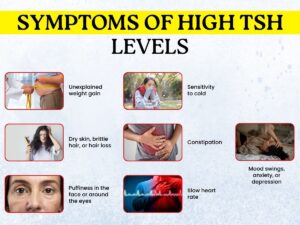
Elevated pituitary signals develop gradually, so signs can be subtle and easy to miss. Early detection is important for timely management. Common indications include:
- Persistent fatigue: Feeling tired throughout the day, struggling with normal activities.
- Unexplained weight gain: Occurs even with regular diet and exercise due to slower metabolism.
- Cold sensitivity: Feeling unusually cold, even in mild temperatures.
- Hair thinning or hair loss: Hair becomes brittle and may fall excessively.
- Dry skin and brittle nails: Skin may become rough, and nails may break easily.
- Constipation: Slower digestion leads to irregular bowel movements.
- Mood changes or low motivation: Hormonal imbalance can affect emotional health.
- Irregular menstrual cycles: Skipped, heavy, or inconsistent periods in women.
The intensity and combination of these signs vary depending on age, lifestyle, and overall health. Recognizing even mild symptoms allows for early intervention and improved long-term outcomes.
How Is High TSH Measured?
Levels are checked through a simple blood test reported in milli-international units per liter (mIU/L). Results indicate how well the gland is functioning:
- Normal range (0.4 – 4.0 mIU/L): Indicates healthy gland function and adequate hormone levels.
- Mildly elevated (4.1 – 10 mIU/L): Suggests early underactivity; symptoms may be mild or unnoticed.
- Significantly high (Above 10 mIU/L): Considered a dangerously high level and indicates the gland is struggling, which can cause fatigue, weight gain, and other complications if untreated.
Regular testing and monitoring help track changes over time, allowing early intervention and better management of overall health.
Normal TSH Levels During Pregnancy
During pregnancy, hormone balance is crucial for fetal growth and maternal health. Normal pituitary signaling varies by trimester:
- First trimester (0.1–2.5 mIU/L): Lower hormone levels support early brain and organ development.
- Second trimester (0.2–3.0 mIU/L): Hormone production stabilizes as the baby grows.
- Third trimester (0.3–3.0 mIU/L): Balanced levels maintain maternal energy and support final growth stages.
High levels during pregnancy should be monitored carefully to prevent complications for both mother and baby.
How Homeopathy Can Help in High TSH Levels?
Homeopathy treats the individual holistically rather than focusing solely on lab results. It aims to naturally support the gland and restore balance. Remedies are selected based on physical symptoms, emotional well-being, lifestyle habits, and family health history. This personalized approach targets the underlying cause instead of only managing symptoms, making treatment more effective and safe.
Benefits of Homeopathic Treatment
Homeopathy takes a natural and holistic approach to support the body in restoring balance. Its benefits include:
- Supports gland function naturally: Encourages proper hormone production without forcing the body.
- Gradual hormone regulation: Restores balance slowly, avoiding sudden fluctuations.
- Boosts energy and metabolism: Reduces fatigue and supports normal body functions.
- Alleviates common symptoms: Helps with weight gain, tiredness, and sluggishness.
- Safe for long-term use: Gentle remedies with no risk of dependency.
- Enhances immunity and overall balance: Supports body defenses and stable hormone levels.
While homeopathy does not replace emergency care, it is an effective supportive therapy when used under professional guidance.
Diet Tips to Support Hormone Health
What you eat plays an important role in supporting the gland and maintaining healthy hormone levels. A balanced diet can work alongside homeopathic treatment to improve overall outcomes.
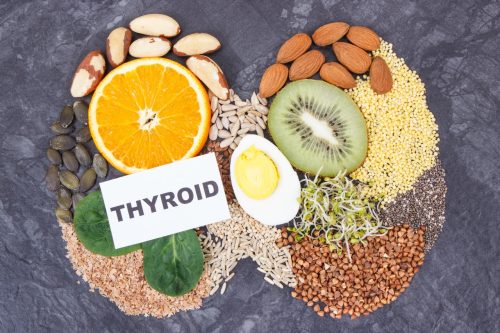
- Include iodine-rich foods in moderation: Iodine is essential for hormone production, but too much or too little can affect gland function.
- Add selenium sources such as nuts and seeds: Selenium supports hormone conversion and helps maintain healthy gland activity.
- Eat fresh fruits and vegetables: These provide vitamins, minerals, and antioxidants that support metabolism and overall health.
- Avoid excessive processed and junk foods: Highly processed foods can interfere with hormone balance and contribute to weight gain.
- Maintain regular meal timings: Consistent meals help regulate metabolism and keep energy levels stable throughout the day.
Following these dietary tips complements Homeopathic Treatment for Thyroid and supports better hormonal balance, energy, and overall well-being.
Lifestyle Support Along With Homeopathy
For better results, homeopathic treatment works best when combined with healthy lifestyle habits:
- Balanced nutrition: Include foods with adequate iodine and selenium to support hormone balance.
- Regular physical activity: Exercise helps boost metabolism and energy levels.
- Stress management: Practices like yoga or meditation reduce stress, which can affect hormone function.
- Proper sleep routines: Adequate rest supports overall health and hormonal balance.
- Avoid excessive processed foods: Limiting junk foods helps maintain stable energy and metabolism.
These healthy habits enhance the body’s response to treatment and support long-term hormonal stability.
FAQs
What is a dangerously high level of TSH?
The level above 10 mIU/L is considered a dangerously high TSH level and may indicate overt hypothyroidism. Such levels increase the risk of fatigue, weight gain, high cholesterol, and heart-related complications. Persistent elevation should always be evaluated by a healthcare professional.
What to eat and not to eat in hypothyroidism?
A thyroid-supportive diet can help manage symptoms. Include iodine-rich foods, selenium sources like nuts and seeds, fresh fruits, vegetables, whole grains, and lean proteins. Limit processed, sugary, fried foods, large amounts of soy, and raw cruciferous vegetables if advised by a doctor. A balanced diet supports thyroid function but does not replace medical treatment.
Can high TSH cause strokes?
High TSH levels do not directly cause a stroke. However, untreated hypothyroidism can increase the risk of high cholesterol, high blood pressure, and heart disease, which may raise stroke risk over time. Proper treatment and monitoring help reduce these risks.
Can diet alone reduce dangerously high TSH levels?
Diet plays an important supportive role but cannot alone correct dangerously high levels. While healthy eating supports thyroid function, medical or holistic treatment is usually required to address the underlying hormonal imbalance.
Conclusion
A high hormone level is a clear sign that the thyroid needs attention. While conventional treatments focus mainly on hormone replacement, Homeopathic Treatment by Dr. Ankur Prakash in Agra offers a natural and holistic approach by addressing the root cause and supporting the body’s self-healing ability. With proper guidance, lifestyle adjustments, and individualized remedies, homeopathy can play a valuable role in restoring balance and improving overall quality of life.