
Erythrocyte Sedimentation Rate (ESR) is a common blood test that helps detect inflammation in the body. In cancer patients, an elevated ESR level may indicate the presence or progression of malignancy, although it is not specific to cancer alone. This article explores what ESR is, why it is important in the context of cancer, and what elevated levels might suggest. Additionally, it offers insights into how patients and caregivers can manage or potentially lower ESR through lifestyle changes, medical interventions, and routine monitoring. For those seeking gentle supportive care, cancer treatment in homeopathy may also help improve overall well-being during the healing journey. Understanding and addressing ESR levels can contribute to more informed treatment decisions and better overall health outcomes for cancer patients.
What are Normal and Abnormal ESR Levels?
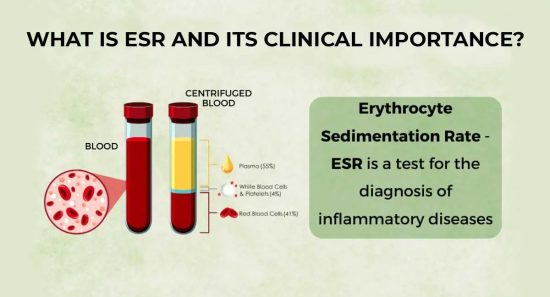
The ESR level in blood measures how quickly red blood cells settle at the bottom of a test tube in one hour. The faster the cells settle, the higher the ESR and the greater the inflammation in the body.
Factors Affecting ESR Levels:
Several natural and medical factors can influence ESR readings in the body. Understanding these helps in interpreting test results more accurately. ESR may vary based on age, biological differences, and certain health conditions, and it often rises when the body is fighting inflammation or infection. Below are the key factors that commonly impact ESR levels:
- Age: Older individuals naturally have higher ESR values.
- Sex: Women generally have slightly higher ESR levels than men.
- Pregnancy: ESR rises significantly due to hormonal and physiological changes.
- Infections and Chronic Diseases: These can temporarily or permanently raise ESR.
When high ESR levels are detected, especially in the absence of infection or known inflammation, it may signal something more serious, like autoimmune disease or cancer.
What is The Normal ESR Range?
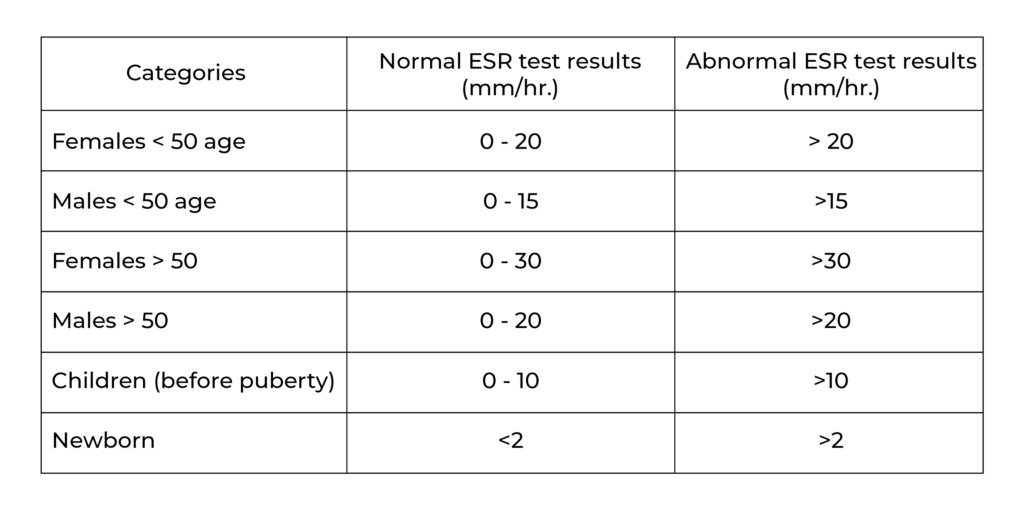
Knowing the normal ESR levels helps in evaluating whether the current reading is cause for concern. Here is a typical reference range:
Age/Sex | Normal ESR (mm/hr) |
Men (under 50) | 0–15 |
Women (under 50) | 0–20 |
Men (over 50) | 0–20 |
Women (over 50) | 0–30 |
Children | 0–10 |
Note: Slight variations are possible depending on the lab and methodology used.
ESR Levels and Cancer Types
Although high ESR levels are not exclusive to cancer, persistently elevated values can indicate malignancy. Different types of cancer affect ESR in varying ways.
Cancers Commonly Associated with High ESR:
- Hodgkin’s Lymphoma: ESR can be dramatically elevated, often used for disease monitoring.
- Multiple Myeloma: Almost always shows a raised ESR due to the presence of abnormal proteins in the blood.
- Breast and Lung Cancer: May cause ESR to rise, especially in advanced stages.
- Colorectal Cancer: A progressive increase in ESR might indicate tumor activity or metastasis.
- Leukemia: ESR can be raised during active disease or relapse.
Understanding the ESR level in cancer patients provides insight into the body’s inflammatory burden, which is important for disease tracking and management.
What is the ESR Level in Cancer Patients?
In patients diagnosed with cancer, ESR is usually elevated. This happens because:
- Tumors can stimulate the immune system to release inflammatory chemicals.
- Cancers that produce proteins (like multiple myeloma) increase blood viscosity, leading to higher ESR.
- ESR is sometimes used as a prognostic marker—higher levels might correlate with more aggressive disease or poor prognosis.
However, ESR alone is not a diagnostic marker for cancer. It is used in conjunction with imaging, biopsy, and other blood tests.

How is ESR Used in Cancer Diagnosis?
The use of ESR in cancer diagnosis is more supportive than definitive. Here’s how it is typically applied:
Diagnostic Uses of ESR:
- Initial assessment of unexplained weight loss, fatigue, or fever.
- Monitoring disease progression in known cancer patients.
- Assessing response to treatment such as chemotherapy or radiotherapy.
- Detecting recurrence in cancers with a history of inflammation.
Elevated ESR level in blood can guide physicians to conduct more specific investigations like PET scans, tumor markers (e.g., CEA, CA-125), and biopsies.
Limitations of ESR in Cancer Diagnosis
Although ESR can be useful, it has certain drawbacks:
- Non-specific: High ESR can be caused by many non-cancerous conditions such as arthritis, infection, or anemia.
- Can be falsely normal: Some cancers don’t produce inflammation, leading to normal ESR levels even in advanced stages.
- Sensitive to external factors: Medications, pregnancy, or menstruation can influence ESR readings.
This is why ESR should never be used in isolation to diagnose or exclude cancer.
How to Control ESR Level?
Controlling ESR levels starts with addressing the root cause of inflammation in the body. High ESR can occur due to infection, chronic inflammation, or medical conditions, including esr level in cancer. Making healthy lifestyle changes, improving immunity, and managing underlying diseases can help bring ESR back to normal. Here are some effective steps: 6 Effective Ways to Control ESR Level.
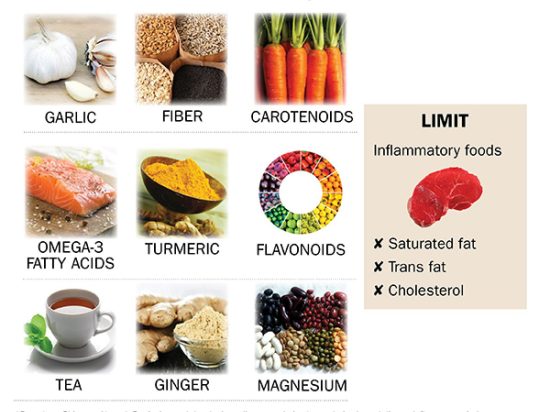
- Eat Anti-Inflammatory Foods
Include turmeric, ginger, leafy greens, berries, and omega-3-rich foods like flaxseed and walnuts to reduce inflammation naturally. - Stay Hydrated
Drinking enough water helps the body flush toxins and maintain healthy blood circulation. - Exercise Regularly
Light to moderate activity such as walking, yoga, or stretching lowers inflammation and supports overall health. - Manage Stress
Deep breathing, meditation, and adequate sleep help reduce stress-related inflammation. - Treat Underlying Infections
Cold, flu, or bacterial infections can raise ESR. Timely treatment helps bring levels down. - Follow Medical Guidance
If ESR remains high, especially for a long time, consult a doctor for proper diagnosis and treatment based on your condition.
Take Action Now for Better Cancer Management
If you are concerned about a high esr level in cancer or need expert medical guidance, consult an experienced oncology doctor in Agra for proper evaluation and personalised care. With supportive options like homeopathy treatment for cancer, you can receive holistic guidance for better well-being. Take the next step toward better health—schedule your consultation today.