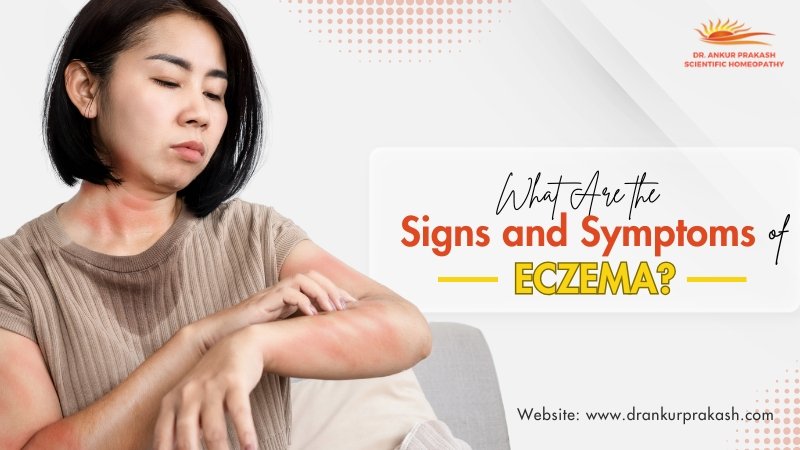
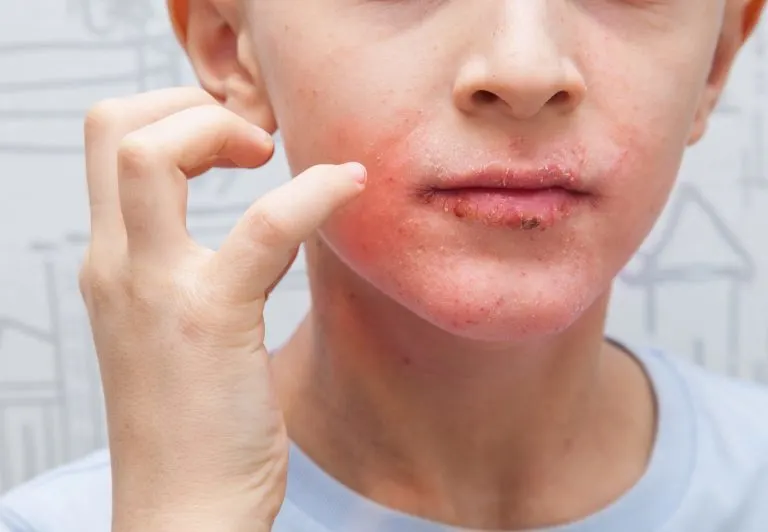
Eczema, also known as atopic dermatitis, is a chronic inflammatory skin condition that causes the skin to become dry, itchy, red, and irritated. The signs and symptoms can vary from person to person but often include persistent itching, rough or scaly patches, swelling, and small bumps that may leak fluid when scratched. In more severe cases, the skin can become thickened, cracked, and painful. Eczema commonly appears on the hands, face, neck, inner elbows, and behind the knees, but it can affect any part of the body.
Symptoms may flare up due to triggers like allergens, harsh soaps, weather changes, or stress. Early recognition and treatment, including Homeopathy Treatment for Eczema, are important to prevent complications and improve quality of life.
What Is Eczema?
Eczema (also called atopic dermatitis) is a condition that causes inflammation and irritation of the skin. It can range from mild to severe and is often characterized by dry, red, itchy patches on the skin.
- Chronic in Nature: Eczema is not just a one-time issue—it tends to come and go.
- Non-contagious: You cannot catch eczema from someone else.
- Often Starts Early: Many cases begin in infancy or childhood but can continue into adulthood.
If you’ve ever wondered what eczema is, think of it as a signal from your immune system that your skin barrier is weak and vulnerable to external irritants.

Why Does Eczema Happen?
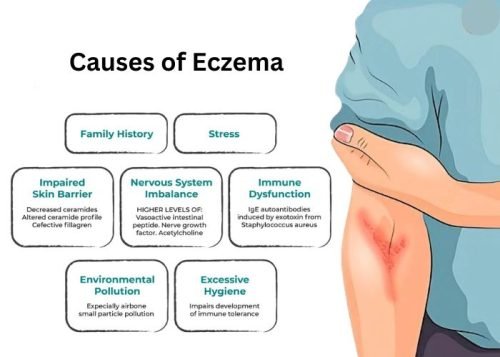
Understanding why does eczema happen helps in long-term management. It usually results from a combination of:
- Genetic Factors: Eczema often runs in families.
- Immune System Overreaction: Your body may overreact to irritants and allergens.
- Skin Barrier Dysfunction: A compromised skin barrier allows moisture out and irritants in.
- Environmental Triggers: Things like soaps, chemicals, fabrics, or weather can cause flare-ups.
- Emotional Stress: Anxiety or emotional stress can trigger or worsen symptoms.
In short, eczema happens when your skin’s natural defenses are not strong enough to protect against allergens or irritants.
Causes of Eczema
There’s no single cause behind eczema, but several internal and external factors increase the risk of developing or worsening it. Understanding these common triggers and risk factors can help in better prevention and long-term management.
- Allergies and Asthma: People with a personal or family history of allergic conditions—like asthma, hay fever, or food allergies—are more likely to develop eczema.
- Genetics: If one or both parents have eczema or other atopic conditions, children are at a significantly higher risk.
- Weather Extremes: Sudden temperature changes, dry winter air, or hot and humid climates can dry out or irritate the skin.
- Chemical Exposure: Contact with harsh soaps, detergents, shampoos, cleaning agents, or synthetic fabrics can weaken the skin barrier.
- Dietary Triggers: Certain foods—especially dairy, nuts, soy, wheat, and eggs—can trigger or worsen eczema symptoms, particularly in children.
Learning the causes of eczema can help you avoid triggers and prevent frequent flare-ups.
Types of Eczema
Eczema is not a one-size-fits-all condition. It comes in various forms, each with unique triggers, symptoms, and treatment approaches. Understanding the different types of eczema is essential to managing your symptoms more effectively and preventing frequent flare-ups.
- Atopic Dermatitis: It’s often linked to a family history of allergies, asthma, or hay fever. Symptoms include dry, itchy, and inflamed skin—commonly on the face, neck, inside of elbows, and behind knees.
- Contact Dermatitis: There are two types: Irritant Contact Dermatitis (caused by chemicals, soaps, or cleaning products) and Allergic Contact Dermatitis (triggered by substances like nickel, fragrances, or latex).
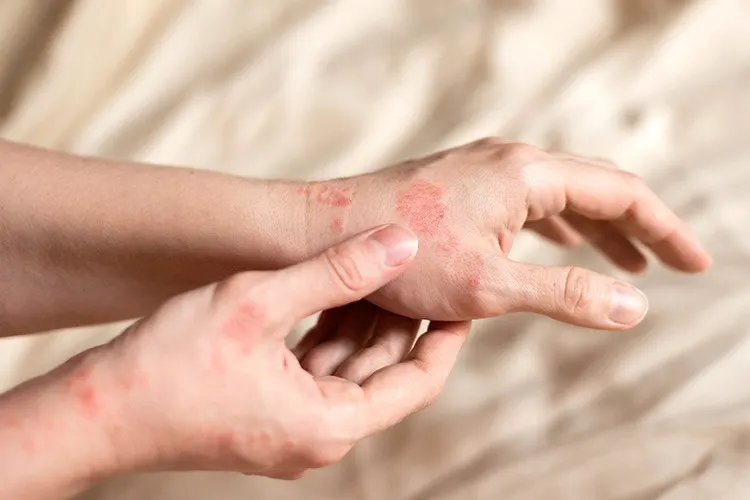
- Nummular Eczema: Also known as discoid eczema, this form presents as round, coin-shaped patches of irritated skin. These lesions may be itchy, dry, oozing, or crusty, and they can appear on the arms, legs, or torso..
- Dyshidrotic Eczema: Dyshidrotic eczema leads to small, intensely itchy blisters on the palms, sides of the fingers, and soles of the feet. The blisters may be filled with fluid and can be painful or cause a burning sensation.
- Seborrheic Dermatitis: This form primarily affects areas of the skin with more oil glands, such as the scalp, face, eyebrows, and upper chest. It causes red, scaly patches with greasy or yellowish flakes—commonly known as dandruff on the scalp
- Stasis Dermatitis: Also known as venous eczema, this type typically affects the lower legs in older adults, especially those with poor blood circulation or varicose veins. Swelling, heaviness, itchiness, and discoloration are common symptoms. Over time, the skin may become thin, shiny, and prone to ulcers.
Each type of eczema requires a different approach for treatment and care.

Symptoms of Eczema
The symptoms of eczema may differ based on age, skin type, eczema type, and the severity of the condition. Some people experience mild dryness, while others may suffer from painful, itchy rashes that interrupt sleep and daily life.
- Dry, Flaky Skin
Eczema often begins with dry, rough, and scaly skin that lacks natural moisture.This dryness can lead to cracking, bleeding, and increased skin sensitivity over time. - Intense Itching, Especially at Night
Persistent itching is one of the most common and frustrating symptoms of eczema. It often becomes worse at night, disturbing sleep and causing emotional distress. - Red or Inflamed Patches
The skin may appear red, irritated, swollen, and warm to the touch during flare-ups.These inflamed patches indicate active inflammation caused by immune overreaction. - Small, Fluid-Filled Bumps
Tiny blisters may appear on the skin, which can leak clear fluid and form scabs.
These bumps are usually itchy and may become infected if scratched repeatedly. - Thickened or Cracked Skin
Chronic scratching leads to thickened, rough, or leathery skin, known as lichenification.
Cracks in the skin may form, increasing the risk of pain and secondary infections. - Dark Patches or Discoloration
Eczema can cause skin discoloration, especially in people with darker skin tones.
The area may appear darker or lighter even after the active symptoms fade. - Burning or Stinging Sensation
Affected skin may feel sore, raw, or have a burning sensation when touched.
This symptom often worsens with sweat, hot water, or harsh skincare products.
In babies, eczema often appears on the cheeks and scalp, while adults may experience it on the hands, knees, or inside of the elbows.

Homeopathy Treatment for Eczema
Homeopathy offers a holistic and long-term approach to managing eczema by treating the root cause rather than just the symptoms. Unlike conventional treatments that rely on steroids or chemical-based ointments, homeopathy uses natural remedies tailored to the individual’s physical and emotional state.
It focuses on boosting the body’s self-healing power, restoring the skin’s balance from within. This form of treatment is especially helpful for chronic eczema, where emotional triggers like stress or past allergic reactions are involved.
Homeopathy Medicines for Eczema
Here are some widely used homeopathic medicines for eczema, each selected based on specific symptoms and patient history:
- Graphites
Effective for dry, cracked skin that oozes a sticky fluid. Works well when eczema affects folds of skin, such as behind the ears, knees, and elbows. - Sulphur
One of the most commonly prescribed medicines for itchy, burning eczema, especially when symptoms worsen from scratching and bathing. - Rhus Toxicodendron
Helps relieve blister-like eczema with intense itching, particularly when the itching worsens in cold, damp weather. - Mezereum
Useful for eczema with thick crusts and discharge, especially when it affects the scalp and causes intense burning or sensitivity. - Calcarea Carbonica
Recommended for people who are chilly, overweight, and suffer from recurring eczema with thick, scaly patches. - Arsenicum Album
Best for eczema with dry, rough, and burning skin, especially in anxious individuals who feel worse at night.
While these medicines are effective, self-medication is not advised. Homeopathy works best when prescribed after a detailed consultation that includes your physical, emotional, and lifestyle profile.
How to Get Rid of Eczema
There is no permanent cure, but eczema can be managed effectively. If you’re searching how to get rid of eczema, here are proven strategies:
Daily Skin Care:
- Use gentle, fragrance-free moisturizers multiple times a day.
- Bathe with lukewarm water using mild, soap-free cleansers.
- Apply moisturizer within 3 minutes after bathing to lock in moisture.
Avoid Triggers:
- Identify and eliminate food or environmental triggers.
- Wear soft, breathable cotton clothing.
- Use hypoallergenic laundry detergents.
Natural & Home Remedies:
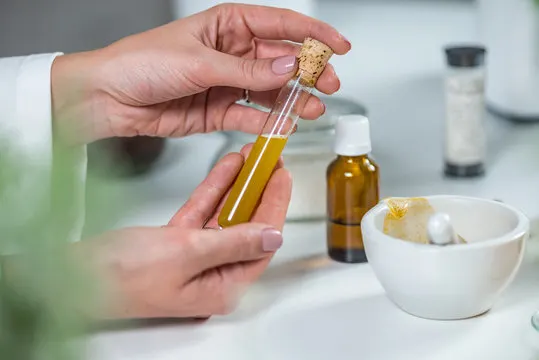
- Coconut oil: Anti-inflammatory and moisturizing.
- Aloe vera gel: Soothes irritated skin.
- Oatmeal baths: Relieve itching and redness.
Medical Options:
- Topical corticosteroids or antihistamines for flare-ups.
- Immunosuppressants for severe cases (under medical supervision).
How Long Does Homeopathy Take to Cure Eczema?
Many people are turning to natural methods like homeopathy for long-term relief. Homeopathy doesn’t just suppress symptoms—it works by correcting the internal imbalance causing eczema. The duration varies:
- Mild cases: May see improvement in 4–8 weeks.
- Moderate cases: 2–6 months depending on history and triggers.
- Chronic eczema: May take 6 months to a year or more for sustained relief.
The treatment is tailored to the individual’s lifestyle, medical history, emotional state, and eczema type. The goal is to reduce flare-ups and improve skin health naturally over time—without dependency on steroids.
When Should You See a Doctor?
- If eczema is severe, painful, or spreading rapidly
- If you experience oozing, pus, or infection
- If home remedies or OTC creams stop working
- If the condition is affecting sleep, mood, or confidence
Consulting a specialist like Dr. Ankur Prakash can help you identify the root causes and receive a personalized treatment plan.
Conclusion
Understanding what are the signs and symptoms of eczema is essential for early intervention and effective treatment. Whether you’re exploring how to get rid of eczema through lifestyle changes, homeopathy, or medical therapy, knowledge is your best tool.
Eczema might not have a cure, but with proper care and expert guidance, it can be managed—and your skin can heal. For holistic, long-term relief, trust Dr. Ankur Prakash, who combines the power of homeopathy with modern diagnostics to help you regain healthy skin from within.