
Blood cancer is a life-changing diagnosis that affects not only the body but also the emotional and mental well-being of patients and their families. However, with major advancements in medical science, treatments have become more effective, and survival rates have improved significantly. Today, many patients are living longer, healthier lives thanks to early detection, targeted therapies, and personalized care. In this comprehensive guide, Dr. Ankur Prakash breaks down what blood cancer is, how it’s treated, and most importantly, addresses the crucial question: Can blood cancer be cured?
What is Blood Cancer?
Blood cancer, also known as hematologic cancer, begins in the blood-forming tissues of the body, such as the bone marrow and lymphatic system. These cancers cause the production of abnormal blood cells, disrupting the normal functioning of healthy blood cells like red cells (which carry oxygen), white cells (which fight infection), and platelets (which help blood clot).
Unlike solid tumors, blood cancer often affects the entire body rather than forming a localized lump, making early diagnosis crucial.
Types of Blood Cancers
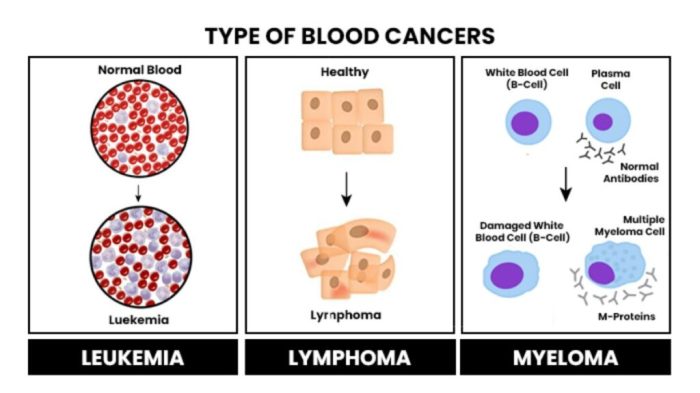
Blood cancers affect the production and function of blood cells, often starting in the bone marrow or lymphatic system. Here are the main types to know about:
1. Leukemia
Affects white blood cells.
Can be acute (fast-growing) or chronic (slow-growing).
Acute Myeloid Leukemia (AML) and Acute Lymphoblastic Leukemia (ALL) are considered aggressive but often respond well to treatment when detected early.
2. Lymphoma
Begins in the lymphatic system.
Two main types: Hodgkin Lymphoma (HL) and Non-Hodgkin Lymphoma (NHL).
Treatment success varies based on the specific subtype and progression.
3. Multiple Myeloma
Affects plasma cells in the bone marrow.
Slower-growing, but often harder to cure.
Can lead to bone pain, kidney damage, and immune system problems.
Symptoms of Blood Cancer
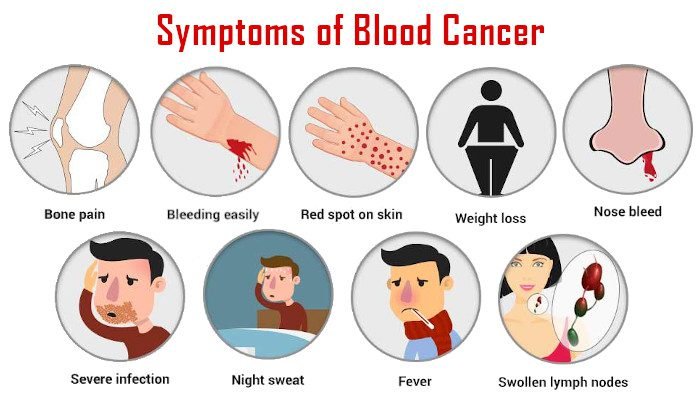
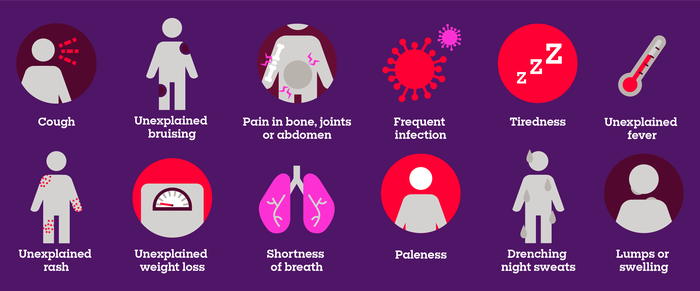
Symptoms of blood cancer often mimic those of common illnesses like the flu or chronic fatigue, which can unfortunately lead to delays in diagnosis. However, recognizing early warning signs is crucial, as timely medical attention can greatly impact treatment outcomes. Key symptoms to watch for include:
- Persistent fatigue and weakness that doesn’t improve with rest
- Recurrent infections due to a weakened immune system
- Unexplained weight loss without changes in diet or activity
- Fever and night sweats that come and go or persist
- Bone or joint pain, often in the back, ribs, or hips
- Easy bruising or bleeding, even from minor bumps or cuts
- Swollen or enlarged lymph nodes, liver, or spleen that may or may not be painful
Frequent nosebleeds or bleeding gums, even with gentle brushing
Some people may also experience shortness of breath, pale skin, or abdominal discomfort due to enlarged organs. Because these signs can overlap with less serious conditions, they are often overlooked. But if any of these symptoms are persistent, unusual, or worsening, it’s critical to seek medical advice. Early detection plays a vital role in determining how to cure blood cancer or manage it effectively, increasing the chances of successful treatment and long-term remission.
Blood Cancer Causes
The causes of blood cancer are multifactorial. While exact causes vary by type, several common factors contribute:
- Genetic mutations – Changes in DNA can trigger abnormal cell growth.
- Radiation exposure – High doses, especially from previous cancer treatments.
- Chemical exposure – Long-term exposure to benzene and other carcinogens.
- Previous cancer treatment – Chemotherapy or radiation can increase risk.
- Viral infections – Such as Epstein-Barr virus or HIV.
- Inherited genetic disorders – Like Down syndrome or Fanconi anemia.
Risk Factors
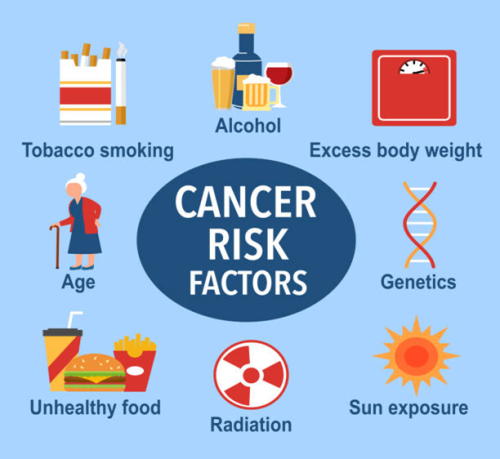
While some people develop blood cancer without any known risk factors, others may be more predisposed due to:
- Age – Risk increases with age, particularly for leukemia and myeloma.
- Family history – Especially in first-degree relatives.
- Smoking – Increases the risk of AML.
Weakened immune system – From autoimmune diseases or immunosuppressive therapy.
- Environmental exposure – Toxins and industrial chemicals.
Knowing your risk profile helps in early detection and opens a discussion on how blood cancer can be cured or managed.
How Are Blood Cancers Treated?
Treatment options vary widely depending on cancer type, stage, and the patient’s health. The main approaches to cures for blood cancer include:
1. Chemotherapy
- Systemic drugs kill fast-growing cancer cells.
- Often the first line of treatment for leukemia and lymphoma.
2. Radiation Therapy
- Targets specific cancer cells with high-energy rays.
- Used alone or combined with chemotherapy, especially in lymphoma.
3. Stem Cell Transplant (Bone Marrow Transplant)
- Replaces diseased bone marrow with healthy stem cells.
- Often used when other treatments fail or after high-dose chemotherapy.
4. Targeted Therapy
- Uses drugs that block specific molecules involved in cancer growth.
- Common in CML (Chronic Myeloid Leukemia) using drugs like imatinib.
5. Immunotherapy
- Harnesses the body’s immune system to fight cancer.
- CAR T-cell therapy is a recent breakthrough in treating certain leukemias and lymphomas.
6. Supportive Care
- Manages symptoms and side effects to improve quality of life.
- Includes transfusions, antibiotics, and nutritional support.
Understanding these treatment options gives hope to those asking, is there a cure for blood cancer?
Which Type of Blood Cancer is Most Dangerous?
Among blood cancers, acute myeloid leukemia (AML) is considered one of the most dangerous due to its rapid progression and aggressive nature. Early detection and treatment are critical. Complementary approaches like Homeopathy Treatment for blood cancer can help manage symptoms, improve immunity, and support overall well-being alongside conventional therapies.
What is the Survival Rate for Blood Cancer?
Blood cancer survival rates depend on the type, stage at diagnosis, age, and overall health of the patient. Leukemia, lymphoma, and myeloma have varying outcomes, with early detection significantly improving chances of recovery. Standard treatments include chemotherapy, radiation, bone marrow transplants, and supportive care. Additionally, Homeopathy Treatment for blood cancer can be used as a complementary approach to help manage symptoms, improve immunity, reduce side effects of conventional therapy, and support overall well-being. While survival rates differ among patients, timely diagnosis, personalized treatment plans, and regular monitoring are critical. Maintaining a healthy lifestyle, following medical advice, and choosing integrative care approaches can enhance quality of life and improve long-term outcomes for blood cancer patients. Early intervention remains the key to better survival chances.
Conclusion
To wrap it up: Can blood cancer be cured? For many patients, the answer is a hopeful yes. Advances in treatment have made remission and cure possible, especially when combined with early diagnosis, specialized care, and a positive outlook.
Whether you’re exploring how blood cancer can be cured, what the latest cures for blood cancer are, or simply asking, is blood cancer curable, the journey begins with the right guidance.
Dr. Ankur Prakash is committed to delivering cutting-edge treatments backed by compassionate care. If you or someone you love is facing a blood cancer diagnosis, reach out today—because healing starts with hope.