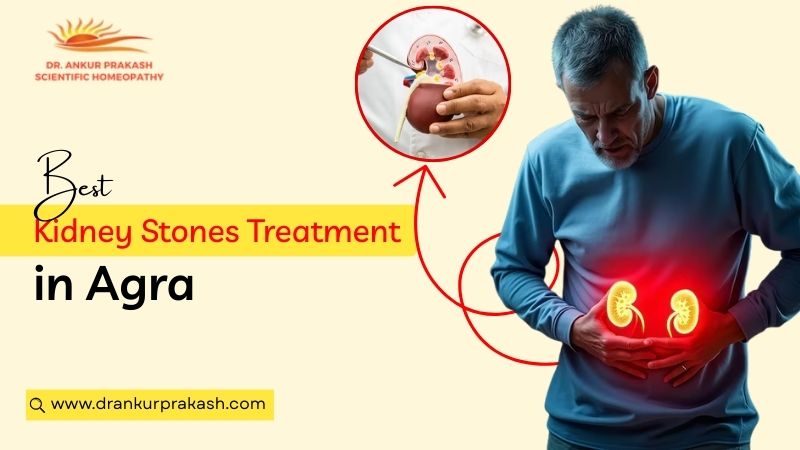
Kidney stones are a common yet painful condition that can interfere with daily activities, causing discomfort such as severe back pain, difficulty in urination, and nausea. When left untreated, they may lead to repeated infections or further complications. Patients in Agra can receive safe and effective care under the guidance of Dr. Ankur Prakash, where the focus is not only on relieving immediate pain but also on addressing the root cause of stone formation. Through a holistic treatment approach, the aim is to dissolve stones naturally, improve kidney function, and reduce the chances of recurrence by supporting overall health and long-term well-being.
Understanding Kidney Stones
Kidney stones develop when the balance between fluids and minerals in the body is disturbed. Urine normally helps flush waste materials out, but when it becomes concentrated, minerals may begin to crystallize and form hard deposits over time. Several factors contribute to this process:
Low water intake: Insufficient fluid reduces urine volume, allowing minerals to settle more easily.
Dietary habits: High salt intake raises calcium levels in urine, while excess protein increases uric acid, both encouraging crystal formation.
Family history: Genetic factors can increase susceptibility.
Metabolic imbalance: Certain conditions affect how minerals are processed in the body.
Medications or repeated infections: These may alter urine composition and promote stone development.
In some cases, conditions such as a kidney-cyst may interfere with normal urine flow and increase the risk of stone development. Identifying these factors plays an important role in selecting the Best Kidney Stones Treatment and preventing future episodes.
How Are Kidney Stones Formed?
Stone formation happens gradually over time. When the body is unable to flush out waste materials efficiently, certain minerals such as calcium, uric acid, or oxalate begin to accumulate in urine. These substances slowly form tiny crystals, especially when fluid intake is low or mineral balance is disturbed.
As time passes, the crystals stick together and increase in size. Once they grow large enough, they may start moving through the urinary tract. This movement can cause irritation, discomfort, or blockage, leading to symptoms like sharp pain or difficulty in urination. Early attention can help prevent these deposits from growing further and causing complications.
Types of Kidney Stones
Stones can differ based on the minerals from which they are formed, and each type requires a slightly different approach for effective care and prevention.
- Calcium stones: These are the most commonly found stones. They often develop due to dehydration and certain dietary habits that increase mineral concentration in urine.
- Uric acid stones: This type is more common in people who consume high amounts of animal protein, which can make urine more acidic.
- Struvite stones: Struvite stones usually form as a result of repeated urinary infections and may grow faster than other types.
- Cystine stones: A rare type caused by inherited metabolic conditions, leading to excess cystine in urine.
Identifying the stone type helps doctors decide what is the Best Kidney Stones Treatment for effective and long-term results.
Symptoms of Kidney Stones
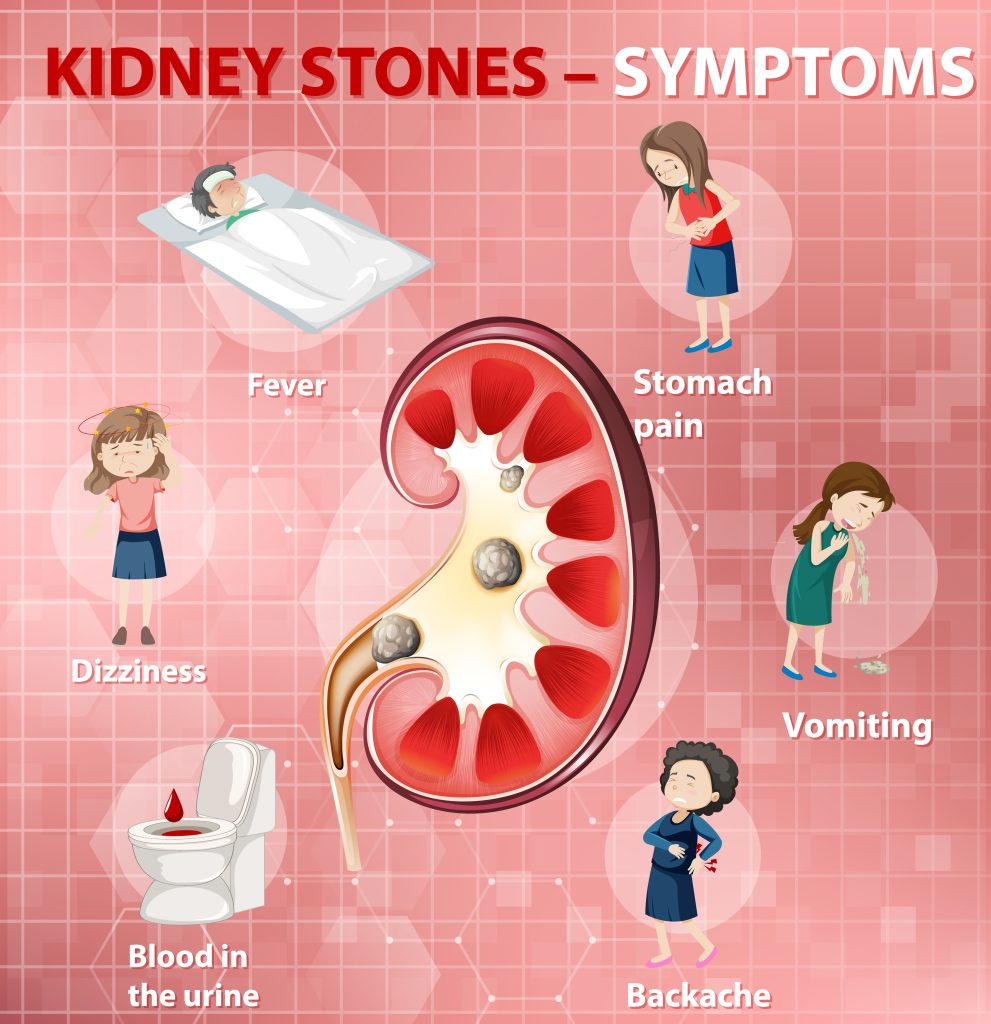
The symptoms can vary depending on the size and location of the stone. Some people may feel mild discomfort, while others experience sudden and intense pain.
Common Symptoms
Sharp or cramping pain in the lower back or side: Pain may come in waves and change in intensity as the stone moves.
Pain during urination: A burning or stinging sensation may occur when the stone irritates the urinary passage.
Frequent urge to urinate: Even small stones can create constant pressure, leading to repeated trips to the restroom.
Blood or cloudiness in urine: Urine may appear pink, reddish, or cloudy due to irritation or infection.
Nausea or vomiting: Severe pain can disturb the digestive system, causing nausea.
Kidney Stone Symptoms in Men
Men often feel pain that spreads toward the groin area. Discomfort or difficulty while passing urine is also common due to irritation along the urinary tract.
Kidney Stone Symptoms in Women
Women may experience pelvic or lower abdominal discomfort along with frequent urination. These symptoms can sometimes resemble other urinary or gynecological issues.
Recognizing these signs early allows timely care and helps patients seek the best kidney stones treatment before the condition leads to complications.
Stages of Kidney Stones
Stone-related problems usually develop gradually rather than suddenly. The condition typically progresses through the following stages:
- Crystal initiation: Tiny mineral particles begin forming, often without noticeable symptoms.
- Stone growth: Crystals join together and gradually increase in size.
- Movement: Stones may shift within the urinary tract, causing irritation or sharp pain.
- Symptoms and complications: Persistent blockage or repeated infections can strain kidney function and, in advanced cases, may contribute to chronic kidney failure.
Recognizing the condition early helps prevent complications and reduces the need for invasive procedures.
Kidney Stone Treatment in Homeopathy
Homeopathy works by supporting the body’s natural healing mechanisms. Instead of forcefully breaking stones, remedies are selected based on individual symptoms, constitution, and stone characteristics. This approach aims to dissolve stones gently, ease discomfort, and prevent recurrence without harmful side effects.
Advantages of Homeopathy for Kidney Stones
This approach focuses on supporting the body’s natural healing ability rather than relying on invasive methods. It is designed to provide relief while maintaining overall balance and comfort.
Non-invasive and gentle on the body: Remedies work without surgical procedures or harsh interventions, making them suitable for long-term use.
Customized remedies based on individual symptoms: Each person receives care tailored to their unique symptoms, lifestyle, and overall health, rather than a one-size-fits-all solution.
Supports natural expulsion of stones: The body is encouraged to clear unwanted mineral deposits naturally, reducing discomfort during the process.
Helps reduce repeated stone formation: By addressing underlying imbalances, this approach aims to lower the chances of recurrence.
Improves overall urinary function: Regular care helps maintain smooth urine flow and better urinary health.
For many patients, this approach provides a reliable option when looking for the Best Kidney Stones Treatment without surgery.
Role of Lifestyle and Diet in Stone Prevention
Medical care delivers better results when it is supported by consistent, healthy daily habits. Simple changes in routine and food choices can significantly reduce the chances of future stone formation.
Drinking adequate water daily: Proper hydration helps keep urine diluted, allowing waste materials to pass out of the body more easily.
Reducing excess salt and processed foods: High salt intake increases mineral concentration in urine, which can encourage crystal buildup.
Maintaining a balanced protein intake: Consuming protein in moderation helps maintain a healthier urine composition.
Including fruits and vegetables rich in natural antioxidants: Fresh produce supports overall urinary health and helps maintain internal balance.
Staying physically active: Regular movement improves metabolism and supports better fluid regulation in the body.
It is also important to be mindful of drinks should you avoid if you have kidney problems, such as excessive soft drinks, sugary beverages, and high caffeine intake, as these may increase strain on kidney health.

Why Choose Doctor Ankur Prakash Clinic?
Dr. Ankur Prakash is known for his experience, ethical approach, and strong focus on patient well-being. Care at the clinic goes beyond symptom management and emphasizes long-term health and comfort.
Detailed case evaluation: Each patient is assessed carefully, including medical history, lifestyle factors, and current concerns, to understand the condition thoroughly.
Individualized care plans: Treatment is tailored to the individual rather than following a standard protocol, ensuring care aligns with personal needs and health goals.
Long-term monitoring and prevention: Regular follow-ups help track progress and reduce the chances of recurrence through timely guidance and adjustments.
Holistic improvement of urinary health: The focus remains on overall balance and improved daily comfort, not just short-term relief.
Patients looking for the best kidney stones treatment benefit from a combination of medical experience, compassionate care, and personalized attention at the clinic.
Frequently Asked Questions (FAQs)
1. Can kidney stones dissolve without surgery?
Yes, many stones can be managed without surgical intervention when treated early using individualized care and supportive remedies.
2. Is homeopathy safe for long-term stone management?
Yes, homeopathy is gentle, non-toxic, and suitable for long-term use when guided by an experienced practitioner.
3. How long does treatment usually take?
The duration varies depending on stone size, type, symptoms, and individual response. Regular follow-ups help track progress.
4. Can stones come back after treatment?
Recurrence is possible if underlying causes are not addressed. Lifestyle changes and preventive care significantly reduce this risk.
5. Does drinking more water really help?
Absolutely. Proper hydration helps dilute urine, reducing crystal formation and supporting natural flushing.
Conclusion
Stone-related discomfort does not have to become a recurring issue when addressed with the right approach. Early attention, accurate evaluation, and personalized care can help manage the condition effectively and reduce future risks. Along with medical guidance, preventive measures such as lifestyle and dietary adjustments play a key role in maintaining long-term comfort.
Choosing the best kidney stones treatment supports not only relief from current symptoms but also better overall urinary health, helping individuals regain confidence and improve their quality of life.
Disclaimer
The information provided in this blog is intended for general educational and informational purposes only. It is not a substitute for professional medical advice, diagnosis, or treatment. Individual health conditions, symptoms, and responses to treatment may vary. Readers are advised not to ignore or delay seeking medical guidance based on the content of this article. Always consult a qualified healthcare professional or physician for personalized evaluation and treatment related to kidney stones or any other medical condition.