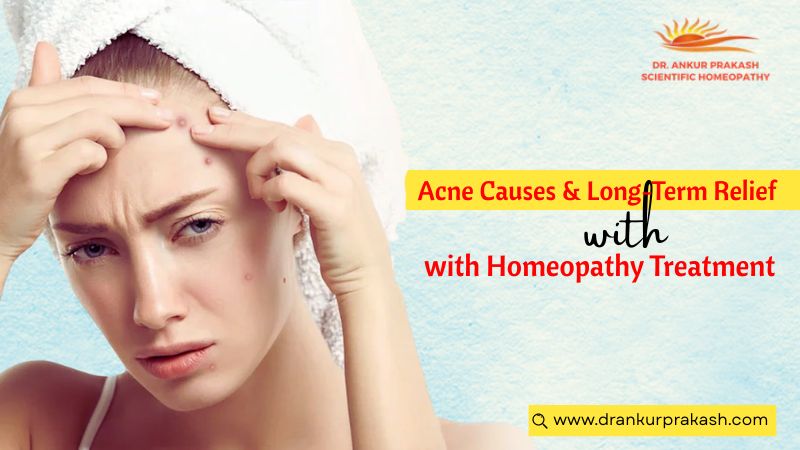
Acne is not just a surface-level skin problem — it often reflects deeper internal imbalances related to hormones, digestion, lifestyle, and stress. Understanding the real Acne causes is essential for achieving lasting relief rather than temporary suppression. In this article, Dr Ankur Prakash explains why acne occurs, the factors that trigger recurring breakouts, and how homeopathy aims to treat the root cause naturally. By focusing on holistic healing and personalized care, homeopathic treatment offers a gentle path toward clearer, healthier skin and long-term prevention of future flare-ups.
What Is Acne?
Acne is a chronic inflammatory skin condition that develops when hair follicles become clogged with excess oil (sebum), dead skin cells, and bacteria. When this blockage occurs, it creates an environment where inflammation can thrive, leading to pimples, blackheads, whiteheads, or deeper painful lesions. These breakouts commonly appear on the face, chest, back, and shoulders — areas where sebaceous (oil) glands are most active.
Although many associate acne with adolescence, people of all ages can be affected, including adults. Several factors such as hormonal fluctuations, stress, environmental pollution, and certain medications influence its severity and frequency. Skin type, family history, and daily habits also play a significant role in how and why breakouts develop.
Many individuals wonder why acne continues despite using multiple skincare products. In most cases, persistent breakouts result from a combination of hormonal changes, lifestyle patterns, dietary triggers, and genetic predisposition. Recognizing these underlying contributors is essential for effective management and long-term prevention.
Why Does Acne Happen?
Hormonal Changes
Hormonal acne causes are among the most common triggers. Increased androgen hormones stimulate oil glands, leading to clogged pores. This is frequent during puberty, menstrual cycles, pregnancy, and PCOS.
Bacterial Growth
A common question is which bacteria cause acne. The primary organism involved is Cutibacterium acnes, which multiplies within blocked pores and triggers inflammation. However, internal susceptibility plays an equally important role, not just bacterial presence alone.
Excess Oil Production
Overactive sebaceous glands produce excess sebum, creating an environment where impurities accumulate — one of the major Acne causes.
High sugar intake, processed foods, dairy, and poor digestion can worsen skin inflammation. Gut health plays a significant role in skin clarity.
Stress & Lifestyle
Chronic stress increases cortisol levels, aggravating oil production and inflammation. Lack of sleep and dehydration further intensify Acne causes.
Cosmetic & Environmental Factors
Using unsuitable skincare products, pollution exposure, and poor hygiene habits may trigger breakouts.
Types of Acne
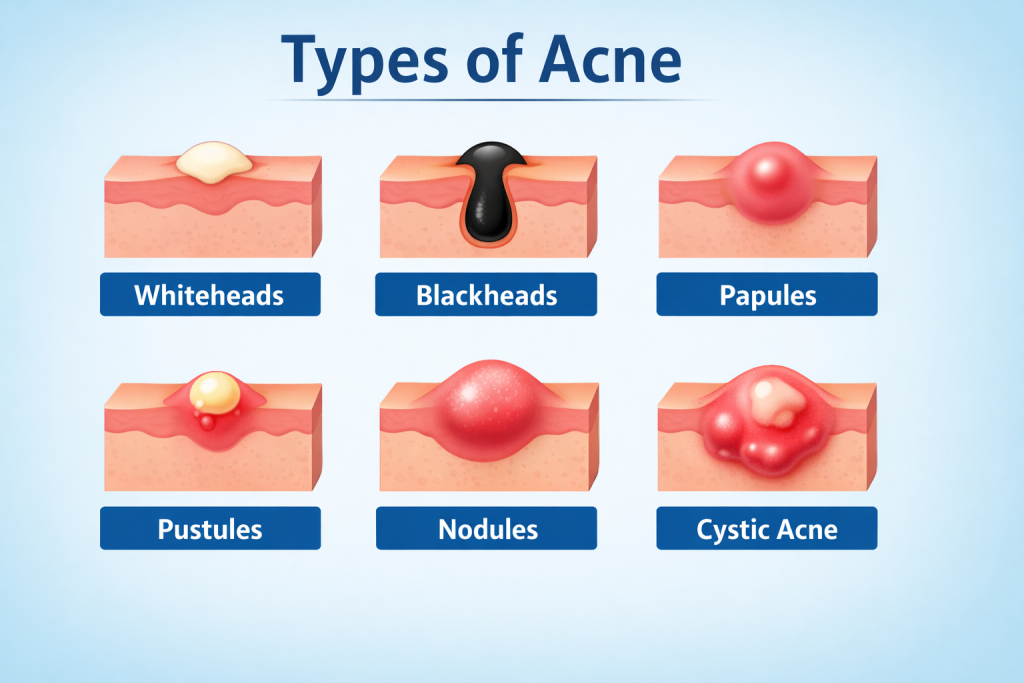
Acne appears in various forms, and identifying the type helps determine the most suitable treatment and skincare approach:
Whiteheads — Closed clogged pores that appear as small white or flesh-colored bumps beneath the skin surface.
Blackheads — Open clogged pores exposed to air, which turn dark due to oxidation, not dirt.
Papules — Small red, tender, inflamed bumps that may feel sore to touch.
Pustules — Inflamed pimples filled with pus, often with a red base and white or yellow center.
Nodules — Large, painful, solid lumps deep within the skin caused by severe inflammation.
Cystic Acne — A severe form involving deep, pus-filled lesions that can lead to permanent scarring and require medical attention.
These forms may appear individually or together depending on internal health and skin condition. Because different acne types develop from different causes, personalized diagnosis and timely treatment are essential to prevent complications such as scars or pigmentation.
Common Acne Myths vs Facts
Myth: Acne only affects teenagers
Fact: Adults frequently experience breakouts due to stress, hormonal imbalance, lifestyle factors, and underlying health issues.
Myth: Washing the face repeatedly cures acne
Fact: Overwashing strips natural oils, irritates the skin, and can actually increase oil production.
Myth: Sun exposure clears acne
Fact: While sunlight may temporarily dry pimples, excessive exposure increases oil production, pigmentation, and long-term skin damage.
Myth: Makeup always causes acne
Fact: Not all cosmetics are harmful. Non-comedogenic and skin-friendly products are generally safe when removed properly, whereas heavy or pore-clogging makeup may trigger breakouts.
Myth: Acne is caused by poor hygiene
Fact: Breakouts are not simply due to dirt. Internal factors like hormones, genetics, and inflammation play a much bigger role than cleanliness alone.
Understanding these myths helps people make better skincare decisions and focus on treatments that address the real problem rather than misconceptions.
Homeopathy for Long-Term Acne Relief
Unlike conventional treatments that suppress symptoms, homeopathy focuses on correcting internal imbalances. Remedies are selected based on physical symptoms, emotional state, lifestyle, and individual triggers. By addressing the underlying acne causes, homeopathic treatment aims to reduce breakouts gradually while preventing recurrence and improving overall health.
Why Choose Homeopathy?
Treats the root cause — Homeopathy focuses on correcting internal imbalances rather than only suppressing skin symptoms, helping reduce the tendency for recurring breakouts.
Safe and gentle — Remedies are prepared in highly diluted forms, making them mild, non-toxic, and generally free from harsh side effects when prescribed by a qualified practitioner.
Suitable for long-term use — Because it works naturally with the body, homeopathic treatment can be continued safely for chronic conditions without dependency.
Enhances immunity — By improving overall body balance and resistance, it supports the skin’s natural healing process and resilience.
Provides lasting Acne solutions — Instead of temporary relief, the approach aims for gradual, sustainable improvement and prevention of future flare-ups.
For many patients, this holistic method becomes the best solution for acne when conventional treatments provide only short-term results or cause unwanted side effects.
Homeopathic Remedies for Skin Diseases
Homeopathy offers a natural and holistic approach for managing various skin conditions by addressing internal imbalances rather than only treating surface symptoms. Many individuals seeking gentle and long-term care consider homeopathic remedies for skin diseases to support the body’s self-healing ability without harsh side effects.
Remedies are selected based on individual symptoms, skin type, triggers, and overall health. Some commonly used medicines in homeopathic practice include:
- Sulphur — Often considered for itchy, burning, and inflamed skin conditions
- Graphites — Helpful for dry, rough skin with cracks or oozing discharge
- Natrum Muriaticum — Used for oily skin and stress-related eruptions
- Hepar Sulphuris — Considered for painful, pus-filled lesions
- Silicea — Often used for slow-healing skin and recurrent infections
A qualified practitioner prescribes these remedies only after detailed evaluation, as the same condition may require different medicines for different individuals.
Lifestyle Tips to Prevent Acne
Supporting treatment with healthy habits can significantly speed recovery and help maintain long-term skin health:
Eat fresh fruits and vegetables — A balanced diet rich in vitamins, minerals, and antioxidants supports skin repair and reduces inflammation from within. Limiting sugary and processed foods may also help control breakouts.
Drink plenty of water — Proper hydration helps flush out toxins, supports digestion, and keeps skin balanced and less prone to excess oil production.
Maintain regular sleep — Quality sleep allows the body to repair tissues, balance hormones, and reduce stress levels that can trigger flare-ups.
Manage stress through yoga or meditation — Relaxation techniques help regulate stress hormones, which are known to worsen skin problems when elevated for long periods.
Avoid touching or squeezing pimples — Picking can spread bacteria, increase inflammation, and lead to scars or dark spots.
Use skin-friendly products — Choose gentle, non-comedogenic skincare and cosmetics suited to your skin type to prevent clogged pores.
Keep hair and pillowcases clean — Oil, sweat, and dirt from hair or bedding can transfer to the skin and contribute to breakouts.
These measures reduce lifestyle-related Acne causes, support treatment effectiveness, and help maintain clearer, healthier skin over time.
Frequently Asked Questions (FAQs)
1. What are the main Acne causes?
Hormonal imbalance, excess oil production, bacteria, stress, poor diet, and unsuitable skincare products are the primary triggers.
2. Can acne be cured permanently?
Yes, long-term improvement is possible by addressing root Acne causes through holistic treatment and lifestyle changes.
3. Does diet affect acne?
Yes, high sugar, dairy, and processed foods can aggravate breakouts, while a balanced diet supports healing.
4. Is homeopathy effective for severe acne?
Homeopathy can help manage even chronic acne by improving internal balance and reducing recurrence.
5. How long does it take to see results?
Improvement depends on severity, duration, and individual health, but gradual healing ensures long-lasting results.
Conclusion
Acne can be a persistent and emotionally challenging condition, but identifying its underlying triggers is the key to effective and lasting management. Rather than depending on temporary solutions, addressing the root Acne causes allows for deeper healing and reduces the chances of recurrence. At Dr Ankur Prakash Homeopathy Clinic, treatment focuses on understanding each patient’s unique health profile to provide personalized care.
With specialized homeopathic support, lifestyle guidance, and consistent patience, it is possible to achieve naturally clear and healthy skin. A holistic approach not only improves appearance but also enhances overall well-being, helping individuals regain confidence and long-term skin balance.
Disclaimer
This blog is intended for informational and educational purposes only and should not be considered medical advice, diagnosis, or treatment. The information provided is not a substitute for consultation with a qualified healthcare professional. Individual skin conditions and health needs may vary, and treatment outcomes cannot be guaranteed.
Always consult a licensed medical practitioner or qualified homeopathic doctor before starting any new treatment, especially if you have severe, persistent, or worsening symptoms. Do not ignore professional medical advice or delay seeking care based on the information in this article.