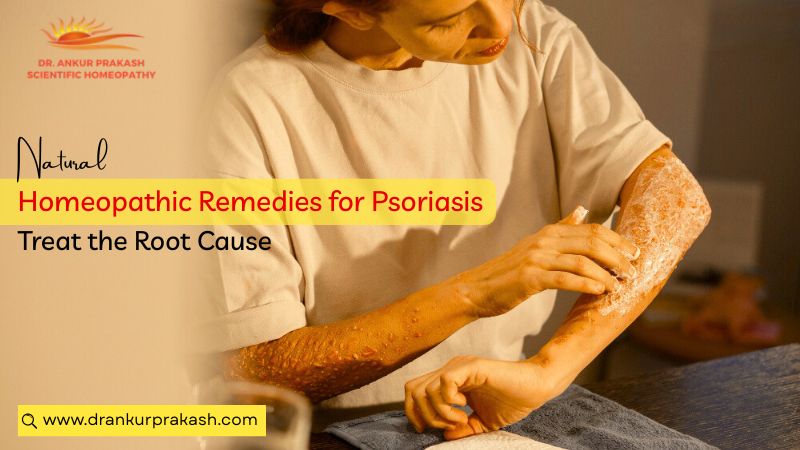
Psoriasis is a long-lasting skin problem that can cause red patches, itching, and dry, scaly skin. This blog explains how natural homeopathic remedies focus on treating the root cause of psoriasis instead of only managing the visible symptoms. With the guidance of Dr Ankur Prakash, homeopathy works to improve the body’s natural healing ability and support better skin health.
Homeopathic treatment is personalized for each person based on their overall health and lifestyle. It aims to reduce flare-ups, provide long-term relief, and help you feel more confident in your daily life. Learn how a gentle and natural approach can support healthier skin and overall well-being.
Define Psoriasis
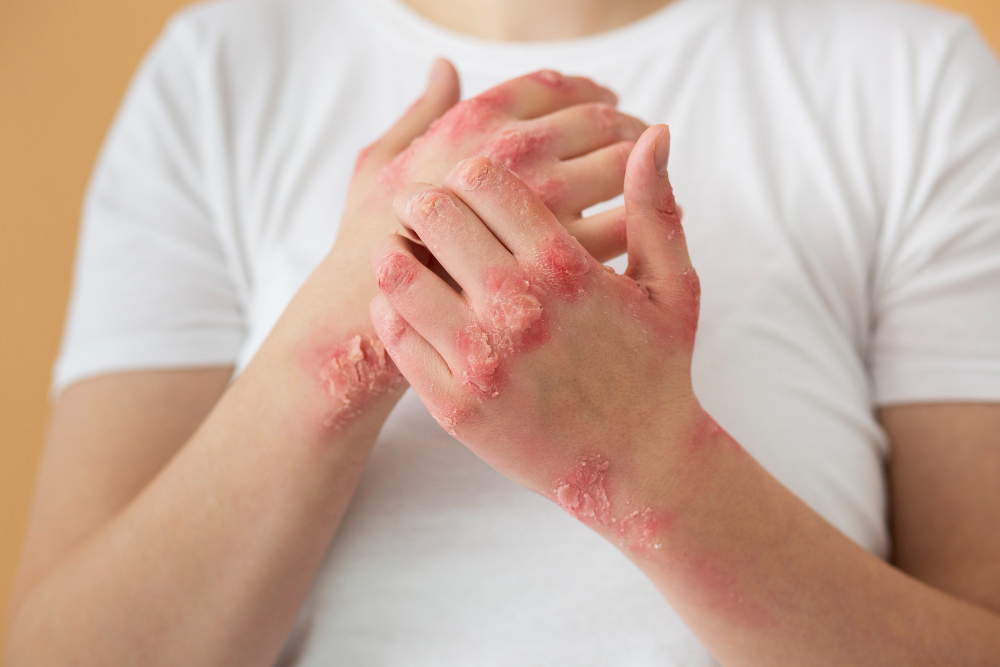
To define psoriasis, it is a chronic autoimmune skin disease in which the body’s immune system speeds up the growth of skin cells. Normally, skin cells take about a month to renew, but in psoriasis they multiply within a few days. This rapid buildup of skin cells forms thick, red patches covered with silvery-white scales on the skin.
Psoriasis is a common psoriasis skin disease that causes inflammation, dryness, itching, and irritation. These patches often appear on areas like the scalp, elbows, knees, and lower back, but they can develop anywhere on the body. Although psoriasis is not contagious, it can last for many years and usually occurs in cycles of flare-ups and remission.
Because of its chronic nature, many patients look for natural approaches such as homeopathic remedies for psoriasis to help manage symptoms and improve skin health.
Psoriasis Causes
Understanding psoriasis causes helps in managing the condition and preventing frequent flare-ups. While the exact cause is not fully known, several factors can trigger or worsen this psoriasis skin disease.
Immune system dysfunction
Psoriasis develops when the immune system becomes overactive and mistakenly attacks healthy skin cells. This reaction speeds up the production of skin cells, leading to the formation of thick, scaly patches on the skin.
Genetic factors
Family history plays an important role in psoriasis. People who have parents or close relatives with psoriasis are more likely to develop the condition because certain genes may increase the risk.
Stress
Emotional or mental stress is a common trigger that can worsen psoriasis symptoms. High stress levels can disturb the immune system and lead to sudden flare-ups of the disease.
Skin injuries
Injuries to the skin such as cuts, burns, insect bites, or infections can trigger new psoriasis patches in the affected area. Doctors commonly call this reaction the Koebner phenomenon.
Certain medications
Some medicines, including certain blood pressure drugs or medications that affect the immune system, may trigger or worsen psoriasis symptoms in some individuals.
Lifestyle factors
Unhealthy habits such as smoking, excessive alcohol consumption, lack of proper nutrition, and poor skin care can increase inflammation in the body and contribute to psoriasis flare-ups.
Holistic approaches such as Homeopathy Treatment aim to address these underlying triggers and help manage psoriasis naturally.
Psoriasis Types
There are several psoriasis types, and identifying the correct type is important for choosing the right psoriasis treatment.
1. Plaque Psoriasis
Plaque psoriasis is the most common type of psoriasis. It appears as thick, raised red patches of skin covered with silvery-white scales and usually develops on the elbows, knees, scalp, and lower back.
2. Guttate Psoriasis
Guttate psoriasis is characterized by small, red, drop-shaped spots that appear on the skin. It often develops suddenly and may be triggered by bacterial infections such as a throat infection.
3. Inverse Psoriasis
Inverse psoriasis occurs in skin folds where the skin rubs together, such as the underarms, groin, under the breasts, and around the buttocks. It usually appears as smooth, red, and inflamed patches without thick scales.
4. Pustular Psoriasis
Pustular psoriasis is a less common type that causes white pus-filled blisters surrounded by red and inflamed skin. It may appear on specific areas such as the hands and feet or spread across larger parts of the body.
5. Erythrodermic Psoriasis
Erythrodermic psoriasis is a rare but severe form of psoriasis that causes widespread redness, severe inflammation, and peeling of the skin over large areas of the body.
Effective psoriasis treatment depends on identifying the specific type and addressing the underlying cause.
Psoriasis Symptoms
Recognizing psoriasis symptoms early can help in better management of the condition and prevent severe flare-ups. The symptoms of psoriasis skin disease may vary from person to person.
- Red, inflamed skin patches – One of the most common symptoms of psoriasis is the appearance of red, swollen patches on the skin caused by inflammation and rapid skin cell growth.
- Thick silvery scales – Thick, silvery-white scales often cover these red patches. formed due to the buildup of excess skin cells on the surface.
- Dry and cracked skin – The affected skin may become very dry, rough, and cracked, and in some cases, it may even bleed.
- Itching or burning sensation – Many people with psoriasis experience persistent itching, burning, or discomfort in the affected areas.
- Skin pain or irritation – The inflamed skin may become sensitive and painful, especially when the patches are severe or located in areas that experience friction.
- Thickened or ridged nails – Psoriasis can also affect the nails, causing them to become thick, discolored, pitted, or ridged.
- Joint pain in some cases (psoriatic arthritis) – Some people with psoriasis may develop joint pain, stiffness, and swelling, a condition known as psoriatic arthritis.
Since psoriasis skin disease can vary in severity, early consultation with an experienced doctor is recommended for proper diagnosis and treatment.
Is Psoriasis Curable?
Many patients often ask, is psoriasis curable? Doctors generally consider psoriasis a chronic skin condition, which means it may not have a permanent cure in conventional medicine. However, Proper treatment can effectively manage the symptoms.
With the right psoriasis treatment, many people are able to control flare-ups, reduce skin irritation, and maintain healthier skin for long periods. Treatments mainly focus on slowing down the rapid growth of skin cells and reducing inflammation.
Holistic approaches such as Psoriasis Treatment in Homeopathy aim to manage the condition by addressing the underlying causes, supporting the immune system, and improving overall skin health. With consistent treatment and proper care, many patients experience long-term relief and fewer recurrences of symptoms.
Is Psoriasis Dangerous?
Another common concern many patients have is: is psoriasis dangerous? In most cases, psoriasis itself is not life-threatening, but if it is not properly managed, it may lead to certain health complications.
- Psoriatic arthritis – Some people with psoriasis may develop a condition called psoriatic arthritis, where the joints become painful, stiff, and swollen. This can affect daily activities if not treated early.
- Skin infections – Continuous scratching, cracked skin, or open sores caused by psoriasis patches can increase the risk of bacterial or fungal skin infections.
- Emotional stress and anxiety – Visible skin patches may affect a person’s confidence and self-esteem, which can lead to emotional stress, anxiety, or social discomfort.
- Increased risk of metabolic disorders – In some cases, people with long-term psoriasis may have a higher risk of conditions such as obesity, diabetes, or heart-related problems.
Therefore, timely psoriasis treatment is important to control symptoms, prevent complications, and maintain healthier skin.
Psoriasis Treatment in Homeopathy
Psoriasis Treatment in Homeopathy focuses on treating the patient as a whole rather than only managing the skin symptoms. The goal of Homeopathy Treatment is to identify the underlying cause of the condition and support the body’s natural healing process.
Homeopathy works by:
- Addressing the root cause of the disease – Homeopathic treatment focuses on identifying internal factors such as immune imbalance, stress, or genetic tendencies that may contribute to psoriasis.
- Strengthening the immune system – Homeopathic medicines aim to support and balance the immune system so that it does not react aggressively against healthy skin cells.
- Reducing inflammation naturally – These remedies help reduce redness, irritation, and swelling of the skin without harsh chemicals.
- Preventing frequent flare-ups – By working on the root cause, homeopathy aims to reduce the frequency and severity of psoriasis flare-ups over time.
- Improving overall health – Homeopathy considers the patient’s physical, emotional, and mental health to promote overall well-being.
Unlike many conventional treatments that only suppress symptoms, Homeopathy Treatment aims to provide long-term relief and support natural healing with minimal side effects.
Patients seeking personalized care can consult the Best Homeopathy Doctor in Agra, Dr. Ankur Prakash, for a customized treatment plan based on their individual symptoms and medical history.
Homeopathic Remedies for Psoriasis
Several Doctors use homeopathic remedies for psoriasis depending on the patient’s symptoms and skin condition. Doctors select homeopathic medicines after a detailed case analysis. Some commonly prescribed remedies include:
1. Arsenicum Album
Helpful for dry, scaly skin with intense itching and burning sensation.
2. Graphites
Often used for thick, cracked skin with sticky discharge.
3. Sulphur
One of the most frequently used remedies for chronic skin conditions with redness and itching.
4. Mezereum
Effective in cases where thick crusts form on the skin.
5. Petroleum
Used for extremely dry skin with deep cracks and bleeding.
These homeopathic remedies for psoriasis should always be taken under the guidance of a qualified homeopathic doctor for the best results.
People Also Ask
How did I get rid of my psoriasis naturally?
Natural management of psoriasis involves a combination of lifestyle changes and holistic treatment. Many people experience improvement by following a healthy diet, reducing stress, maintaining proper skin care, and choosing natural options like Homeopathy Treatment that focus on the root cause of the condition.
What vitamin deficiency causes plaque psoriasis?
Some studies suggest that Vitamin D deficiency may worsen plaque psoriasis because Vitamin D plays an important role in regulating skin cell growth and immune function. Maintaining balanced nutrition can support better skin health.
What is the root cause of psoriasis?
The root cause of psoriasis is mainly related to an overactive immune system, where immune cells mistakenly attack healthy skin cells. Genetic factors, stress, infections, and lifestyle habits may also contribute to the development of this psoriasis skin disease.
How to stop psoriasis from spreading naturally?
To help prevent psoriasis from spreading naturally:
- Manage stress effectively
- Maintain a healthy diet
- Avoid smoking and alcohol
- Keep skin moisturized
- Follow a proper treatment plan such as Psoriasis Treatment in Homeopathy
These steps may help reduce flare-ups and support overall skin health.
Conclusion
Psoriasis is a chronic autoimmune skin condition that can affect both physical and emotional well-being. Understanding psoriasis causes, psoriasis types, and psoriasis symptoms is important for early diagnosis and effective management.
Natural and holistic options such as homeopathic remedies for psoriasis focus on treating the root cause of the disease rather than simply controlling symptoms. With personalized care and the right psoriasis treatment, many patients experience significant improvement and better quality of life.
For individuals seeking safe and natural care, consulting the Best Homeopathy Doctor in Agra, Dr. Ankur Prakash, can help in developing a personalized treatment plan tailored to each patient’s condition.
Disclaimer
This article is for informational and educational purposes only and should not be considered medical advice. Always consult a qualified healthcare professional before starting any treatment. Homeopathic medicines should be taken under the supervision of a trained and experienced homeopathic doctor.