World Cancer Day: What You Need to Know
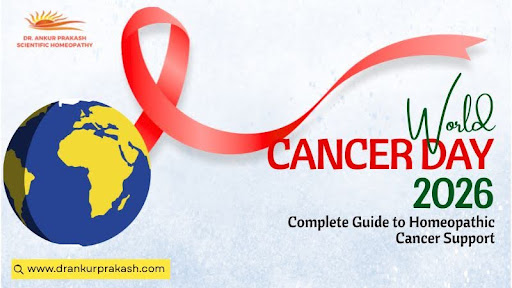
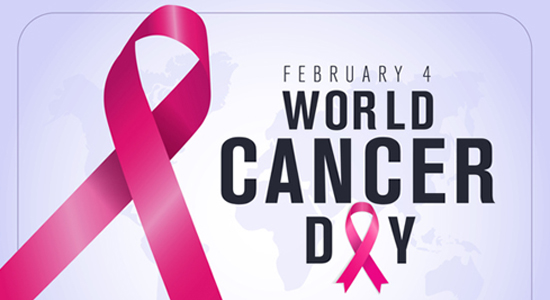
World Cancer Day is observed every year on February 4 to raise awareness about cancer prevention, early detection, timely treatment, and support for people affected by cancer. Led by the Union for International Cancer Control (UICC), this global campaign encourages individuals, healthcare professionals, governments, and communities to work together to reduce the burden of cancer.
Although not every cancer can be prevented, healthy lifestyle choices, awareness of warning signs, recommended screening, and timely medical care can improve health outcomes for many people. Standard cancer treatment may include surgery, chemotherapy, radiation therapy, immunotherapy, targeted therapy, or, in selected cases, stem cell transplantation. Some patients also choose complementary approaches such as homeopathy for supportive care during treatment. However, these therapies should always be used alongside conventional medical care under professional supervision and should never replace evidence-based cancer treatment.
World Cancer Day reminds us that awareness, education, and early action can help save lives and improve the quality of care for people living with cancer.
What Is World Cancer Day?
World Cancer Day is a global awareness initiative established by the Union for International Cancer Control (UICC) in 2000 during the World Summit Against Cancer for the New Millennium in Paris. Since then, it has been observed annually on February 4, bringing together governments, healthcare organizations, researchers, patient advocacy groups, survivors, caregivers, and communities across the world.
The campaign aims to:
- Increase awareness about cancer and its risk factors.
- Encourage early diagnosis through regular health check-ups and recommended screening.
- Promote healthy lifestyle habits that may reduce cancer risk.
- Support patients, survivors, and caregivers.
- Reduce myths, fear, and stigma associated with cancer.
- Advocate for equitable access to quality cancer prevention, diagnosis, treatment, and supportive care.
Every year, World Cancer Day is marked through public awareness campaigns, educational seminars, community outreach programs, health camps, workplace wellness initiatives, survivor stories, fundraising events, and social media activities. These efforts help people make informed health decisions and encourage communities to support those affected by cancer.
Why World Cancer Day Matters
Cancer is one of the leading causes of illness and death worldwide. Advances in medical research have significantly improved diagnosis and treatment, yet many cancers are still detected at an advanced stage because symptoms are overlooked or medical care is delayed.
World Cancer Day highlights the importance of taking proactive steps to protect our health and supporting people affected by cancer. It encourages individuals to recognize early warning signs, participate in recommended screening programs, adopt healthier lifestyles, and seek timely medical advice when symptoms persist.
Greater awareness can help:
- Improve participation in cancer screening programs.
- Encourage earlier diagnosis and treatment.
- Reduce misconceptions about cancer.
- Promote healthier lifestyle choices.
- Strengthen support for patients, survivors, and caregivers.
By working together, communities can help reduce the impact of cancer and improve access to quality healthcare.
Understanding Cancer Risk Factors
Cancer develops due to a combination of genetic, environmental, and lifestyle-related factors. While some risks cannot be changed, many can be reduced through informed lifestyle choices and preventive healthcare.
Common risk factors include:
- Tobacco smoking and smokeless tobacco use.
- Excessive alcohol consumption.
- Poor dietary habits.
- Physical inactivity.
- Overweight and obesity.
- Long-term exposure to harmful chemicals or radiation.
- Certain infections, including Human Papillomavirus (HPV) and Hepatitis B or C.
- Family history of certain cancers.
- Increasing age.
Having one or more risk factors does not necessarily mean a person will develop cancer. However, understanding these factors helps individuals make informed decisions about their health and discuss appropriate screening with their healthcare provider.
Cancer Prevention and Early Detection
Many cancers can be detected at an earlier stage through regular health check-ups, appropriate screening, and awareness of warning signs. Early diagnosis often provides more treatment options and may improve outcomes.
Healthy habits that support cancer prevention include:
- Avoid tobacco in all forms.
- Limit alcohol consumption.
- Eat a balanced diet rich in fruits, vegetables, whole grains, and lean protein.
- Stay physically active and maintain a healthy weight.
- Protect your skin from excessive sun exposure.
- Receive recommended vaccinations, including HPV and Hepatitis B, where appropriate.
- Attend routine health check-ups and age-appropriate cancer screening.
You should seek medical advice if you notice symptoms such as:
- A lump or swelling that does not go away.
- Unexplained weight loss.
- Persistent cough or hoarseness.
- Unusual bleeding or discharge.
- Changes in bowel or bladder habits.
- Difficulty swallowing.
- A sore that does not heal.
- Persistent fatigue or unexplained pain.
These symptoms do not always indicate cancer, but they should be evaluated by a qualified healthcare professional to identify the underlying cause.
Modern Cancer Treatment Options
Cancer treatment is personalized and depends on the type of cancer, its stage, the patient’s overall health, and individual treatment goals. Following a comprehensive evaluation, an oncologist may recommend one or more evidence-based treatments.
Common treatment options include:
- Surgery to remove localized tumors.
- Chemotherapy to destroy or slow the growth of cancer cells.
- Radiation therapy to target cancer cells with high-energy radiation.
- Targeted therapy for cancers with specific genetic or molecular characteristics.
- Immunotherapy to help the immune system recognize and attack cancer cells.
- Stem cell transplantation in selected cases, particularly for certain blood cancers.
The most appropriate treatment plan is determined by the oncology team after considering each patient’s individual medical condition, treatment goals, and overall health.
Role of Homeopathy in Supportive Cancer Care
A cancer diagnosis and its treatment can affect a person’s physical, emotional, and psychological well-being. Alongside standard oncology care, some patients explore complementary therapies to help manage treatment-related challenges and improve their overall quality of life.
Homeopathy is not a treatment for cancer and should never replace evidence-based cancer care. However, some patients choose individualized homeopathic care as a supportive therapy while undergoing conventional treatment. When provided by a qualified homeopathic physician and coordinated with the treating oncologist, supportive care may help address individual symptoms and improve overall comfort during treatment.
Supportive care may focus on:
- Managing fatigue and general weakness.
- Supporting emotional well-being during treatment.
- Helping patients cope with stress and anxiety.
- Addressing reduced appetite or general discomfort.
- Supporting overall quality of life as part of a comprehensive care plan.
Every patient’s needs are different, so supportive care should always be individualized and discussed with the treating medical team.
The Growing Burden of Cancer in India
Cancer is becoming an increasingly important public health challenge in India. Population ageing, tobacco use, unhealthy dietary habits, physical inactivity, obesity, environmental pollution, and certain infections continue to contribute to the rising number of cases.
Another challenge is delayed diagnosis. Many people seek medical care only after symptoms become severe, reducing the opportunities for early treatment. Increasing awareness about cancer prevention, regular health check-ups, and recommended screening can help more people receive timely diagnosis and care.
World Cancer Day provides an opportunity for healthcare professionals, community organizations, educational institutions, and individuals to encourage healthier lifestyles and improve public understanding of cancer across India.
What You Can Do on World Cancer Day
Everyone can contribute to the fight against cancer through simple but meaningful actions.
You can:
- Learn about common cancer risk factors and warning signs.
- Encourage family members and friends to attend recommended health screenings.
- Avoid tobacco and limit alcohol consumption.
- Eat a balanced diet and stay physically active.
- Share reliable health information to reduce myths and misinformation.
- Support patients, survivors, caregivers, and local awareness initiatives.
- Participate in community events and educational programs organized on World Cancer Day.
These actions help build more informed communities and encourage people to seek medical care when needed.
Common Myths and Facts About Cancer
Myth | Fact |
Cancer is always hereditary. | While genetics contribute to some cancers, many are influenced by lifestyle, environmental factors, and ageing. |
Cancer only affects older adults. | Although the risk generally increases with age, cancer can occur in younger adults and children. |
Cancer always causes pain in its early stages. | Many cancers develop without obvious symptoms, making regular screening and timely medical evaluation important. |
A healthy lifestyle guarantees protection from cancer. | Healthy habits reduce the risk of many cancers but cannot eliminate the risk completely. |
Frequently Asked Questions (FAQs)
When is World Cancer Day observed?
World Cancer Day is observed every year on February 4 to raise awareness about cancer prevention, early detection, treatment, and patient support worldwide.
Why is World Cancer Day important?
It encourages individuals and communities to understand cancer risk factors, recognize warning signs, participate in recommended screening, reduce stigma, and support people affected by cancer.
Can cancer be prevented?
While cancer cannot always be prevented, avoiding tobacco, maintaining a healthy weight, eating a balanced diet, staying physically active, limiting alcohol consumption, receiving recommended vaccinations, and attending regular health check-ups can reduce the risk of many cancers.
Why is early detection important?
Many cancers are easier to treat when diagnosed at an early stage. Recognizing symptoms promptly and participating in recommended screening programs can improve treatment options and outcomes.
Can homeopathy cure cancer?
No. Homeopathy does not cure cancer and should never replace conventional medical treatment. Some patients choose homeopathy as supportive care to help improve comfort and quality of life during conventional cancer treatment. Any complementary therapy should be discussed with both the treating oncologist and a qualified homeopathic physician.
Conclusion
World Cancer Day reminds us that awareness, prevention, and early detection remain among the most effective ways to reduce the impact of cancer. Understanding risk factors, recognizing warning signs, adopting healthier lifestyle habits, and seeking timely medical advice can help improve outcomes for individuals and communities alike.
Modern cancer care continues to advance through evidence-based treatments and patient-centred support. Alongside these advances, emotional well-being, informed decision-making, and compassionate care remain essential throughout the cancer journey.
Looking for Supportive Cancer Care?
If you or a loved one is undergoing cancer treatment and would like to explore individualized supportive homeopathic care, you can consult Dr. Ankur Prakash to understand whether it may be appropriate alongside your existing treatment plan. Any complementary therapy should always be coordinated with your treating oncologist and should never replace standard cancer treatment.
To learn more, visit the About Dr. Ankur Prakash, Cancer Supportive Care, or Contact Us pages to schedule a consultation or explore additional educational resources.
Medical Disclaimer
This article is provided for educational and awareness purposes only. It is not intended to replace professional medical advice, diagnosis, or treatment. If you have symptoms suggestive of cancer or have been diagnosed with cancer, consult a qualified oncologist for appropriate evaluation and treatment. Any complementary therapy, including homeopathy, should be used only under professional supervision and alongside evidence-based medical care.
References
- World Health Organization (WHO): Cancer
- Union for International Cancer Control (UICC): World Cancer Day
- American Cancer Society: Cancer Prevention & Early Detection
- National Cancer Institute (NCI): Cancer Topics
- ICMR – National Centre for Disease Informatics and Research (NCDIR)
About the Author
Dr. Ankur Prakash is a BHMS-qualified homeopathic physician who provides individualized homeopathic care for chronic health conditions. His approach focuses on supportive, patient-centered care and encourages the safe integration of complementary therapies alongside evidence-based medical treatment whenever appropriate.