Thyroid Specialist Homeopathy Doctor in Agra
Thyroid disorders are not only “report problems.” Many patients live with constant tiredness, weight changes, hair fall, mood swings, poor sleep, constipation, or irregular periods — even when they are already taking thyroid medicines.
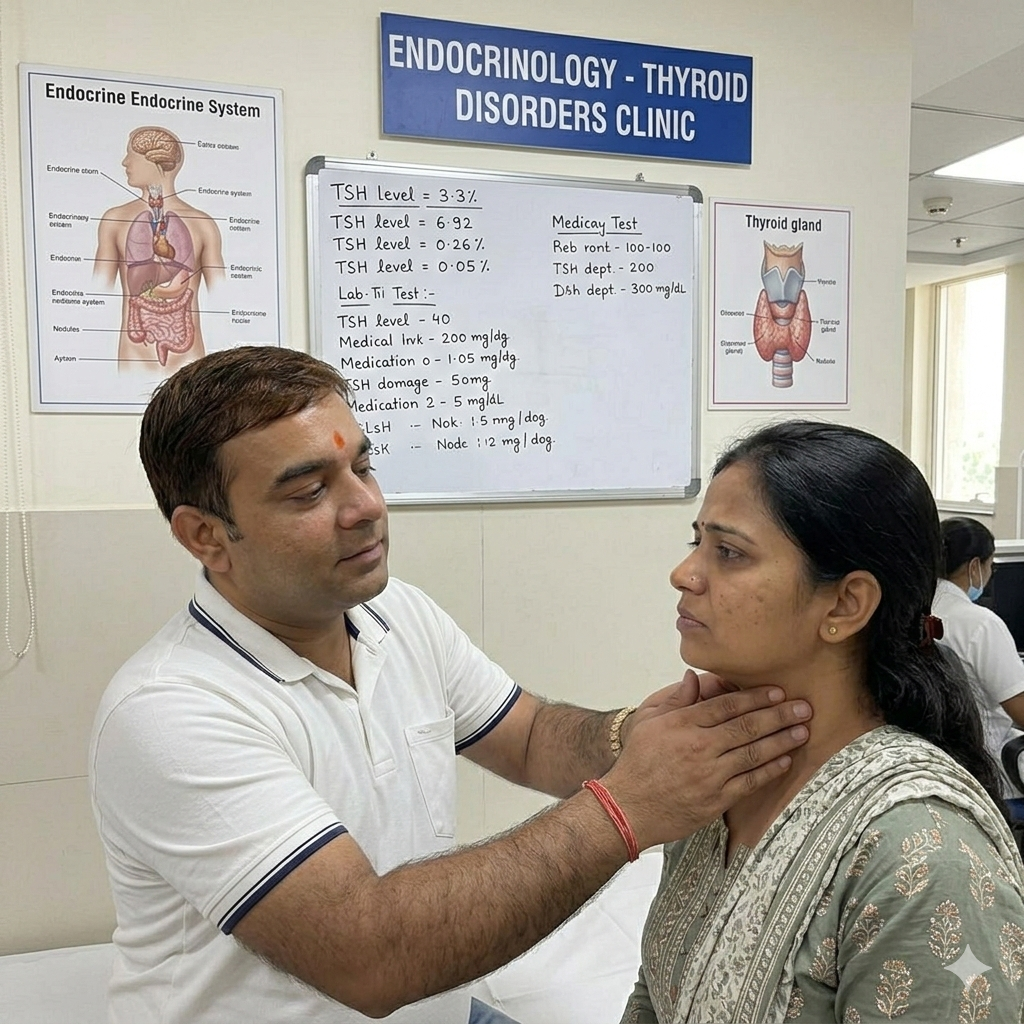
At Dr. Ankur Prakash’s clinic, thyroid care is provided through a structured homeopathic approach that focuses on symptom relief, hormonal balance support, and long-term monitoring. Patients consult Dr. Ankur Prakash as a trusted thyroid specialist doctor and homeopathy physician in Agra for conditions such as hypothyroidism, hyperthyroidism, and Hashimoto’s thyroiditis.
What is Thyroid?
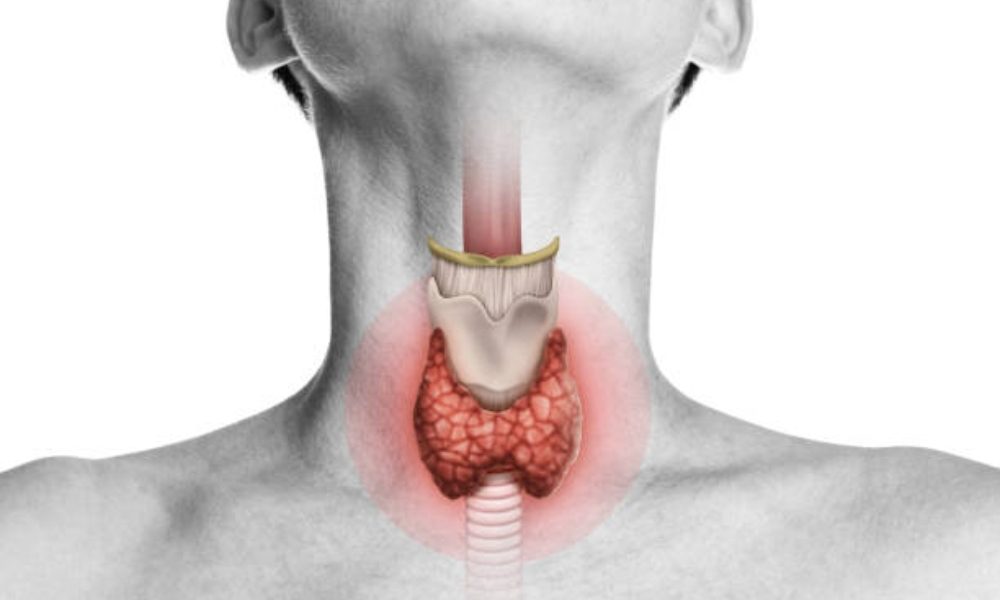
The thyroid is a small, butterfly-shaped gland located at the front of your neck, just below the Adam’s apple. It is part of the endocrine system and plays a major role in regulating the body’s metabolism.
Thyroid Treatment in Homeopathy (Doctor-Guided & Report-Based)
Homeopathy for thyroid disorders is always started under proper medical supervision. It is not prescribed blindly or based only on one symptom. Each patient undergoes detailed evaluation, including clinical symptoms and thyroid function reports, before selecting an individualized treatment plan. The approach focuses on safe, gradual, and long-term management while coordinating with ongoing conventional treatment when required.
Personalized Medicine
Non-Invasive Approach
Symptom Management
Common Medical Indicators
Your Symptoms and Daily Complaints
Changes in weight, fatigue, hair fall, mood swings, menstrual irregularities, palpitations, or heat/cold intolerance are carefully evaluated to understand the thyroid imbalance pattern.
Thyroid Profile Reports (TSH, T3, T4)
Laboratory reports are reviewed to assess hormone levels, severity, and progression of the condition before planning treatment.
Duration of the Condition
Whether the thyroid issue is recent or long-standing helps determine the depth of imbalance and expected recovery timeline.
Medicine History and Current Dosage
Previous and ongoing medications, including thyroid hormone replacement, are reviewed to ensure safe and coordinated care.
Lifestyle, Stress, Sleep & Digestive Patterns
Factors such as stress levels, sleep quality, dietary habits, and digestion are considered as they directly influence hormonal balance.
Hormonal & Family History
Personal hormonal background and family history of thyroid or autoimmune disorders are assessed to create a more precise and individualized plan.
Types of Thyroid Disorders
The thyroid gland regulates metabolism, energy production, and hormonal balance. When it becomes overactive, underactive, or structurally altered, different thyroid disorders can develop. The most common types include:
1. Hypothyroidism (Underactive Thyroid)
This occurs when the thyroid gland produces insufficient hormones.Common symptoms: fatigue, weight gain, cold intolerance, hair fall, dry skin, constipation, slow pulse, depression, and menstrual irregularities.

2. Hyperthyroidism (Overactive Thyroid)
In this condition, the thyroid produces excessive hormones, increasing body metabolism. Common symptoms: weight loss despite good appetite, heat intolerance, sweating, anxiety, tremors, palpitations, loose motions, and sleep disturbance.
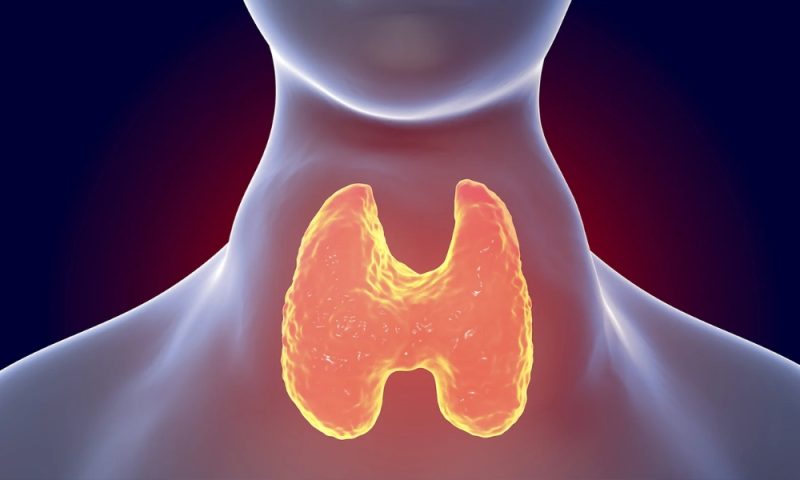
3.Hashimoto’s Thyroiditis (Autoimmune Hypothyroidism)
An autoimmune condition where the immune system attacks the thyroid gland, gradually reducing hormone production. Common signs: persistent fatigue, weight gain, swelling in the neck, mood changes, and fluctuating thyroid levels.
4. Graves’ Disease (Autoimmune Hyperthyroidism)
An autoimmune disorder causing overstimulation of the thyroid gland. Common symptoms: bulging eyes (in some cases), rapid heartbeat, irritability, weight loss, and heat sensitivity.
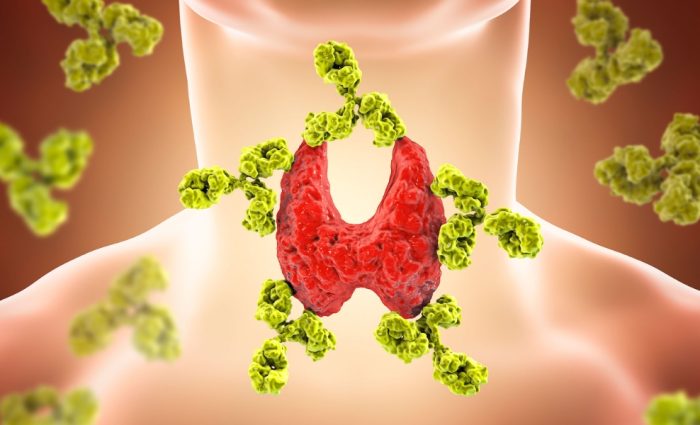
5. Thyroid Nodules
Small lumps or growths in the thyroid gland. Most are benign, but evaluation is necessary. Symptoms (if present): visible neck swelling, difficulty swallowing, or hormonal imbalance.
6. Goiter (Thyroid Enlargement)
Abnormal enlargement of the thyroid gland, which may occur with normal, low, or high hormone levels. Common signs: swelling in the front of the neck, tightness, or difficulty swallowing.

Proper diagnosis through thyroid profile tests (TSH, T3, T4) and medical evaluation is essential to determine the exact type and severity of thyroid disorder before starting any treatment.
Commonly Used Tests for Thyroid Disorders
Accurate diagnosis and regular monitoring are essential for proper thyroid management. Doctors recommend specific laboratory and imaging tests to evaluate hormone levels, gland structure, and underlying causes.
TSH (Thyroid Stimulating Hormone) Test
This is the primary screening test for thyroid function. High TSH usually indicates hypothyroidism, while low TSH may suggest hyperthyroidism.
T3 (Triiodothyronine) Test
Measures the active thyroid hormone in the blood. It is especially helpful in diagnosing hyperthyroidism and assessing severity.
T4 (Thyroxine) Test
Evaluates the level of thyroxine hormone. Low levels may indicate hypothyroidism, while high levels suggest hyperthyroidism.
Anti-TPO Antibody Test
Detects thyroid autoantibodies commonly seen in autoimmune conditions like Hashimoto’s thyroiditis.
Thyroid Ultrasound
A non-invasive imaging test used to examine thyroid size, nodules, cysts, or gland enlargement.
Thyroid Scan (Radioactive Iodine Uptake Test)
Helps determine how active the thyroid gland is and identifies overactive nodules or Graves’ disease.
How Thyroid Treatment Works at Our Clinic?
Thyroid care is not based on generic medicine suggestions. At our clinic, treatment is planned step-by-step:
Detailed Consultation
A comprehensive assessment is conducted to understand the complete health picture. This includes reviewing symptoms, triggers, and complaint history, analyzing past and current reports, evaluating lifestyle factors like sleep, stress, and digestion, assessing menstrual history (in women), and reviewing current medicines with dosage details.
Report Review
Laboratory investigations are carefully examined to determine thyroid status and severity. Most patients are evaluated through TSH levels, T3 and T4 hormone values, and Anti-TPO antibodies (when autoimmune involvement is suspected) to guide safe and structured treatment planning.
Individualized Homeopathic Prescription
Medicines are selected based on the patient’s specific thyroid pattern (hypothyroid or hyperthyroid), overall constitution and sensitivity, emotional and stress-related factors, and the duration or chronicity of the condition to ensure a personalized and balanced approach.
Follow-Ups & Monitoring
Regular follow-ups are essential to track symptom progress, safely adjust medicines when required, monitor thyroid report trends, and maintain long-term hormonal stability under proper medical supervision.
When to Consult a Thyroid Specialist Doctor?
You should consider consulting a thyroid specialist if you notice ongoing or worsening symptoms despite treatment. Early medical evaluation helps prevent long-term hormonal imbalance and related complications.
Early diagnosis and structured management can help maintain hormonal balance and reduce the risk of long-term complications.
Symptoms Even After Taking Thyroid Medicine
If fatigue, weight changes, or mood issues continue despite regular medication, your dosage or treatment plan may need reassessment.
Persistent Tiredness and Weakness
Continuous low energy, slow functioning, or exhaustion affecting daily routine may indicate uncontrolled thyroid levels.
Sudden Weight Gain or Weight Loss
Unexplained changes in weight, even without major diet changes, can signal hormonal imbalance.
Irregular Periods or Fertility Concerns
Thyroid imbalance can affect menstrual cycles, ovulation, and reproductive health in women.
Anxiety, Palpitations, or Disturbed Sleep
Racing heart, nervousness, restlessness, or sleep disturbances may be signs of overactive thyroid activity.
Fluctuating Thyroid Reports
Frequent changes in TSH, T3, or T4 levels despite treatment require specialist evaluation and monitoring.
Frequently Asked Questions
Common questions about our homeopathic Thyroid treatments and recovery paths.
Yes, homeopathy is generally safe when prescribed by a qualified doctor. It can be taken alongside thyroid medicines with proper monitoring.
Thyroid disorders vary depending on cause, duration, and severity. Homeopathy aims to support symptom control and stability. Results vary from person to person.
Any change in thyroid dosage must be done only under medical supervision with regular blood tests. Homeopathy may support overall stability in some cases, but stopping medicine without monitoring is unsafe.
Some patients notice symptom relief earlier, while chronic cases may require longer treatment and regular follow-ups. Duration depends on the individual case.
Take the First Step Toward Thyroid Disorder Recovery
If you are looking for a trusted thyroid specialist homeopathy doctor in Agra, consult Dr. Ankur Prakash for structured, ethical, and personalized thyroid care.