
Kidney disease symptoms in females are often mild and develop slowly, making them easy to ignore in the early stages. Signs like fatigue, swelling, or changes in urination may appear minor but can be early indicators of kidney problems. Understanding kidney disease symptoms in females is important because women are more vulnerable due to infections, hormonal changes, and lifestyle factors.
Recognizing early symptoms of kidney disease and seeking timely care can help prevent serious complications like chronic kidney failure or even complete kidney failure. With proper awareness, regular checkups, and expert guidance from specialists like Dr. Ankur Prakash, kidney health can be managed effectively and long-term damage can be avoided.
Understanding Kidney Disease
Kidney disease develops when the kidneys lose their ability to effectively filter waste, toxins, and excess fluids from the blood. This can disturb the body’s overall balance, affecting blood pressure, fluid levels, and essential minerals. It includes different conditions such as chronic kidney disease (CKD), kidney infections, kidney stones, and other structural or functional disorders. In the early stages, symptoms are often mild or may not appear at all, which makes the condition difficult to detect without proper testing. As the disease progresses, waste starts building up in the body, leading to noticeable health issues. That is why regular health checkups and early screening are important, especially for women at higher risk. If left untreated, kidney disease can gradually worsen and progress into chronic kidney failure, requiring long-term treatment and continuous medical care.
Causes Of Kidney Problems in Females
Kidney problems in females can develop due to a combination of medical conditions, hormonal changes, and lifestyle habits. Understanding what causes kidney problems can help in prevention.
- Urinary Tract Infections (UTIs): Women are more prone to UTIs, and repeated infections can spread to the kidneys, causing damage.
- Hormonal Imbalances: Hormonal changes during pregnancy or menopause can affect kidney function.
- Diabetes and High Blood Pressure: These are leading causes of kidney disease and can damage kidney blood vessels.
- Autoimmune Disorders: Conditions like lupus can harm kidney tissues.
- Poor Lifestyle and Unhealthy Diet: High salt intake and poor eating habits highlight the importance of a proper Diet for kidney patients.
- Long-term Medication Use: Excessive use of certain medicines can damage kidney function.
Understanding these causes helps in reducing the risk and preventing kidney disease symptoms in females from worsening.
Early Warning Signs of Kidney Problems in Females
Recognizing kidney disease symptoms in females at an early stage is crucial. The early symptoms of kidney disease may include:
1. Frequent urination:
Needing to urinate more often, especially at night, may indicate that the kidneys are not filtering properly.
2. Swelling in legs, ankles, or face:
Poor kidney function can cause fluid retention, leading to visible swelling.
3. Fatigue and weakness:
Toxin buildup in the body can result in constant tiredness and low energy levels.
4. Back or side pain:
Pain in the lower back or sides may be linked to kidney issues and is often mistaken for muscle pain.
5. Changes in urine:
Dark, foamy, cloudy, or foul-smelling urine can signal infection or poor filtration.
6. Nausea or loss of appetite:
Waste accumulation in the body can affect digestion and reduce appetite.
7. Difficulty concentrating:
Reduced kidney function can affect oxygen supply, leading to poor focus and confusion.
8. High blood pressure:
Kidney problems can disrupt blood pressure regulation, causing it to rise.
9. Shortness of breath:
Fluid buildup in the body can affect the lungs, leading to breathing difficulty.
10. Dry and itchy skin:
Mineral imbalance caused by kidney dysfunction can lead to skin dryness and itching.
11. Muscle cramps:
Electrolyte imbalance can cause frequent cramps, especially in the legs.
Many women ignore these symptoms, assuming they are caused by stress or hormonal changes. However, these can be early signs of kidney disease and should not be overlooked.
Risk Factors for Kidney Disease in Women
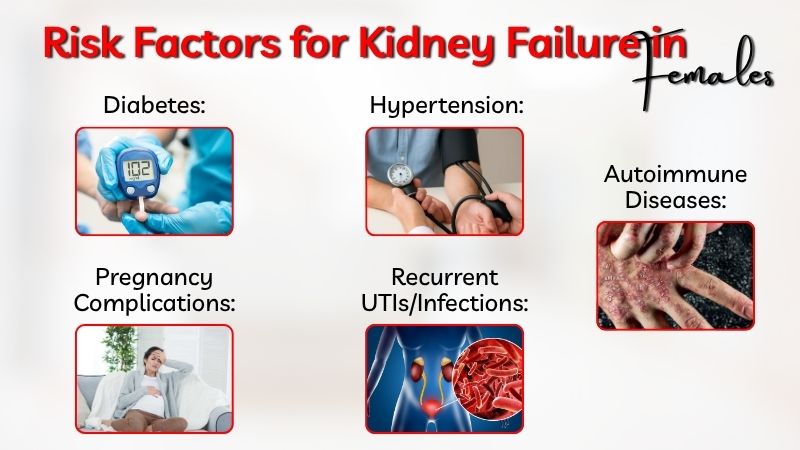
Women can be at a higher risk of developing kidney disease due to certain health conditions and lifestyle habits. Identifying these risk factors early can help in prevention and timely care.
- Pregnancy-related complications: Conditions like high blood pressure during pregnancy can affect kidney health.
- Family history: A history of kidney disease in the family increases the chances of developing similar issues.
- Diabetes and hypertension: Both conditions can damage the kidneys over time and reduce their function.
- Recurrent UTIs: Frequent urinary infections can spread to the kidneys and cause long-term damage.
- Poor hydration: Not drinking enough water can put extra strain on the kidneys.
- Unhealthy beverages: Regular intake of sugary or processed drinks can negatively impact kidney function. It is important to avoid these drinks to keep your kidneys healthy.
Understanding these risks is the first step in learning how to prevent kidney failure and maintain healthy kidneys.
Test for Kidney Disease in Early Stages
Early detection plays a crucial role in preventing serious kidney complications. Several simple tests can help identify kidney problems at an early stage:
- Blood tests: These measure creatinine and urea levels to check how well the kidneys are filtering waste.
- Urine tests: Used to detect protein, infection, or other abnormalities in urine.
- Imaging tests: Ultrasound or scans help identify structural issues like stones, cysts, or swelling.
- Kidney function tests (GFR): This test evaluates how efficiently the kidneys are working.
These tests help detect kidney issues early, allowing timely treatment and reducing the risk of kidney failure.
Why Early Consultation Matters For Kidney Problems
Ignoring kidney-related symptoms or delaying treatment can lead to serious and irreversible damage. Seeking early medical advice helps in identifying the condition at the right time and prevents further complications.
Consulting an expert like Dr. Ankur Prakash, recognized as a Best Homeopathy Doctor in India for Kidney care, can provide a more personalized and holistic approach to treatment. Early consultation can help to:
- Detect the root cause of the problem
- Manage symptoms in a natural and gentle way
- Slow down the progression of kidney disease
- Support and improve overall kidney function
Many patients also consider kidney failure treatment in homeopathy and Homoeopathic Medicines in Kidney Failure Treatment as a safe and supportive option for long-term kidney care.
Diet & Lifestyle Tips for Kidney Health
A proper Diet for kidney patients and a healthy lifestyle are essential for maintaining kidney health and reducing kidney disease symptoms in females.
- Reduce salt and processed foods: Excess salt can increase blood pressure and put extra strain on the kidneys.
- Stay hydrated: Drinking enough water helps the kidneys flush out toxins effectively.
- Limit sugary drinks and alcohol: These can harm kidney function and should be consumed in moderation or avoided.
- Eat fresh fruits and vegetables: A balanced diet supports overall health and kidney function.
- Maintain a healthy weight: Managing weight helps reduce the risk of kidney-related diseases.
Following these habits can help manage kidney health effectively. While not all kidney conditions can be completely cured, early care and the right lifestyle can slow down disease progression and improve quality of life.
Special Conditions to Watch
Certain kidney-related conditions require extra attention as they can lead to serious complications if not managed properly:
- Kidney Cyst Dangerous: Kidney cysts are fluid-filled sacs that can develop in or on the kidneys. While many cysts are harmless, larger or infected cysts can cause pain, high blood pressure, or affect kidney function. In such cases, timely medical evaluation is important to prevent complications.
- Kidney Stones Treatment in Agra: Kidney stones can cause severe pain, difficulty in urination, and even infections if left untreated. Early diagnosis and proper treatment are essential to avoid blockage or damage to the kidneys. Seeking timely care ensures faster relief and prevents recurrence.
- Chronic Kidney Failure: This is a long-term condition where the kidneys gradually lose their ability to function properly. It requires continuous monitoring, lifestyle management, and medical support to slow down progression and maintain quality of life.
Being aware of these conditions and addressing them early can help protect kidney health and prevent serious outcomes.
People Also Ask
What is the first sign of kidney problems?
The first noticeable sign is usually a change in urination. This may include frequent urination, especially at night, dark or cloudy urine, or foamy urine. These changes can indicate that the kidneys are not filtering waste properly.
How to prevent kidney failure?
Drink enough water, eat a balanced diet, reduce salt intake, and avoid processed foods. It is also important to control blood sugar and blood pressure and go for regular health checkups to detect problems early.
What causes kidney problems?
Kidney problems are commonly caused by diabetes and high blood pressure, which slowly damage the kidneys. Other causes include infections, autoimmune diseases, long-term use of certain medicines, and unhealthy lifestyle habits like poor diet and low water intake.
What does kidney pain feel like?
Kidney pain is usually felt in the lower back, sides, or just below the ribs. It can be sharp, dull, or constant and may come in waves. Sometimes, it is mistaken for muscle pain, but kidney pain is often deeper and may be accompanied by symptoms like fever, nausea, or changes in urination.
Conclusion
Understanding Kidney Disease Symptoms in Females plays a key role in protecting long-term health. Many symptoms may appear mild in the beginning, but ignoring them can lead to serious conditions like chronic kidney failure. Being aware of early warning signs, identifying risk factors, and going for timely tests can help in early diagnosis.
Adopting a healthy lifestyle, following a proper diet, and staying hydrated are essential steps in maintaining kidney function. Most importantly, seeking timely guidance from experienced professionals like Dr. Ankur Prakash can help in managing the condition effectively. With the right approach, early care can slow down disease progression and improve overall quality of life.
Disclaimer
This content is provided for informational and educational purposes only and is not intended to replace professional medical advice, diagnosis, or treatment. The information shared here is general in nature and may not be suitable for every individual or specific health condition.
Always consult a qualified healthcare professional or a certified medical practitioner for proper evaluation, diagnosis, and personalized treatment. Do not ignore medical symptoms or delay seeking medical care based on the information provided in this content.