
Homeopathic Cancer Treatment in India (Supportive Care) – Dr. Ankur Prakash
A cancer diagnosis changes life in many ways — physically, emotionally, and mentally. Along with the main cancer treatment, many patients also look for safe supportive care to help manage weakness, pain discomfort, poor appetite, fatigue, stress, and treatment-related side effects.
Dr. Ankur Prakash provides supportive cancer treatment in homeopathy for patients in India. Patients consult him as a trusted Homeopathic Cancer Doctor and homeopathy cancer specialist in India for individualized care designed to improve comfort and overall well-being during cancer treatment.
Homeopathy is provided as supportive and complementary care. It does not replace chemotherapy, radiation, surgery, or oncologist-guided treatment.

Role of Homeopathy Alongside Conventional Cancer Treatment
Homeopathy serves as a supportive therapy in cancer care, used alongside conventional treatments like chemotherapy, radiation, or surgery rather than as a standalone cure. It helps manage side effects such as nausea, fatigue, pain, and emotional distress, improving patient comfort and quality of life during standard protocols. Individualized remedies target symptoms holistically without interfering with primary therapies, focusing on palliation and well-being rather than tumor reduction.
Understanding the Stages
Cancer progresses through four main stages based on tumor size, lymph node involvement, and metastasis. In early stages (0-II), it’s often localized and highly treatable.
Homeopathic treatment aims to manage symptoms, reduce side effects of conventional therapies like chemo, and support overall well-being during cancer care.
The purpose is to support the body and mind through a difficult phase — in a safe, structured, and monitored way.
Tailored Cancer Remedies
Gentle Non-Invasive Care
Effective Symptom Relief
Supportive homeopathy may help patients who are experiencing:
Weakness and low stamina
Persistent tiredness and reduced physical strength affecting daily activities.
Loss of appetite and digestion issues
Reduced hunger, bloating, or discomfort after meals impacting nutrition.
Nausea, acidity, and vomiting
Frequent digestive disturbances causing discomfort and weakness.
Mouth ulcers and oral discomfort
Painful sores or sensitivity in the mouth affecting eating and speaking.
Sleep problems and restlessness
Difficulty falling or staying asleep leading to poor recovery.
Sleep Issues
Difficulty falling or staying asleep caused by itching or discomfort.
Emotional stress, fear, anxiety, and mood changes
Psychological strain that affects overall well-being during treatment.
Fatigue and low energy after chemo cycles
Ongoing exhaustion that may persist even after adequate rest.
Reduced quality of life during long-term treatment
Physical and emotional challenges impacting comfort, confidence, and daily functioning.
Types of Cancer Supported with Homeopathy Treatment
Homeopathy is provided as supportive care alongside conventional cancer treatment such as chemotherapy, radiation, surgery, or immunotherapy. It focuses on improving comfort, immunity support, and quality of life — not replacing oncological treatment.
1. Blood Cancers (Leukemia & Lymphoma)
Supportive care may help manage weakness, recurrent infections, fatigue, and low stamina during ongoing medical treatment.
Common Symptoms
Persistent fatigue and weakness
Frequent infections
Easy bruising or bleeding
Swollen lymph nodes
Fever and night sweats
2. Breast Cancer
Complementary care may assist in managing treatment-related discomfort and emotional stress.
Common Symptoms
Lump or thickening in the breast.
Breast pain or skin changes.
Nipple discharge.
Swelling in the underarm area.
Fatigue during treatment.
3. Lung Cancer
Supportive remedies may help relieve breathlessness, cough, chest discomfort, and improve general energy levels during therapy.
Common Symptoms
Persistent cough.
Shortness of breath.
Chest pain.
Coughing blood.
Unexplained weight loss.
4. Oral & Mouth Cancer
May help manage mouth ulcers, dryness, difficulty swallowing, burning sensation, and reduced appetite caused by radiation or chemotherapy.
Common Symptoms
Non-healing mouth ulcers
White or red patches in the mouth
Difficulty chewing or swallowing
Jaw pain
Burning sensation in the mouth
5. Prostate Cancer
Supportive care may help with urinary discomfort, weakness, and improving overall well-being during long-term treatment.
Common Symptoms
Frequent urination.
Weak urine flow.
Pain or burning while urinating.
Pelvic discomfort.
Lower back pain.
6. Colon & Gastrointestinal Cancers
Homeopathy may assist in managing digestion issues, acidity, nausea, bowel irregularities, and appetite loss during treatment cycles.
Common Symptoms
Persistent abdominal pain.
Changes in bowel habits.
Blood in stool.
Bloating and indigestion.
Appetite loss and nausea.
7. Cervical & Ovarian Cancer
Supportive treatment may help reduce pelvic discomfort, weakness, hormonal imbalance symptoms, and emotional stress.Homeopathy is always practiced under medical guidance with realistic expectations and proper coordination with the patient’s oncology team to ensure safe and responsible complementary care.
Common Symptoms
- Abnormal vaginal bleeding
- Pelvic pain or pressure
- Abdominal bloating
- Pain during intercourse
- Irregular menstrual cycles
Commonly Used Tests in Cancer Diagnosis & Monitoring
Accurate diagnosis and regular monitoring are essential for proper cancer management. The following tests are commonly recommended by oncologists to detect, confirm, and track the progress of cancer:
Blood Tests
Measures the waste product levels in the blood.
Biopsy
A small sample of suspicious tissue is removed and examined under a microscope to confirm the presence and type of cancer cells.
CT Scan (Computed Tomography)
Provides detailed cross-sectional images of internal organs to detect tumors, assess their size, and check for spread.
MRI (Magnetic Resonance Imaging)
Uses magnetic fields to produce detailed images, especially helpful for brain, spinal, pelvic, and soft tissue cancers.
PET Scan (Positron Emission Tomography)
Helps identify active cancer cells and determine whether the disease has spread to other parts of the body.
Ultrasound
A non-invasive imaging test commonly used to evaluate abdominal organs, pelvic structures, and detect masses.
X-Ray
Often used for initial screening, especially in lung-related conditions, to detect abnormal growths.
Endoscopy
A flexible tube with a camera is used to examine internal organs like the stomach, colon, or lungs for abnormal changes.
When Homeopathy Should NOT Be Used Alone?
This is an important medical safety consideration. Cancer is a serious medical condition that requires proper diagnosis, staging, and treatment planning by a qualified oncologist. Homeopathy should only be used as complementary care — not as a substitute for standard cancer treatment.
Homeopathy should not be used alone in the following situations:
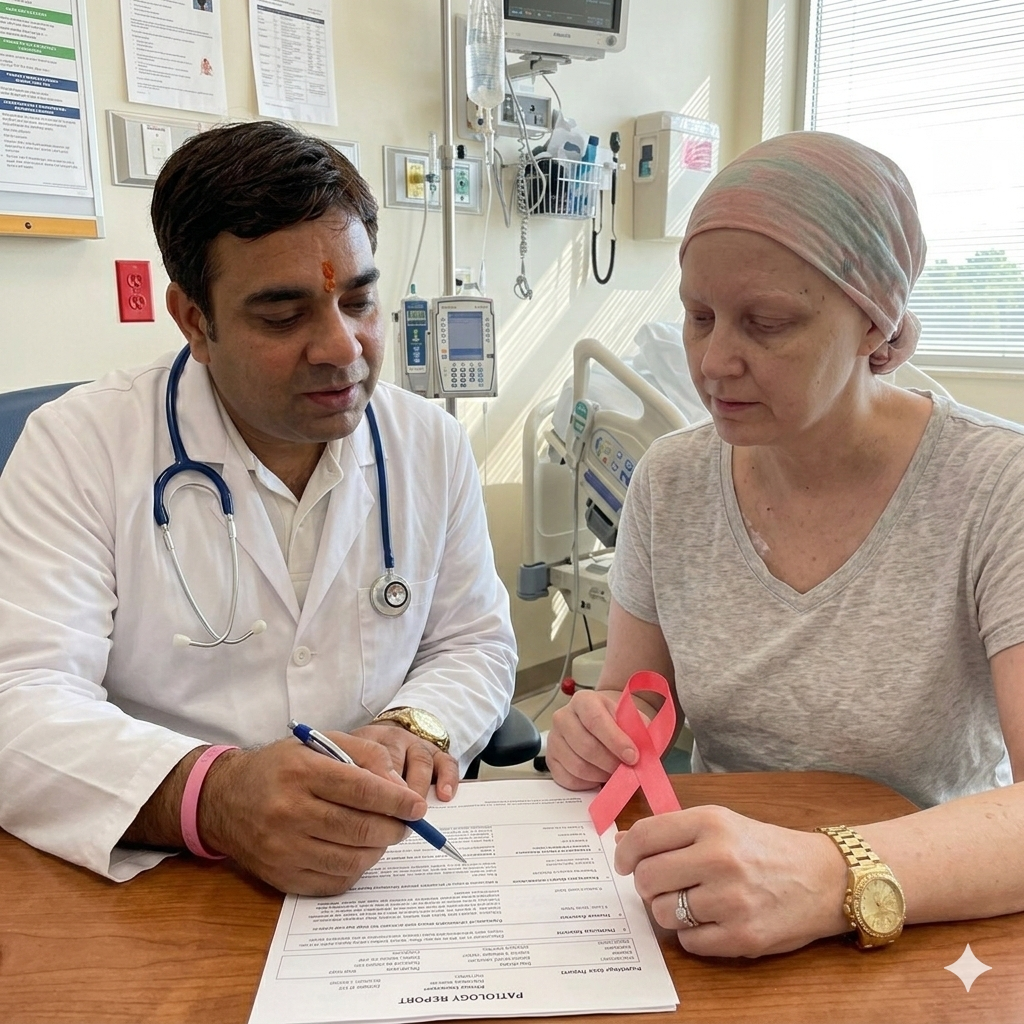
Newly Diagnosed Cancer Cases
When cancer is first detected, immediate oncological evaluation, staging tests, and treatment planning are essential. Delaying medical treatment can affect outcomes.
Advanced or Metastatic Stage Cancers Without Oncology Care
In later stages where cancer has spread, specialized oncology supervision is critical for disease control and symptom management.
Severe or Alarming Symptoms
Conditions such as heavy bleeding, persistent vomiting, severe pain, sudden breathlessness, or rapid weakness require urgent medical attention.
Emergency Medical Situations
Acute complications like obstruction, high fever with infection risk, uncontrolled bleeding, or collapse demand immediate hospital-based care.
When Surgery is Urgently Required
If a tumor needs surgical removal to prevent complications or disease progression, surgery should not be delayed in favor of alternative therapy.
When Chemotherapy, Radiation, or Targeted Therapy is Recommended
These treatments are evidence-based cancer therapies. Refusing or postponing them without medical advice can significantly increase health risks.
Frequently Asked Questions
Common questions about our homeopathic Cancer treatments and recovery paths.
Homeopathy is provided as supportive care in cancer patients. It is not a replacement for chemotherapy, radiation, surgery, or oncologist-guided treatment.
In many cases, yes. Homeopathy can be taken alongside chemotherapy under professional guidance. Cancer treatment should never be stopped.
Yes, in many cases supportive homeopathy is taken during radiation to help manage discomfort and improve overall well-being.
Homeopathy may support blood cancer patients by helping manage weakness, appetite loss, sleep issues, and treatment-related discomfort.
Homeopathy may help support mouth cancer patients by managing mouth ulcers, burning discomfort, appetite issues, and weakness as supportive care.
Book Consultation – Homeopathic Cancer Specialist in Agra India
If you are searching for a trusted Homeopathic Cancer Specialist in Agra or supportive Cancer Treatment in Homeopathy in India, consult Dr. Ankur Prakash for ethical and personalized care.