

Maintaining the right nutrition is one of the most important steps in managing kidney health. In this blog, Dr. Ankur Prakash, an experienced kidney specialist, explains how a healthy diet combined with homeopathic treatment can support better kidney function and overall well-being. Whether you are dealing with kidney stones, chronic kidney failure, or early-stage kidney problems, following a balanced and kidney-friendly diet can make a significant difference.
A healthy diet for kidney patients usually focuses on controlling salt, protein, potassium, and phosphorus intake while ensuring the body gets essential nutrients. Proper hydration, fresh fruits in moderation, low-sodium meals, and carefully planned protein portions are key elements recommended by a kidney specialist. Along with dietary management, homeopathy offers a gentle and natural approach that aims to treat the root cause, reduce symptoms, and improve overall kidney health without harsh side effects.
Understanding Kidney Health and Nutrition
Many people ask, what is diet for kidney patient and why it matters so much. A carefully planned Diet for kidney patients helps reduce the burden on damaged kidneys, controls blood pressure, and prevents toxin buildup. It is especially crucial for those experiencing kidney disease symptoms such as swelling, fatigue, changes in urination, nausea, or loss of appetite.
A balanced eating plan also supports people with different conditions, including types of kidney stones, chronic kidney disease, or those seeking kidney cyst treatment. Consulting a qualified kidney doctor or kidney specialist ensures that diet plans match the stage of disease and individual needs.
Why is a good diet important for a kidney patient?
A proper Diet for kidney patients is essential because damaged organs cannot effectively remove waste, excess fluids, and toxins from the body. The right food choices help reduce workload, maintain electrolyte balance, and control blood pressure—one of the leading causes of complications. Careful nutrition can also slow disease progression, manage symptoms like swelling and fatigue, and improve overall energy levels. Key benefits include:
- Reduces toxin buildup in the blood
- Controls blood pressure and sugar levels
- Maintains fluid and mineral balance
- Prevents swelling and water retention
- Supports energy and strength
- Lowers risk of complications affecting the heart and bones
When guided by a healthcare professional, balanced nutrition becomes a powerful tool to protect remaining function and improve quality of life.
Key Principles of a Healthy Kidney Diet
A structured routine is designed to reduce strain while still providing proper nourishment. Since weakened organs cannot filter waste efficiently, controlling certain nutrients becomes essential for safety and recovery.
Controlled Protein Intake:
Protein is necessary for muscle repair, but excess amounts produce more waste. Limiting quantity while choosing quality sources helps meet body needs safely.
Low Sodium (Salt): Too much salt causes water retention and raises blood pressure. Reducing sodium helps control swelling and protects function.
Potassium and Phosphorus Balance: When filtration is impaired, these minerals can build up and cause serious health issues. Adjusting intake according to medical advice keeps levels safe.
Adequate Fluids: Fluid intake must be balanced. Too little may lead to dehydration, while too much can cause swelling and breathing difficulty.
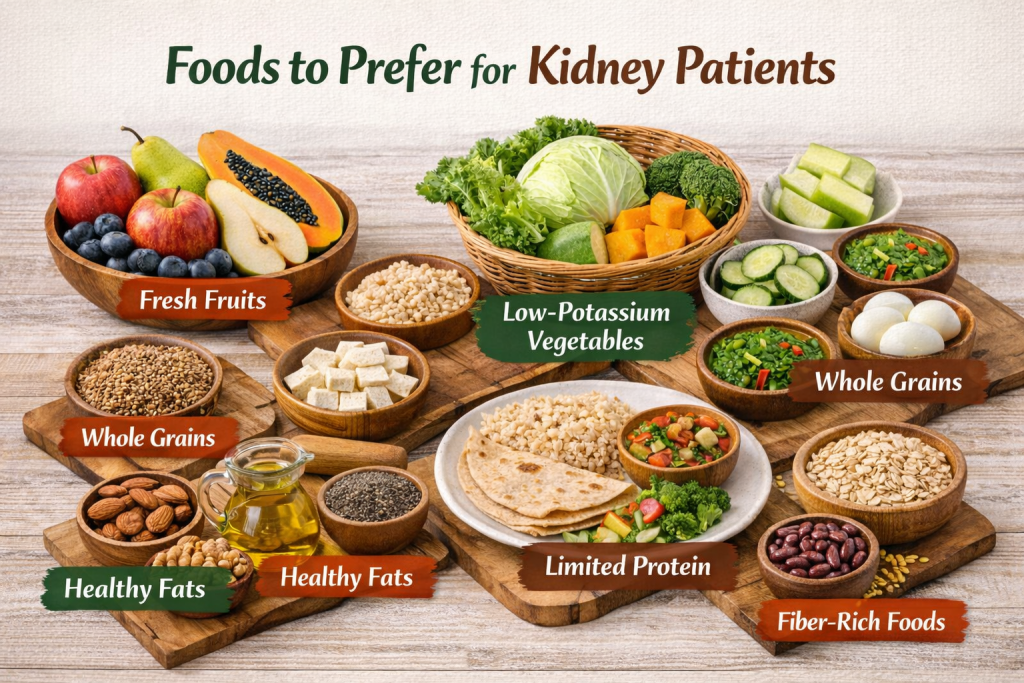
Foods to Prefer
The best foods for supporting kidney function are those that are low in sodium, controlled in protein, and rich in essential nutrients. Choosing the right items is the foundation of an effective Diet for kidney patients, as daily meals directly influence energy levels, toxin buildup, and overall strength. The goal is to include foods that are nourishing, easy to digest, and low in harmful minerals while still meeting the body’s needs.
Fresh fruits
such as apples, papaya, pears, and berries, which supply essential vitamins, antioxidants, and natural hydration.
Low-potassium vegetables
like cabbage, bottle gourd (lauki), ridge gourd (tori), pumpkin, and cucumber that are light and easy to digest.
Whole grains in moderate portions
including rice, oats, or whole wheat, providing steady energy without overloading the system.
Limited high-quality protein sources
Such as small portions of lentils, moderate paneer, or egg whites to support muscle health safely.
Healthy fats
From small amounts of nuts, seeds, and natural oils that benefit heart health.
Fresh homemade meals
With minimal salt and mild spices, avoiding packaged or processed foods high in preservatives.
Fiber-rich foods
To support digestion, stabilize blood sugar, and help the body eliminate waste efficiently.
Foods to Limit or Avoid
Foods to limit or avoid for kidney patients include high-sodium, high-sugar, and heavily processed items that increase toxin buildup and fluid retention. Equally important is understanding which foods can worsen the condition and should be restricted. When kidney function is reduced, the body struggles to remove excess salt, sugar, and waste products efficiently, making careful food choices essential to prevent complications and maintain stability.
Foods and drinks to limit or avoid include:
- High-salt foods such as chips, canned soups, pickles, instant noodles, and fast food, as excess sodium raises blood pressure and causes fluid retention.
- Red meat in excess, which produces more waste during digestion and increases the filtering burden on the kidneys.
- Aerated drinks and processed foods, as they often contain high sodium, phosphorus additives, and preservatives harmful to kidney health.
- Very sugary desserts and sweets, which can worsen blood sugar levels and increase the risk of diabetes-related kidney damage.
- Excess dairy products, because high phosphorus content may accumulate in the blood when kidney function is reduced.
It is also important to be aware of drinks should avoid with kidney problems, including packaged fruit juices, cola, energy drinks, and artificially flavored beverages, as they may contain excess sugar, potassium, or phosphorus.
Role of Homeopathy in Kidney Care
Along with proper nutrition, homeopathy aims to stimulate the body’s natural healing response and restore internal balance. Instead of focusing only on the illness, remedies are chosen individually based on a person’s symptoms, medical history, emotional state, and lifestyle. This personalized method seeks to support organ function, improve metabolism, and enhance overall well-being.
When combined with a proper Diet for kidney patients, homeopathic treatment may help manage common concerns such as weakness, poor appetite, swelling, digestive issues, and discomfort associated with kidney problems. It may also support better sleep, improved energy levels, and a stronger immune response, which are important for long-term recovery.
Homeopathy is considered a gentle, non-invasive option that can be used alongside conventional care under professional supervision. Regular monitoring, healthy lifestyle habits, and guidance from an experienced practitioner help ensure safe and suitable results. With consistent care and proper dietary support, this holistic approach can contribute to better daily functioning and quality of life over time.
Note: Homeopathic care should always be taken under the supervision of a qualified healthcare professional, especially in serious conditions.
Lifestyle Tips for Better Kidney Health
Healthy daily habits play a vital role in protecting organ function and improving overall well-being. Along with proper medical care and balanced nutrition, these steps can help slow the progression of the condition and prevent complications:
- Monitor blood pressure and blood sugar: Keeping these levels stable lowers the risk of further damage and related health issues.
- Maintain a healthy weight: A balanced weight reduces physical strain and supports better metabolic balance.
- Exercise regularly (as advised): Light to moderate activity improves circulation, stamina, and heart health.
- Avoid self-medication: Taking medicines without professional guidance can be harmful and worsen the condition.
- Schedule regular medical checkups: Routine tests help track progress and allow timely adjustments in treatment and diet.
Consistently following these habits can strengthen overall health, enhance quality of life, and support long-term recovery.
Final Thoughts
Kidney-related conditions require consistent medical care, disciplined lifestyle management, and well-informed nutrition choices. A personalized Diet for kidney patients, combined with proper medical supervision and individualized homeopathic support, can help improve daily well-being and slow the progression of the illness.
Patients are strongly advised to consult a qualified healthcare professional before making major changes to their diet or treatment, ensuring that all recommendations are suited to their specific condition, test results, and stage of the disease.
Disclaimer
This article is intended for educational and informational purposes only and should not be considered a substitute for professional medical advice, diagnosis, or treatment. Always consult a qualified healthcare provider before making any changes to your diet, medication, or treatment plan. Individual needs may vary depending on medical condition, test reports, and stage of illness.