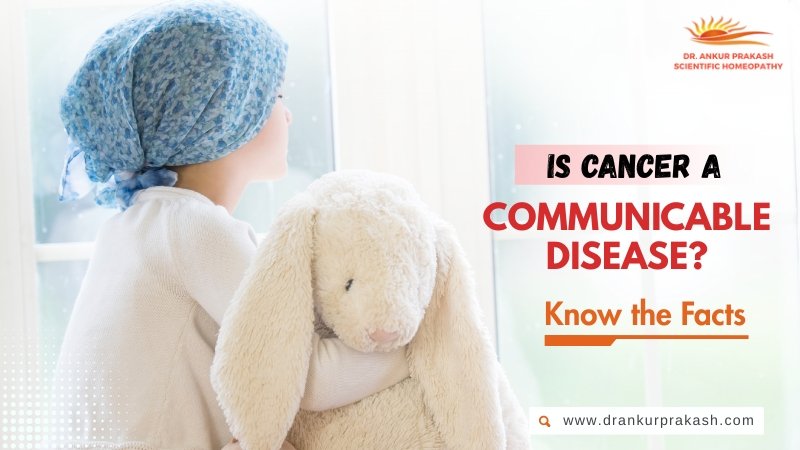
No, cancer is not contagious or a communicable disease. You cannot catch cancer through everyday contact such as touching, hugging, kissing, sharing food, or caring for someone with cancer. Cancer develops due to genetic changes within a person’s own cells rather than bacteria, viruses, or other infectious organisms. Although certain infections, such as Human Papillomavirus (HPV) and Hepatitis B, can increase the risk of some cancers, the infection is contagious—not the cancer itself.
Key Takeaways
- Cancer does not spread through casual contact.
- You cannot get cancer by hugging, kissing, shaking hands, or sharing meals.
- Family members, friends, caregivers, and healthcare professionals are not at risk of catching cancer through normal interactions.
- Certain infections, including HPV, Hepatitis B, Hepatitis C, and Helicobacter pylori, can increase the risk of developing specific cancers, but they do not make cancer contagious.
- Rare medical situations, such as organ transplantation, may involve the transfer of cancer cells, but these are exceptional cases and are not considered contagious.
Understanding the Difference Between Cancer and Communicable Diseases
Many people ask questions like “Is cancer contagious?”, “Is cancer a communicable disease?”, or “Can cancer spread from one person to another?” These concerns often arise because cancer is a serious illness, and people may mistakenly associate it with infectious diseases.
The answer is straightforward: Cancer is not contagious. Unlike communicable diseases, cancer develops from genetic mutations within a person’s own cells and cannot be passed from one person to another through everyday contact.
Understanding this difference is essential for reducing fear, addressing misconceptions, and supporting people living with cancer with empathy rather than stigma.
What Is a Communicable Disease?
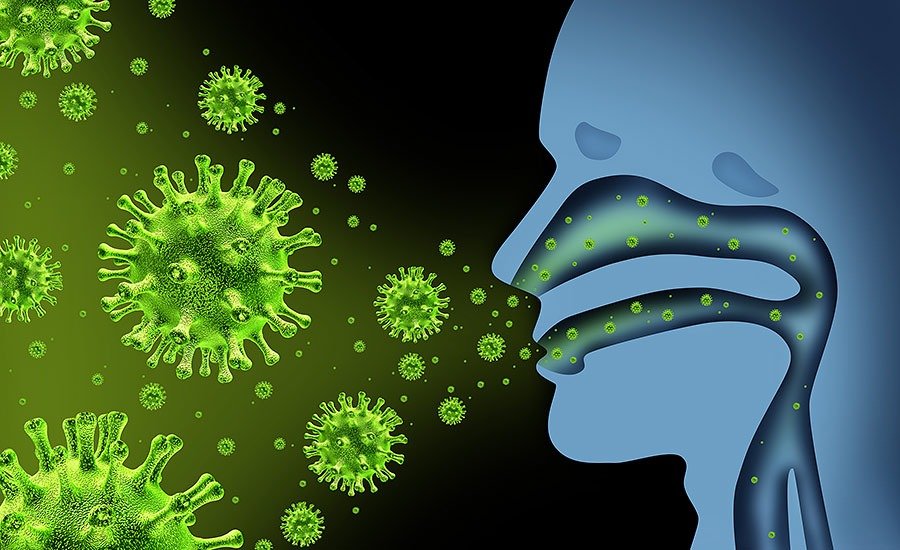
A communicable disease is an illness caused by infectious microorganisms such as bacteria, viruses, fungi, or parasites that can spread from one person to another.
Depending on the infection, transmission may occur through:
- Direct physical contact
- Coughing or sneezing
- Sexual contact
- Blood or certain bodily fluids
- Contaminated food or drinking water
- Insect bites
- Contact with contaminated surfaces
Common examples of communicable diseases include:
- Influenza (Flu)
- COVID-19
- Tuberculosis
- Chickenpox
- Malaria
These illnesses spread because infectious microorganisms move from one host to another and continue multiplying inside the body.
Cancer develops in a completely different way. It results from abnormal changes within the body’s own cells and is not caused by germs that can spread between people.
Is Cancer a Communicable Disease?
No. Cancer is not a communicable disease.
Unlike infections, cancer cannot be transmitted through normal daily activities or close personal contact.
This means there is no risk of developing cancer by spending time with someone who has the disease. Family members, friends, caregivers, healthcare professionals, and co-workers can safely interact with and support cancer patients without fear of transmission.
Misunderstanding this fact can lead to unnecessary stigma and emotional isolation, making accurate awareness an important part of cancer education.
Why Isn't Cancer Contagious?
Cancer develops because of genetic changes within a person’s own cells, not because of bacteria, viruses, or other infectious organisms.
Healthy cells normally grow, divide, and die in a controlled manner. When mutations occur in their DNA, this process can become disrupted, allowing damaged cells to continue multiplying uncontrollably. Over time, these abnormal cells may form a tumour or spread to nearby tissues.
Unlike viruses or bacteria, cancer cells cannot survive independently outside the body or infect another person through everyday contact. Even if cancer cells were accidentally introduced into another person’s body, the immune system would usually recognize them as foreign and destroy them before they could grow.
This is why cancer cannot spread the way communicable diseases do.
How Does Cancer Develop?
Cancer develops gradually as genetic mutations accumulate within cells over time. These mutations interfere with the normal processes that control cell growth, repair, and death, allowing abnormal cells to multiply uncontrollably.
Several factors can increase the risk of developing cancer:
Lifestyle Factors
Certain lifestyle habits are associated with a higher risk of cancer, including:
- Tobacco use
- Excessive alcohol consumption
- Poor dietary habits
- Obesity
- Physical inactivity
While these factors increase cancer risk, they do not make cancer contagious.
Environmental Factors
Long-term exposure to environmental hazards may also contribute to cancer development, including:
- Air pollution
- Ultraviolet (UV) radiation
- Asbestos
- Benzene
- Industrial chemicals
- Pesticides
- Ionising radiation
These exposures can damage cells over time but cannot transmit cancer from one person to another.
Genetic Factors
Approximately 5–10% of cancers are linked to inherited genetic mutations, such as BRCA1 and BRCA2. Having a family history of cancer may increase an individual’s risk, but it does not mean cancer is infectious or communicable.
Age and Chronic Inflammation
The risk of developing cancer generally increases with age because genetic damage accumulates over time. Chronic inflammation and certain hormonal or medical conditions may also contribute to abnormal cell growth.
Together, these factors influence a person’s likelihood of developing cancer, but none of them make the disease contagious.
Can Cancer Spread from One Person to Another?
No. Cancer cannot spread from one person to another through normal daily contact. Whether you are a family member, caregiver, friend, or healthcare professional, there is no risk of “catching” cancer by being around someone with the disease.
However, this question often creates confusion because some infections that increase cancer risk can spread between people, and there are a few extremely rare medical situations in which cancer cells have been transferred under specific clinical circumstances. These uncommon exceptions do not mean cancer is contagious but are worth understanding to separate medical facts from common myths.
Can Cancer Spread Through Blood, Saliva, Kissing, or Sexual Contact?
A common concern is whether cancer can spread through blood, saliva, kissing, or sexual contact. The answer is no.
Cancer does not spread through body fluids or everyday physical contact because it is not caused by infectious microorganisms. Whether you hug, kiss, share meals, donate care, or live with someone who has cancer, there is no risk of catching the disease.
However, some infections that increase the risk of certain cancers—such as Human Papillomavirus (HPV) and Hepatitis B or C—can be transmitted through sexual contact or blood exposure. In these cases, the infection is contagious, but the cancer itself is not.
Understanding this distinction helps prevent unnecessary fear while encouraging appropriate preventive measures, such as vaccination and regular health screenings.
Are There Any Rare Situations Where Cancer Cells Can Be Transferred?
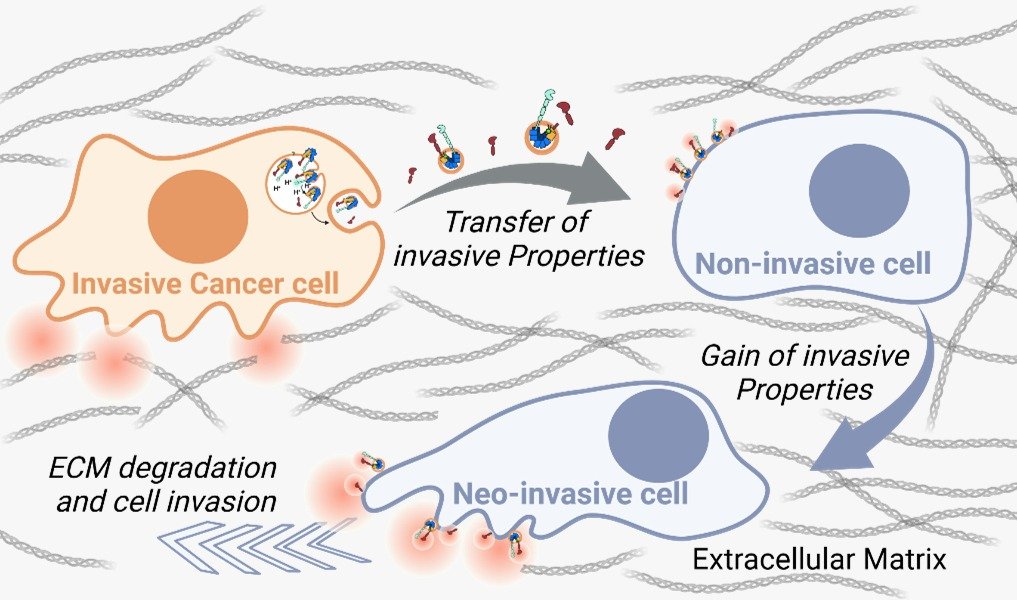
Although cancer is not contagious, there are a few extremely rare medical situations where cancer cells have been transferred from one person to another. These circumstances are exceptional and should not be confused with communicable diseases.
Organ or Tissue Transplantation
In rare cases, an organ donor may have an undetected cancer at the time of donation. Because transplant recipients take immunosuppressive medications to prevent organ rejection, hidden cancer cells may occasionally grow after transplantation.
Modern donor screening procedures make this extremely uncommon.
Mother-to-Baby Transmission During Pregnancy
Cancer passing from a pregnant woman to her unborn baby is exceptionally rare. Only a small number of cases have been documented worldwide, and most women diagnosed with cancer during pregnancy deliver healthy babies with appropriate medical care.
Accidental Laboratory Exposure
Very rarely, cancer cells have been transferred through accidental needle-stick injuries or laboratory incidents involving researchers or healthcare workers. Even in these unusual situations, the body’s immune system usually destroys the transferred cells before they can survive.
These examples are medical exceptions and should not be interpreted as evidence that cancer is contagious.
Can Viruses or Bacteria Increase Cancer Risk?
Although cancer itself is not infectious, certain viruses and bacteria can increase the risk of developing specific cancers. These microorganisms may cause long-term infection, chronic inflammation, or changes in healthy cells that contribute to cancer over time.
The important point to remember is that the infection is contagious—not the cancer.
| Infection | Cancers Commonly Associated |
| Human Papillomavirus (HPV) | Cervical, anal, penile, vulvar, vaginal, and some throat cancers |
| Hepatitis B Virus (HBV) | Liver cancer |
| Hepatitis C Virus (HCV) | Liver cancer |
| Helicobacter pylori | Stomach cancer |
| Epstein-Barr Virus (EBV) | Nasopharyngeal cancer and certain lymphomas |
| Human T-cell Leukemia Virus Type 1 (HTLV-1) | Adult T-cell leukemia/lymphoma |
Preventing or treating these infections can help reduce the risk of certain cancers. Vaccination against HPV and Hepatitis B, practicing safe sex, maintaining good hygiene, and seeking timely medical treatment for chronic infections are all important preventive measures.
Why Do Some People Think Cancer Is Contagious?
People often believe cancer is contagious because of misinformation, confusion about cancer-related infections, and limited awareness of how cancer develops. In reality, cancer cannot spread from person to person through everyday contact. Understanding the reasons behind these misconceptions can help reduce stigma and encourage better support for people living with cancer.
Confusion Between Cancer and Infections
Many people hear that infections such as Human Papillomavirus (HPV) or Hepatitis B and C can increase the risk of certain cancers. This sometimes leads to the mistaken belief that cancer itself is contagious. However, it is the infection that can spread—not the cancer.
Limited Health Awareness
A lack of access to reliable health information allows myths and misconceptions about cancer to persist. Misinformation shared through word of mouth or online sources can reinforce the false idea that cancer spreads through everyday contact.
Fear of a Serious Disease
Cancer is often associated with intensive treatment and life-threatening complications. This fear can cause some people to avoid or distance themselves from cancer patients, even though there is no risk of transmission through normal social interactions.
Cultural Beliefs and Social Stigma
In some communities, cultural beliefs and long-standing myths continue to influence perceptions about cancer. These misconceptions can lead to discrimination, emotional isolation, and reluctance to seek timely medical care or openly discuss the disease.
Why Raising Awareness Matters
Improving public awareness through accurate, evidence-based information helps dispel myths about cancer. It also encourages empathy, reduces social stigma, and ensures that people affected by cancer receive the understanding, support, and care they deserve.
Common Myths and Facts About Cancer
Myth | Fact |
Cancer is contagious. | False. Cancer cannot spread through everyday contact. |
You can catch cancer by touching or caring for someone with cancer. | False. Family members, caregivers, and healthcare professionals are not at risk through normal contact. |
Every cancer is hereditary. | False. Only about 5–10% of cancers are linked to inherited genetic mutations. |
Surgery or biopsy causes cancer to spread. | False. These procedures are safe, evidence-based, and essential for accurate diagnosis and treatment. |
Every tumour is cancerous. | False. Many tumours are benign and do not spread to other parts of the body. |
How Can You Reduce Your Risk of Cancer?
While cancer cannot always be prevented, adopting healthy lifestyle habits and attending regular health screenings can significantly reduce the risk of many types of cancer. Avoiding known risk factors, staying physically active, getting recommended vaccinations, and detecting cancer early are some of the most effective ways to protect your long-term health.
Avoid Tobacco
Smoking and other forms of tobacco use are among the leading preventable causes of cancer. Quitting tobacco at any stage can lower your risk of several cancers and improve your overall health.
Eat a Healthy Diet and Stay Physically Active
A balanced diet rich in fruits, vegetables, whole grains, and lean proteins, combined with regular physical activity, helps maintain a healthy weight and may reduce the risk of several types of cancer.
Limit Alcohol Consumption
Excessive alcohol consumption has been linked to an increased risk of cancers affecting the liver, breast, mouth, throat, and colon. Limiting alcohol intake can help lower this risk.
Protect Your Skin from UV Radiation
Exposure to ultraviolet (UV) radiation from the sun can increase the risk of skin cancer. Protect your skin by using sunscreen, wearing protective clothing, seeking shade during peak sunlight hours, and avoiding indoor tanning.
Get Recommended Vaccinations
Certain vaccines can help prevent infections that are associated with an increased risk of cancer. These include:
Human Papillomavirus (HPV) vaccine: Helps protect against HPV-related cancers, including cervical and some throat cancers.
Hepatitis B vaccine: Reduces the risk of chronic hepatitis B infection, a major risk factor for liver cancer.
Attend Regular Cancer Screenings
Routine screening can detect certain cancers at an early stage, when treatment is often more effective. Depending on your age, family history, and individual risk factors, your healthcare provider may recommend screenings for cancers such as breast, cervical, colorectal, prostate, or lung cancer.
Know Your Family History
Understanding your family’s medical history can help identify inherited cancer risks. If close relatives have been diagnosed with cancer, discuss this with your healthcare provider, who may recommend earlier screening or genetic counselling based on your individual risk.
Can Homeopathy Support Cancer Patients?
Homeopathy cannot cure cancer and should never replace evidence-based treatments such as surgery, chemotherapy, radiation therapy, targeted therapy, or immunotherapy.
Some patients choose homeopathy as a complementary therapy alongside conventional cancer treatment to help manage treatment-related symptoms and improve their overall well-being. Depending on the individual’s needs, supportive care may focus on concerns such as:
- Fatigue
- Nausea and vomiting
- Mouth ulcers
- Sleep disturbances
- Anxiety and emotional stress
- Loss of appetite
- General weakness during recovery
Because every patient is different, any complementary therapy should be discussed with both an oncologist and a qualified homeopathic physician. Homeopathy should be used only as supportive care and must never delay or replace standard cancer treatment, which remains the cornerstone of effective cancer management.
When Should You See a Doctor?
Although cancer is not contagious, early detection is one of the most important factors in successful treatment. Consult a healthcare professional if you notice any persistent or unusual symptoms, such as:
- A lump or swelling that does not go away
- Unexplained weight loss
- Persistent fatigue
- Blood in the stool, urine, or sputum
- A sore that does not heal
- Changes in the size, shape, or colour of a mole
- Persistent cough, hoarseness, or difficulty swallowing
- Unusual bleeding or discharge
These symptoms do not always indicate cancer, but they should be evaluated by a qualified healthcare professional. Early diagnosis can improve treatment options and outcomes.
Frequently Asked Questions (FAQs)
Is cancer contagious?
No. Cancer is not contagious and cannot spread through touching, hugging, kissing, sharing food, or other forms of everyday contact.
Is cancer a communicable disease?
No. Cancer is not a communicable disease. It develops from genetic changes within the body’s own cells rather than bacteria, viruses, or other infectious organisms, so it cannot spread from person to person through everyday contact.
Can I catch cancer from a family member?
No. Living with or caring for someone who has cancer does not increase your risk. Family members, caregivers, and friends can safely provide emotional and physical support.
Can cancer spread through kissing or saliva?
No. Cancer cannot be transmitted through saliva, kissing, or sharing food and drinks.
Can cancer spread through sexual contact?
No. Cancer itself is not sexually transmitted. However, certain infections such as HPV can spread through sexual contact and may increase the risk of developing some cancers.
Can blood transfusions spread cancer?
No. Cancer is not transmitted through blood transfusions. Strict donor screening and blood safety measures further reduce any potential risks.
Are all cancers hereditary?
No. Most cancers are not inherited. Only about 5–10% are linked to inherited genetic mutations, while the majority result from a combination of lifestyle, environmental, and age-related factors.
Can organ transplants transmit cancer?
In extremely rare cases, cancer cells may be transferred through an organ transplant if a donor has an undetected cancer. Extensive donor screening makes this exceptionally uncommon.
Can infections increase the risk of cancer?
Yes. Certain infections, including HPV, Hepatitis B, Hepatitis C, and Helicobacter pylori, can increase the risk of specific cancers. Preventing and treating these infections can help reduce that risk.
Medical Disclaimer
This article is intended for educational purposes only and should not be considered a substitute for professional medical advice, diagnosis, or treatment. Always consult a qualified healthcare professional or oncologist regarding any symptoms, medical concerns, or treatment decisions. Never delay or discontinue evidence-based medical treatment based on information found online.
References
The information in this article is based on guidance from trusted medical and public health organizations, including:
- World Health Organization (WHO) – Cancer Fact Sheet
- National Cancer Institute (NCI) – Cancer Causes and Prevention
- American Cancer Society – Can You Catch Cancer From Someone Else?
- Centers for Disease Control and Prevention (CDC) – Cancers Linked with Infections
About the Author
Dr. Ankur Prakash is an experienced homeopathic physician committed to providing individualized, patient-centred care. He believes in combining holistic principles with evidence-informed practice to support patients living with chronic and complex health conditions. As part of an integrative approach, he offers homeopathic care to help improve overall well-being and quality of life alongside conventional medical treatment, where appropriate.